THE ADVENTURE COLLECTIVE® · Independent discovery and booking for outdoor travel

Spend a half-day in Kandy learning batik from a local artisan: draw, wax, dye and boil your own fabric, then share a local lunch. This private workshop mixes hands-on skill-building with cultural insight—perfect for families and curious travelers.
Spend a half-day in Kandy learning batik from a local artisan: draw, wax, dye and boil your own fabric, then share a local lunch. This private workshop mixes hands-on skill-building with cultural insight—perfect for families and curious travelers.
You arrive in a bright studio just outside Kandy, sunlight cutting across bolts of white cotton while the air carries a faint scent of boiling dye and boiled spices from lunch nearby. Clay pots bubble with colors, a skilled artist moves her tjanting tool with deliberate patience, and the rhythm of tapping wax fills the room like a quiet percussion.
Verified experiences and guided adventures in the surrounding area.
Operated by Lakpura LLC · Kandy, Central Province
You arrive in a bright studio just outside Kandy, sunlight cutting across bolts of white cotton while the air carries a faint scent of boiling dye and boiled spices from lunch nearby. Clay pots bubble with colors, a skilled artist moves her tjanting tool with deliberate patience, and the rhythm of tapping wax fills the room like a quiet percussion.
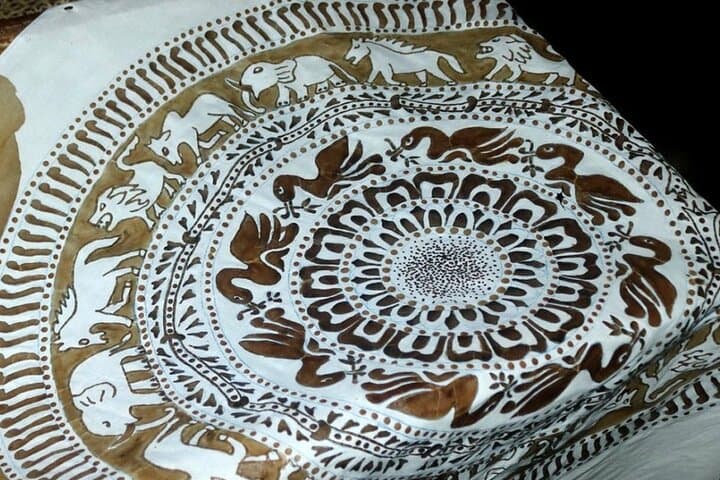
Batik arrived in Sri Lanka via South and Southeast Asian trade and was adapted by local artisans in the 20th century; Kandy, long a cultural center of the Kandyan Kingdom, is a natural place to learn the craft. The process itself is simple chemistry and careful control: drawing, hot wax application, layered dyeing and finally boiling out the wax to reveal pattern. Fabrics in the region echo botanical motifs and temple motifs; the nearby hill country and tea slopes are often reflected in local designs.
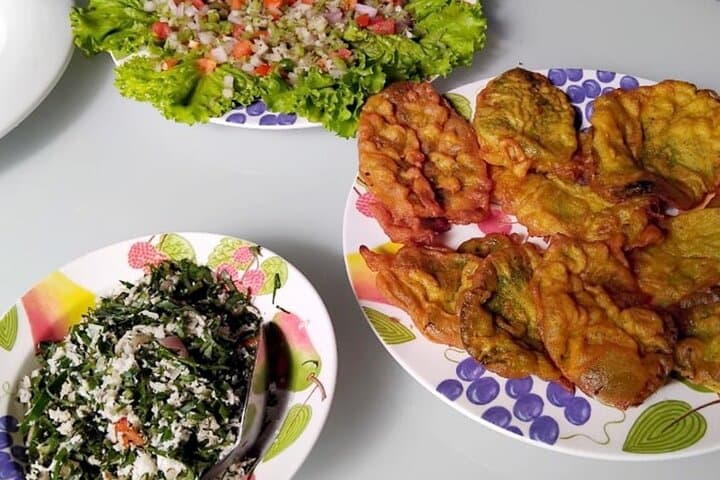
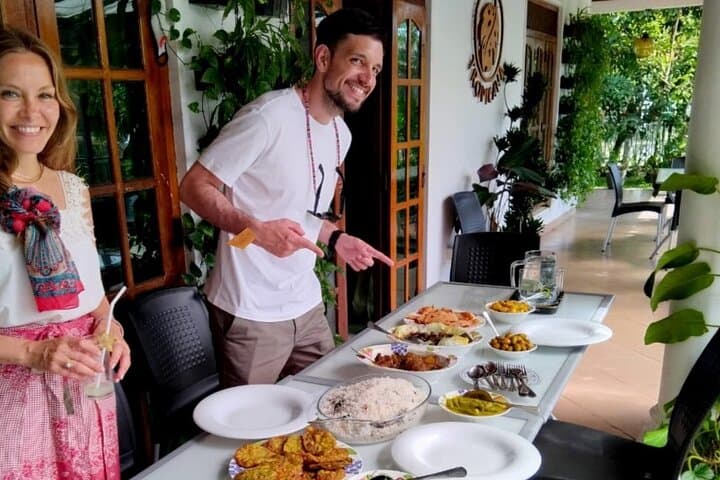
Practically, the workshop is a half-day, hands-on session that pairs technique with context — an artist demonstrates traditional tools and modern shortcuts, and you take home your finished piece. Expect a steady, seated pace rather than strenuous activity; children can participate with supervision. Lunch is included, offering a chance to ask about color sources and how Sri Lankan motifs differ from Indonesian batik.
Plan to wear clothes you don’t mind staining, bring a camera for detail shots, and leave time afterward to stroll Kandy’s lakefront or visit the Royal Botanical Gardens in Peradeniya. The experience is equal parts creative training and cultural exchange — tactile, deliberate, and rooted in local craft traditions.
easy.
5–6 hours.
Minimal physical exertion; suitable for most fitness levels, including families and older travelers
Yes — you take home the finished batik piece once the wax is removed and the fabric has been rinsed and dried.
Yes, the experience is family-friendly; infants must sit on laps and children should be supervised around hot wax.
All necessary materials and tools are included, and lunch is provided as part of the workshop.
No — the artist guides every step, making the workshop accessible to beginners and those with some textile experience.
Batik techniques reached Sri Lanka through regional trade and were adapted locally in the 20th century; Kandy’s role as a cultural capital helped sustain craft workshops.
Many studios are mindful of dye runoff and waste; ask if the artist uses natural dyes or recycles water to reduce environmental impact and support sustainable practice.
Lakpura LLC operates guided outdoor trips and adventures with an emphasis on safety, stewardship, and memorable experiences.
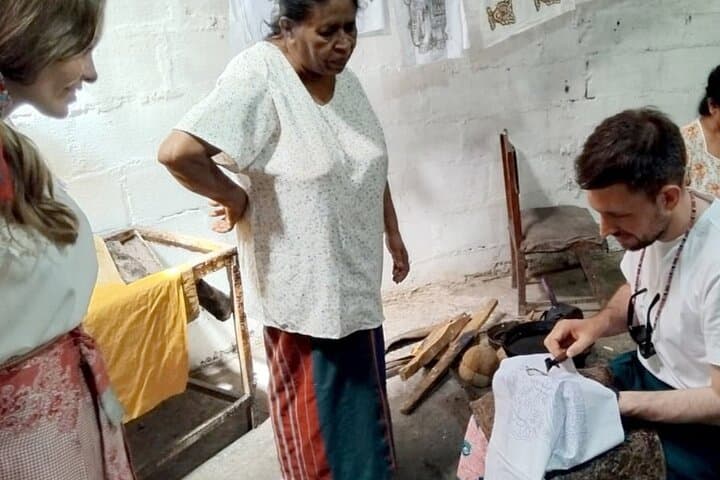
You arrive in a bright studio just outside Kandy, sunlight cutting across bolts of white cotton while the air carries a faint scent of boiling dye and boiled spices from lunch nearby. Clay pots bubble with colors, a skilled artist moves her tjanting tool with deliberate patience, and the rhythm of tapping wax fills the room like a quiet percussion.
You arrive in a bright studio just outside Kandy, sunlight cutting across bolts of white cotton while the air carries a faint scent of boiling dye and boiled spices from lunch nearby. Clay pots bubble with colors, a skilled artist moves her tjanting tool with deliberate patience, and the rhythm of tapping wax fills the room like a quiet percussion.
Batik arrived in Sri Lanka via South and Southeast Asian trade and was adapted by local artisans in the 20th century; Kandy, long a cultural center of the Kandyan Kingdom, is a natural place to learn the craft. The process itself is simple chemistry and careful control: drawing, hot wax application, layered dyeing and finally boiling out the wax to reveal pattern. Fabrics in the region echo botanical motifs and temple motifs; the nearby hill country and tea slopes are often reflected in local designs.
Practically, the workshop is a half-day, hands-on session that pairs technique with context — an artist demonstrates traditional tools and modern shortcuts, and you take home your finished piece. Expect a steady, seated pace rather than strenuous activity; children can participate with supervision. Lunch is included, offering a chance to ask about color sources and how Sri Lankan motifs differ from Indonesian batik.
Plan to wear clothes you don’t mind staining, bring a camera for detail shots, and leave time afterward to stroll Kandy’s lakefront or visit the Royal Botanical Gardens in Peradeniya. The experience is equal parts creative training and cultural exchange — tactile, deliberate, and rooted in local craft traditions.