THE ADVENTURE COLLECTIVE® · Independent discovery and booking for outdoor travel

Explore three UNESCO-listed Baroque towns in one full day from Syracuse with a private driver. Walk cobbled streets, sample Modica chocolate, and see Noto’s golden stone and Ragusa Ibla’s cliffside cathedral.
Explore three UNESCO-listed Baroque towns in one full day from Syracuse with a private driver. Walk cobbled streets, sample Modica chocolate, and see Noto’s golden stone and Ragusa Ibla’s cliffside cathedral.
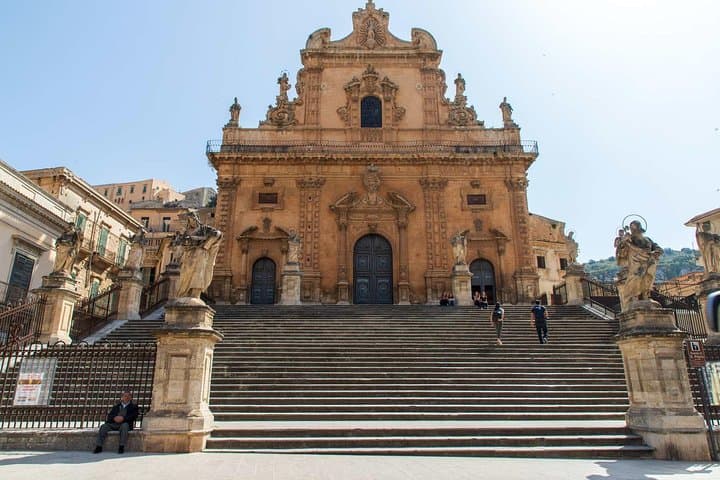
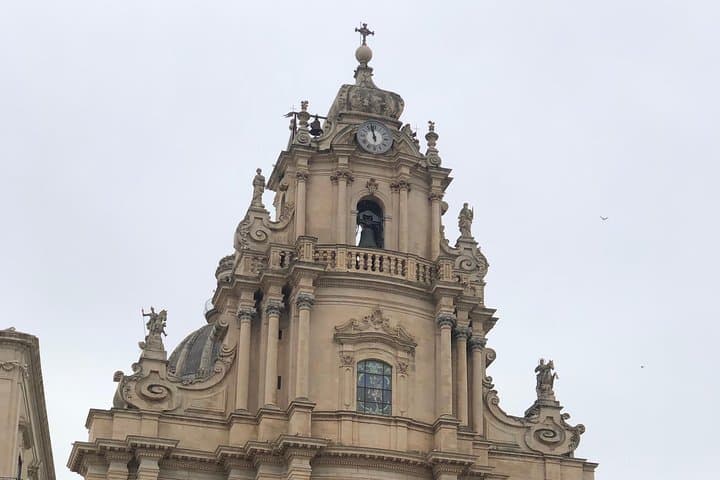
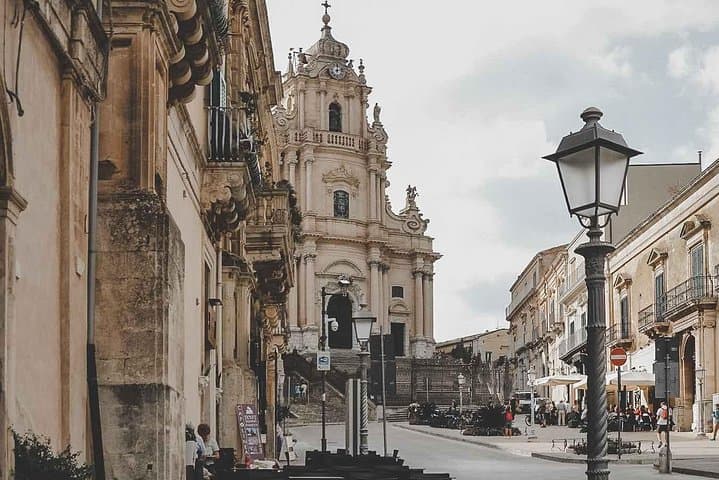
You step out of Ortigia into a cool Mercedes, the driver already mapped to weave you through limestone ridges and sun-baked towns whose façades blush between gold and rose. The road unspools toward Ragusa Ibla first, where stairways plunge through seventeenth- and eighteenth-century streets and the Duomo of San Giorgio dominates a skyline of carved stone.
Verified experiences and guided adventures in the surrounding area.
Operated by Empeeria · Syracuse, Sicily
You step out of Ortigia into a cool Mercedes, the driver already mapped to weave you through limestone ridges and sun-baked towns whose façades blush between gold and rose. The road unspools toward Ragusa Ibla first, where stairways plunge through seventeenth- and eighteenth-century streets and the Duomo of San Giorgio dominates a skyline of carved stone.
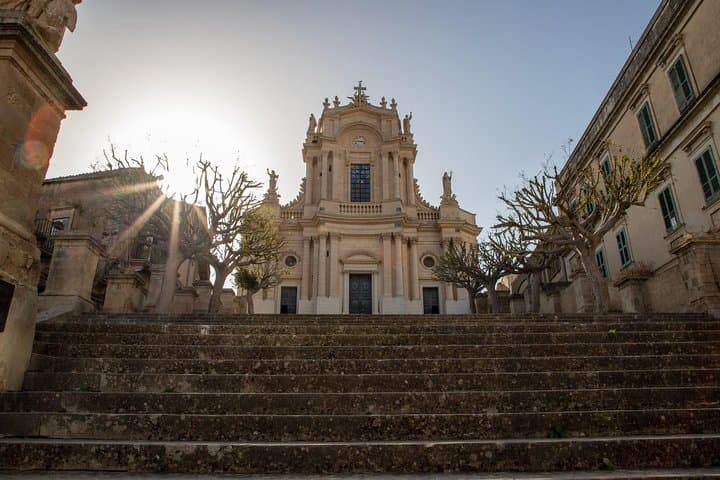
This region—rebuilt after the catastrophic 1693 earthquake—became the cradle of Barocco del Val di Noto. Modica follows with its narrow alleys and baroque churches; it’s also where chocolate is still made by an old Aztec-inspired technique, a culinary echo of Sicily’s global crossroads. The final stretch leads you to Noto: a continuous sweep of honey‑colored calcarenite, the Cathedral of San Nicolò and Palazzo Ducezio framing a principal street that culminates at Porta Reale and the famous Via Nicolaci, celebrated each May for the Infiorata flower carpets.
Expect about eight hours of a private, air‑conditioned transfer punctuated by walking tours—roughly two hours in Ragusa, three in Modica and two in Noto—plus optional lunch time. Cobblestones, short stairways and viewpoints (Pizzo in Modica gives wide views) make sensible footwear and a sun hat practical. Bring small bills for local shops and allow flexibility in the schedule to linger on a terrace or step into a friary chapel. The experience balances architectural marvels, local flavors, and the patience required to move thoughtfully through historic streets.
moderate.
Approximately 8 hours (full day).
Light to moderate fitness; able to walk 1–4 miles total with stairs and uneven surfaces
The full-day private tour is about 8 hours and visits Ragusa Ibla, Modica and Noto with guided stops in each town.
Yes—short walking tours and stairs are part of each stop; the tour notes stroller accessibility but some streets have cobbles and steps.
Lunch is optional; the itinerary allows time in Modica to sample local cuisine and chocolate but cafés are paid separately.
An Italian and English-speaking driver escort is provided and pickup/drop-off at accommodations in Syracuse is included (Ortigia drop-off in Piazza Pancali).
The towns were largely rebuilt after the 1693 earthquake in a uniform Baroque style; that reconstruction is why Val di Noto is a UNESCO World Heritage site.
These towns face wear from foot traffic and seasonal events; stick to marked paths, support local shops and avoid touching delicate stonework to help preserve the architecture.
Empeeria operates guided outdoor trips and adventures with an emphasis on safety, stewardship, and memorable experiences.
You step out of Ortigia into a cool Mercedes, the driver already mapped to weave you through limestone ridges and sun-baked towns whose façades blush between gold and rose. The road unspools toward Ragusa Ibla first, where stairways plunge through seventeenth- and eighteenth-century streets and the Duomo of San Giorgio dominates a skyline of carved stone.
You step out of Ortigia into a cool Mercedes, the driver already mapped to weave you through limestone ridges and sun-baked towns whose façades blush between gold and rose. The road unspools toward Ragusa Ibla first, where stairways plunge through seventeenth- and eighteenth-century streets and the Duomo of San Giorgio dominates a skyline of carved stone.
This region—rebuilt after the catastrophic 1693 earthquake—became the cradle of Barocco del Val di Noto. Modica follows with its narrow alleys and baroque churches; it’s also where chocolate is still made by an old Aztec-inspired technique, a culinary echo of Sicily’s global crossroads. The final stretch leads you to Noto: a continuous sweep of honey‑colored calcarenite, the Cathedral of San Nicolò and Palazzo Ducezio framing a principal street that culminates at Porta Reale and the famous Via Nicolaci, celebrated each May for the Infiorata flower carpets.
Expect about eight hours of a private, air‑conditioned transfer punctuated by walking tours—roughly two hours in Ragusa, three in Modica and two in Noto—plus optional lunch time. Cobblestones, short stairways and viewpoints (Pizzo in Modica gives wide views) make sensible footwear and a sun hat practical. Bring small bills for local shops and allow flexibility in the schedule to linger on a terrace or step into a friary chapel. The experience balances architectural marvels, local flavors, and the patience required to move thoughtfully through historic streets.