THE ADVENTURE COLLECTIVE® · Independent discovery and booking for outdoor travel

Ten days of Dhaka’s crowded streets, Mughal and Buddhist monuments, floating markets and a Sundarbans boat safari. This private itinerary combines cultural heritage with wildlife-focused river travel—best run November–February.
Ten days of Dhaka’s crowded streets, Mughal and Buddhist monuments, floating markets and a Sundarbans boat safari. This private itinerary combines cultural heritage with wildlife-focused river travel—best run November–February.
Morning light slants across the Buriganga as a private car threads Dhaka’s crowded lanes, horns and vendors punctuating the city’s pulse. You move from the cluttered energy of Old Dhaka to the hush of 16th‑century temple courtyards, then out onto wide rivers where a steel-hulled Sundarbans launch rocks gently and the mangrove mouth breathes salt into the air.
Verified experiences and guided adventures in the surrounding area.
Operated by Travel China Guide · Dhaka, Dhaka Division
Morning light slants across the Buriganga as a private car threads Dhaka’s crowded lanes, horns and vendors punctuating the city’s pulse. You move from the cluttered energy of Old Dhaka to the hush of 16th‑century temple courtyards, then out onto wide rivers where a steel-hulled Sundarbans launch rocks gently and the mangrove mouth breathes salt into the air.
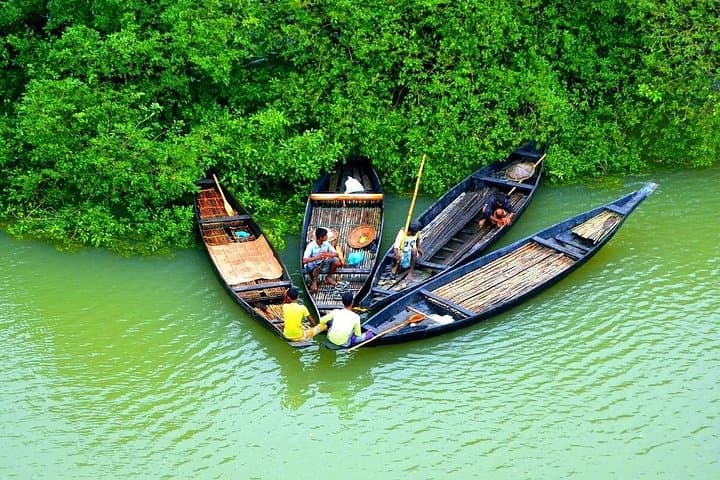
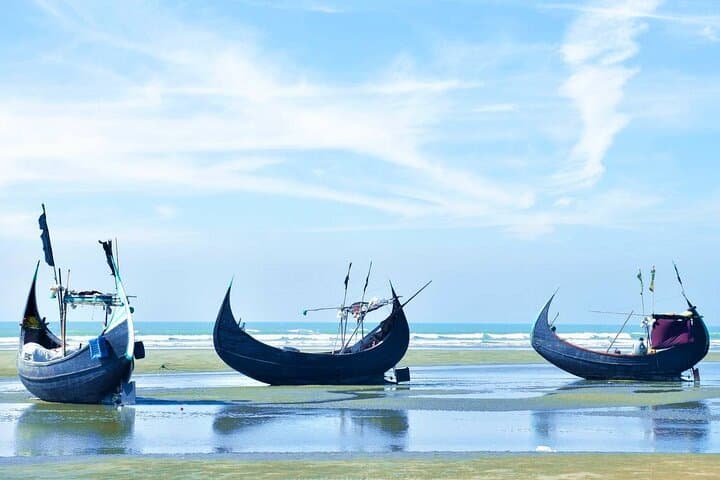
This 10‑day route stitches together Bangladesh’s layered past: urban colonial and Mughal sites in Dhaka, the brick-carved Buddhist monastery of Paharpur, and the UNESCO‑listed Sixty Dome Mosque at Bagerhat. Geologically the itinerary follows the Bengal delta—silted floodplains shaped by the Ganges‑Padma and Jamuna—so expect flat terrain, vast river channels, and tidal creeks that change the coastline on a seasonal rhythm. Local life centers on water: floating markets in Barisal, fishing villages near Mongla, and boats as doorways to daily commerce.
Practical edge: the Sundarbans segment requires official forest permits and an armed forest guard—spotting Royal Bengal tiger is possible but rare; look instead for monitor lizards, crocodiles, and birds along the creeks. Travel is mostly low‑impact walking and boat rides with early departures and long transit days by car or train. Pack light layers, bring insect repellent and a waterproof daypack, and schedule this trip November–February for the coolest, driest conditions. Hydrate on the move, keep photocopies of passports for permits, and leave extra time for Dhaka traffic—this is a cultural immersion with wildlife chapters, best taken patiently and with curiosity.
easy.
10 days.
Suitable for travelers in average physical condition—requires boarding small boats, short walks on flat or sandy terrain, and coping with long travel days.
Yes—entry requires forest permits and an armed guard provided through the tour operator; these are handled as part of the itinerary.
Tiger sightings are rare; the Sundarbans is best for birding, estuarine wildlife and the landscape itself rather than guaranteed big-cat views.
Most days involve short, easy walks around sites and villages; some creek hikes are 30–60 minutes on flat or muddy trails.
Routine travel vaccinations are advised; consult a travel clinic for typhoid, hepatitis A, and malaria advice relevant to rural river areas.
The itinerary traces Bangladesh’s layered history: Buddhist monastic complexes from the 7th–8th centuries, Mughal-era temples and later colonial urban development in Dhaka.
Sundarbans is a fragile UNESCO site under pressure from rising sea levels, shrimp farming, and boat traffic—travelers should follow local guidance to minimize disturbance and litter.
Travel China Guide operates guided outdoor trips and adventures with an emphasis on safety, stewardship, and memorable experiences.
Morning light slants across the Buriganga as a private car threads Dhaka’s crowded lanes, horns and vendors punctuating the city’s pulse. You move from the cluttered energy of Old Dhaka to the hush of 16th‑century temple courtyards, then out onto wide rivers where a steel-hulled Sundarbans launch rocks gently and the mangrove mouth breathes salt into the air.
Morning light slants across the Buriganga as a private car threads Dhaka’s crowded lanes, horns and vendors punctuating the city’s pulse. You move from the cluttered energy of Old Dhaka to the hush of 16th‑century temple courtyards, then out onto wide rivers where a steel-hulled Sundarbans launch rocks gently and the mangrove mouth breathes salt into the air.
This 10‑day route stitches together Bangladesh’s layered past: urban colonial and Mughal sites in Dhaka, the brick-carved Buddhist monastery of Paharpur, and the UNESCO‑listed Sixty Dome Mosque at Bagerhat. Geologically the itinerary follows the Bengal delta—silted floodplains shaped by the Ganges‑Padma and Jamuna—so expect flat terrain, vast river channels, and tidal creeks that change the coastline on a seasonal rhythm. Local life centers on water: floating markets in Barisal, fishing villages near Mongla, and boats as doorways to daily commerce.
Practical edge: the Sundarbans segment requires official forest permits and an armed forest guard—spotting Royal Bengal tiger is possible but rare; look instead for monitor lizards, crocodiles, and birds along the creeks. Travel is mostly low‑impact walking and boat rides with early departures and long transit days by car or train. Pack light layers, bring insect repellent and a waterproof daypack, and schedule this trip November–February for the coolest, driest conditions. Hydrate on the move, keep photocopies of passports for permits, and leave extra time for Dhaka traffic—this is a cultural immersion with wildlife chapters, best taken patiently and with curiosity.