THE ADVENTURE COLLECTIVE® · Independent discovery and booking for outdoor travel

Cook with a Balinese family in a traditional compound north of Ubud: a garden walk through herbs and spices followed by a hands-on lesson over a wood-fired stove. Finish with the meal you helped prepare and take home family recipes and local stories.
Cook with a Balinese family in a traditional compound north of Ubud: a garden walk through herbs and spices followed by a hands-on lesson over a wood-fired stove. Finish with the meal you helped prepare and take home family recipes and local stories.
Morning light filters through a leafy compound as the smell of wood smoke and turmeric rises from an open kitchen. Guests meet Dewa and his family at a low-slung pavilion, then move through a small garden where galangal, cacao and fragrant basil wait to be identified, picked and tasted. The garden walk is less a botanical lecture than a practiced walk through food memory: plants that heal, plants that flavor, plants that define Bali.
Verified experiences and guided adventures in the surrounding area.
Operated by Traveling Spoon · Ubud, Bali
Morning light filters through a leafy compound as the smell of wood smoke and turmeric rises from an open kitchen. Guests meet Dewa and his family at a low-slung pavilion, then move through a small garden where galangal, cacao and fragrant basil wait to be identified, picked and tasted. The garden walk is less a botanical lecture than a practiced walk through food memory: plants that heal, plants that flavor, plants that define Bali.
The experience sits in the longer arc of Balinese domestic life. Traditional family compounds are arranged around inner courtyards and small shrines; cooking here is both craft and ritual. The food itself draws on island geology — volcanic soils that favor coconut palms and root spices — and centuries of trade that brought nutmeg, pepper and turmeric to local plates.
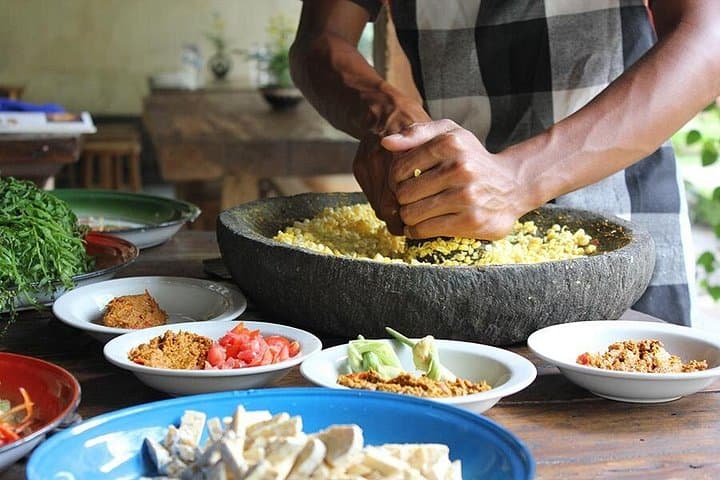
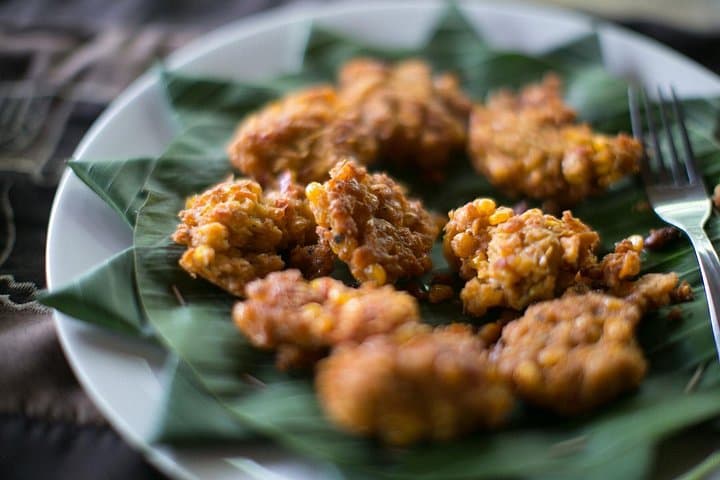
You’ll cook at a wood-fired stove with Dewa’s wife, preparing pepes ikan wrapped in banana leaves, chicken in fresh turmeric-coconut bumbu kuning and hand-ground bregedel fritters. Expect hands-on instruction, pace set by the family, and a communal meal served in the courtyard.
Practically: the tour runs about four hours with round-trip Ubud pickup; it’s mostly standing and stirring, not physically demanding but involves hot stoves. Cameras are welcome but observe family privacy and temple rules. If staying outside Ubud, confirm the meeting point in Keliki. Bring modest clothing for a village visit, a sun hat, and an appetite for both flavor and local stories — you’ll leave with printed recipes and a clearer sense of Balinese home cooking.
easy.
4 hours.
Light: mostly standing, walking short garden paths and basic kitchen tasks; suitable for most travellers
Yes—round-trip transfers are provided from Ubud hotels; if you’re staying outside Ubud the host will meet you in Keliki and you must arrange your own transport.
Vegetarian options are available if requested at booking; advise the host of allergies or strict diets in advance.
No—this is a visit to a private family home where you share in traditional cooking and local culture rather than formal culinary training.
Yes—infants and small children can attend; consider that the class involves hot stoves and open flames so supervision is required.
Balinese family compounds are organized around shared courtyards and domestic shrines; cooking and offerings are woven into daily spiritual practice.
Supporting small, local hosts channels tourism revenue to village families; avoid single-use plastics and follow host guidance on shrine etiquette to reduce impact.
Traveling Spoon operates guided outdoor trips and adventures with an emphasis on safety, stewardship, and memorable experiences.
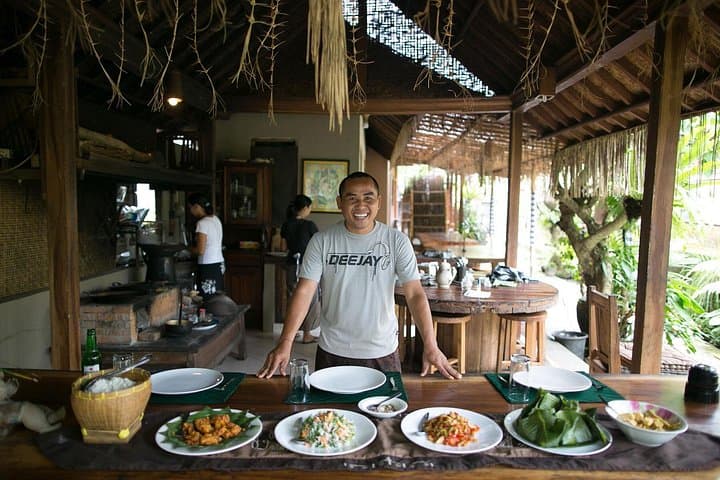
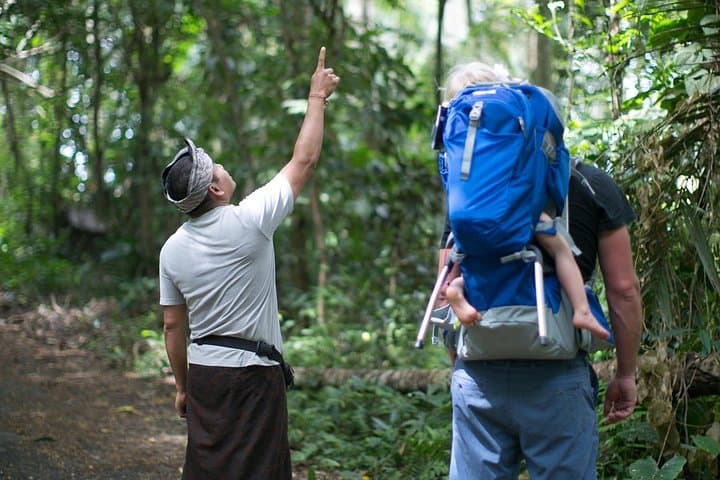
Morning light filters through a leafy compound as the smell of wood smoke and turmeric rises from an open kitchen. Guests meet Dewa and his family at a low-slung pavilion, then move through a small garden where galangal, cacao and fragrant basil wait to be identified, picked and tasted. The garden walk is less a botanical lecture than a practiced walk through food memory: plants that heal, plants that flavor, plants that define Bali.
Morning light filters through a leafy compound as the smell of wood smoke and turmeric rises from an open kitchen. Guests meet Dewa and his family at a low-slung pavilion, then move through a small garden where galangal, cacao and fragrant basil wait to be identified, picked and tasted. The garden walk is less a botanical lecture than a practiced walk through food memory: plants that heal, plants that flavor, plants that define Bali.
The experience sits in the longer arc of Balinese domestic life. Traditional family compounds are arranged around inner courtyards and small shrines; cooking here is both craft and ritual. The food itself draws on island geology — volcanic soils that favor coconut palms and root spices — and centuries of trade that brought nutmeg, pepper and turmeric to local plates.
You’ll cook at a wood-fired stove with Dewa’s wife, preparing pepes ikan wrapped in banana leaves, chicken in fresh turmeric-coconut bumbu kuning and hand-ground bregedel fritters. Expect hands-on instruction, pace set by the family, and a communal meal served in the courtyard.
Practically: the tour runs about four hours with round-trip Ubud pickup; it’s mostly standing and stirring, not physically demanding but involves hot stoves. Cameras are welcome but observe family privacy and temple rules. If staying outside Ubud, confirm the meeting point in Keliki. Bring modest clothing for a village visit, a sun hat, and an appetite for both flavor and local stories — you’ll leave with printed recipes and a clearer sense of Balinese home cooking.