THE ADVENTURE COLLECTIVE® · Independent discovery and booking for outdoor travel

Go behind club doors with a local guide and meet working jazz musicians in New Orleans. This three-hour backstage tour blends music history with intimate, real-world encounters at rehearsal rooms and small venues.
Go behind club doors with a local guide and meet working jazz musicians in New Orleans. This three-hour backstage tour blends music history with intimate, real-world encounters at rehearsal rooms and small venues.
You step off a narrow French Quarter street and the city’s sound cuts in: a trumpet answering a saxophone, a bassline rolling like the river. Streetlights throw warm halos on brick façades as your guide leads the group through a maze of clubs and rehearsal rooms. The tour pulls back curtains and opens doors you wouldn’t find on your own, letting you watch musicians tune, swap stories, and warm up for the night.
Verified experiences and guided adventures in the surrounding area.
Operated by Nola Detours · New Orleans, Louisiana
You step off a narrow French Quarter street and the city’s sound cuts in: a trumpet answering a saxophone, a bassline rolling like the river. Streetlights throw warm halos on brick façades as your guide leads the group through a maze of clubs and rehearsal rooms. The tour pulls back curtains and opens doors you wouldn’t find on your own, letting you watch musicians tune, swap stories, and warm up for the night.
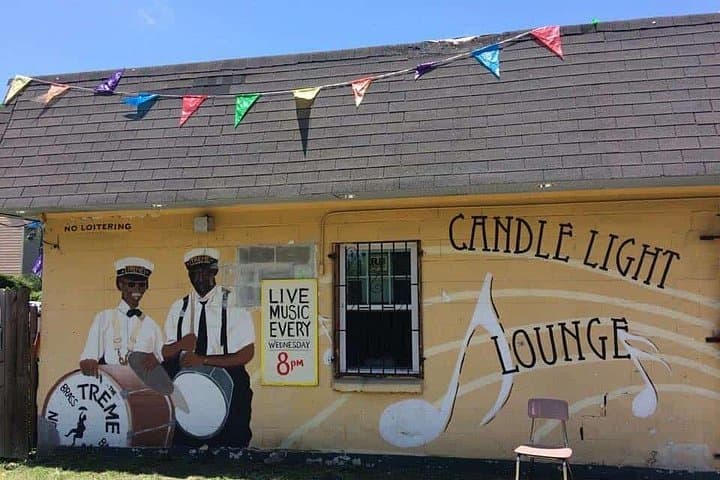
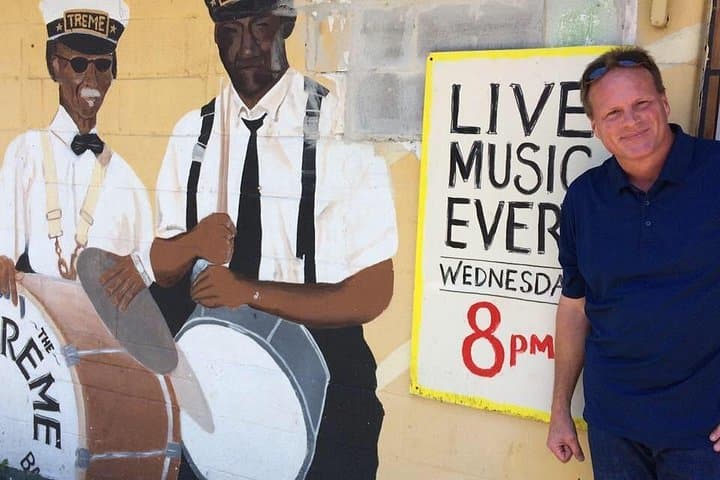
New Orleans’ music is rooted in a particular history: colonial France and Spain, the community of free people of color, and the commercial burst of Storyville in the late 19th and early 20th centuries. That cultural mix — amplified by Creole parlor bands and church choirs from Tremé — is where jazz grew its first distinct voice. Geologically, the city sits on Mississippi River sediments and reclaimed swamps, which shaped neighborhoods and trade routes that fed a constant flow of people and ideas into its clubs.
Expect a blend of indoor venues and short walks between spots over about three hours. The experience emphasizes local culture: meet-and-greets with working musicians, backstage glimpses, and context about key sites like Preservation Hall and local rehearsal halls. Practical notes: bring comfortable shoes for cobbled streets, allow time for manual confirmation of bookings, and be prepared to tip — musicians rely on live income. Photography policies vary by venue; ask before taking close-up shots. The tour is an intimate, practical way to connect with New Orleans’ living music scene while learning the stories behind the sound.
easy.
3 hours.
Light walking and standing; suitable for most fitness levels with basic mobility to navigate steps and curbs.
You’ll receive a confirmed meeting location in the French Quarter prior to the tour; typical start points are near central squares or well-known clubs.
You’ll get small-group backstage access and an opportunity to speak with musicians; full private lessons or extended one-on-one time are not guaranteed.
Many venues have limited accessibility due to historic buildings and steps—contact the operator in advance to discuss accommodations.
Yes—tipping performers and the guide is customary and supports local artists; bring small bills for easy tipping.
New Orleans’ jazz emerged from the mixing of Creole parlor music, African rhythms, and brass-band traditions in neighborhoods like Tremé and Storyville around the turn of the 20th century.
Support local musicians and venues by buying merch, tipping, and respecting noise and litter rules; tourism pressure can strain historic neighborhoods, so keep group sizes moderate and use public transit where possible.
Nola Detours operates guided outdoor trips and adventures with an emphasis on safety, stewardship, and memorable experiences.
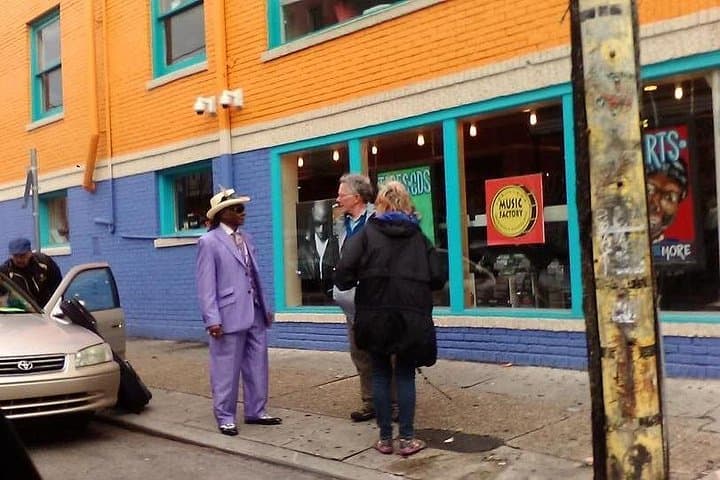
You step off a narrow French Quarter street and the city’s sound cuts in: a trumpet answering a saxophone, a bassline rolling like the river. Streetlights throw warm halos on brick façades as your guide leads the group through a maze of clubs and rehearsal rooms. The tour pulls back curtains and opens doors you wouldn’t find on your own, letting you watch musicians tune, swap stories, and warm up for the night.
You step off a narrow French Quarter street and the city’s sound cuts in: a trumpet answering a saxophone, a bassline rolling like the river. Streetlights throw warm halos on brick façades as your guide leads the group through a maze of clubs and rehearsal rooms. The tour pulls back curtains and opens doors you wouldn’t find on your own, letting you watch musicians tune, swap stories, and warm up for the night.
New Orleans’ music is rooted in a particular history: colonial France and Spain, the community of free people of color, and the commercial burst of Storyville in the late 19th and early 20th centuries. That cultural mix — amplified by Creole parlor bands and church choirs from Tremé — is where jazz grew its first distinct voice. Geologically, the city sits on Mississippi River sediments and reclaimed swamps, which shaped neighborhoods and trade routes that fed a constant flow of people and ideas into its clubs.
Expect a blend of indoor venues and short walks between spots over about three hours. The experience emphasizes local culture: meet-and-greets with working musicians, backstage glimpses, and context about key sites like Preservation Hall and local rehearsal halls. Practical notes: bring comfortable shoes for cobbled streets, allow time for manual confirmation of bookings, and be prepared to tip — musicians rely on live income. Photography policies vary by venue; ask before taking close-up shots. The tour is an intimate, practical way to connect with New Orleans’ living music scene while learning the stories behind the sound.