THE ADVENTURE COLLECTIVE® · Independent discovery and booking for outdoor travel

This six-day private circuit from Baku moves from the glass facades of Flame Towers to prehistoric petroglyphs, bubbling mud volcanoes and a 2,300‑meter mountain village. Expect compact drives, guided cultural stops and short on-foot explorations that reveal both ancient and living Azerbaijan.
This six-day private circuit from Baku moves from the glass facades of Flame Towers to prehistoric petroglyphs, bubbling mud volcanoes and a 2,300‑meter mountain village. Expect compact drives, guided cultural stops and short on-foot explorations that reveal both ancient and living Azerbaijan.
Arrive in Baku and the first breath off the plane is salty and warm—the Caspian Sea pushing a breeze through the city’s glass-and-stone geometry. On day two the itinerary peels open: Highland Park gives a panoramic sweep of the waterfront, the Flame Towers glare like modern watchfires, and the Old City (Icherisheher) tightens the senses with narrow lanes, stone stairways and the squat silhouette of the Maiden Tower.
Verified experiences and guided adventures in the surrounding area.
Operated by Baku Tour Packages · Baku, Baku
Arrive in Baku and the first breath off the plane is salty and warm—the Caspian Sea pushing a breeze through the city’s glass-and-stone geometry. On day two the itinerary peels open: Highland Park gives a panoramic sweep of the waterfront, the Flame Towers glare like modern watchfires, and the Old City (Icherisheher) tightens the senses with narrow lanes, stone stairways and the squat silhouette of the Maiden Tower.
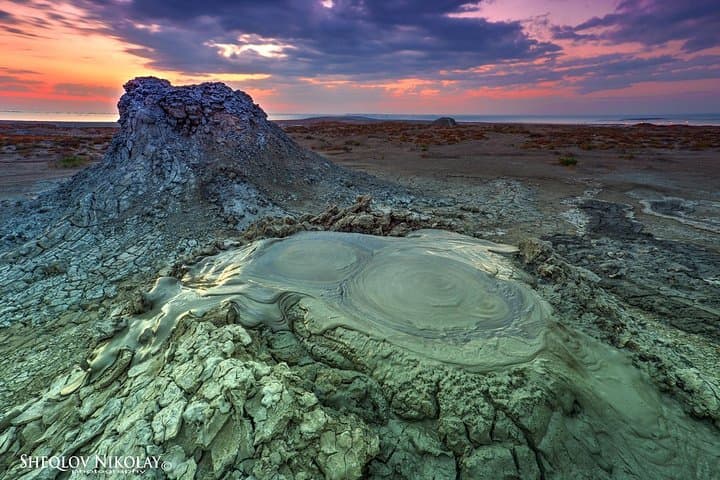
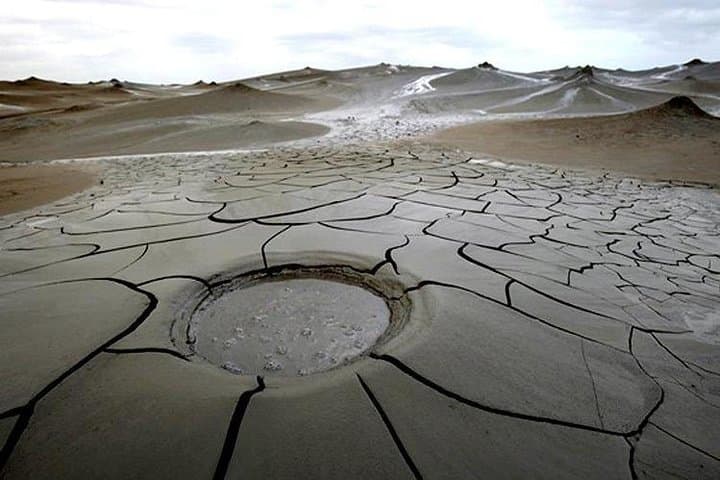
Traveling inland on day five, the landscape shifts. Gobustan’s ochre plains scatter with petroglyphs carved by hands tens of thousands of years ago; the rock faces seem to whisper human gestures across epochs. Nearby, mud volcanoes bubble and hiss—geologic mouths delivering a reminder that this coastline lives not only by the sea but by subterranean gas and oil. To the north, Guba and the remote mountain village of Khinalug sit above 2,300 meters where terraced stone houses crouch beneath granite shoulders and the local language survives as a living shard of the Caucasus.
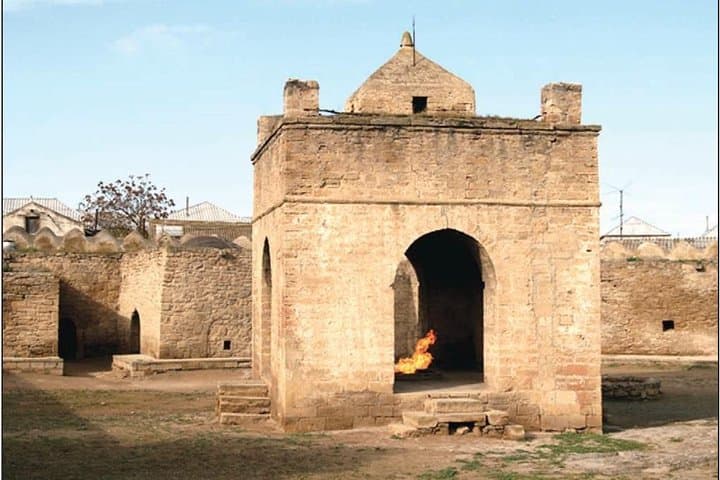
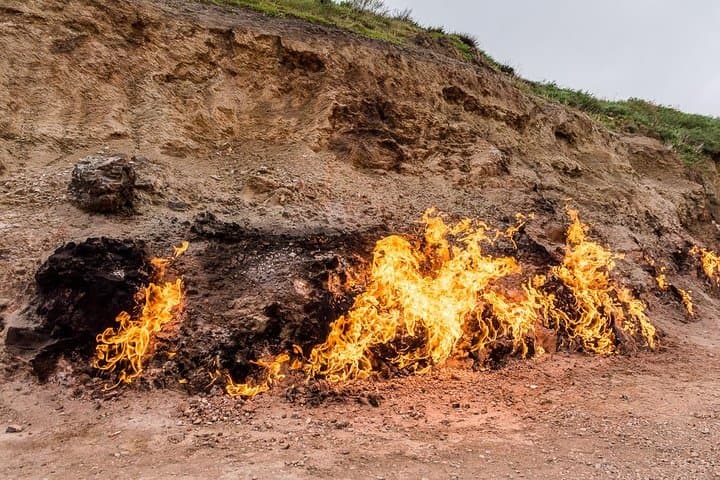
History here layers quickly: medieval Shirvanshah rulers left a palace high in the Old City, carpets from Guba carry design schools that traveled trade routes, and Ateshgah and Yanardag speak to a pre-Islamic connection to fire worship that entwines with later Hindu and Islamic uses. Geology is equally busy—Caspian fluctuations, active mud volcanism tied to hydrocarbon fields, and centuries of human settlement responding to scarce fresh water and mountain corridors.
Practical rhythm: this private program moves by car with short on-foot explorations—expect city walks of 1–2 hours, museum stops, and a 2–3 hour highland visit to Khinalug that includes short steep sections (some paths are uneven). Distances: Baku to Gobustan ~60 km (≈1 hour), Baku to Guba ~170 km (≈3–3.5 hours). Khinalug sits around 2,300–2,500 m elevation; acclimatize if you’re sensitive to altitude.
Packing and pacing matter. Bring sturdy walking shoes for cobbled Old City streets and uneven trails, layers for coastal wind and mountain chill, sun protection for open plains, and small local currency for entry fees and vendors. Respect mosque protocols at Bibi-Heybat and other religious sites—cover shoulders, remove hats where requested. Guides on this private tour handle logistics and skip lines, but wear comfortable shoes and keep a reusable bottle: Azerbaijan’s summer sun can be relentless, and remote stops have limited services.
The reward is tangible: ancient rock art, carpets with knot-work that map clan histories, the smell of gas-scented hills that have burned for centuries, and the slow human geography of a mountain village that still keeps its language. For a short, layered introduction to the Caucasus’ collision of culture and geology, this six-day private loop is an efficient, immersive way in.
moderate.
5–6 days.
Suitable for travelers in reasonable health — mostly short walks and easy hikes with one high‑altitude village visit; not technical but expect uneven terrain.
Yes; the itinerary is paced with car transfers and short walks, but high‑altitude stops like Khinalug involve steep, uneven ground—assess mobility and acclimatization needs.
The program includes entrance tickets for Ateshgah, Yanardag and Gobustan Museum; some smaller sites or optional extras may require local payment.
Many nationalities can obtain an e‑visa online before travel—check Azerbaijan's official e‑visa portal well in advance.
Breakfasts are included; guides can arrange meals to accommodate common dietary needs but notify the operator of allergies or strict requirements ahead of time.
Licensed guides typically speak English and Russian; confirm language preference at booking for other needs.
Drives vary—Baku to Gobustan ~1 hour, Baku to Guba ~3–3.5 hours; the tour mixes drives with several short stops and 1–2 hour walking sessions each day.
Azerbaijan sits at a crossroads of empires; Baku’s Inner City preserves medieval Shirvanshah palaces while Ateshgah and Yanardag reflect ancient fire‑centric beliefs tied to natural gas seeps.
Mud volcanoes and Gobustan are sensitive geologic and archaeological sites—stick to trails, avoid collecting artifacts, and use local guides to minimize impact.
Baku Tour Packages operates guided outdoor trips and adventures with an emphasis on safety, stewardship, and memorable experiences.
Arrive in Baku and the first breath off the plane is salty and warm—the Caspian Sea pushing a breeze through the city’s glass-and-stone geometry. On day two the itinerary peels open: Highland Park gives a panoramic sweep of the waterfront, the Flame Towers glare like modern watchfires, and the Old City (Icherisheher) tightens the senses with narrow lanes, stone stairways and the squat silhouette of the Maiden Tower.
Arrive in Baku and the first breath off the plane is salty and warm—the Caspian Sea pushing a breeze through the city’s glass-and-stone geometry. On day two the itinerary peels open: Highland Park gives a panoramic sweep of the waterfront, the Flame Towers glare like modern watchfires, and the Old City (Icherisheher) tightens the senses with narrow lanes, stone stairways and the squat silhouette of the Maiden Tower.
Traveling inland on day five, the landscape shifts. Gobustan’s ochre plains scatter with petroglyphs carved by hands tens of thousands of years ago; the rock faces seem to whisper human gestures across epochs. Nearby, mud volcanoes bubble and hiss—geologic mouths delivering a reminder that this coastline lives not only by the sea but by subterranean gas and oil. To the north, Guba and the remote mountain village of Khinalug sit above 2,300 meters where terraced stone houses crouch beneath granite shoulders and the local language survives as a living shard of the Caucasus.
History here layers quickly: medieval Shirvanshah rulers left a palace high in the Old City, carpets from Guba carry design schools that traveled trade routes, and Ateshgah and Yanardag speak to a pre-Islamic connection to fire worship that entwines with later Hindu and Islamic uses. Geology is equally busy—Caspian fluctuations, active mud volcanism tied to hydrocarbon fields, and centuries of human settlement responding to scarce fresh water and mountain corridors.
Practical rhythm: this private program moves by car with short on-foot explorations—expect city walks of 1–2 hours, museum stops, and a 2–3 hour highland visit to Khinalug that includes short steep sections (some paths are uneven). Distances: Baku to Gobustan ~60 km (≈1 hour), Baku to Guba ~170 km (≈3–3.5 hours). Khinalug sits around 2,300–2,500 m elevation; acclimatize if you’re sensitive to altitude.
Packing and pacing matter. Bring sturdy walking shoes for cobbled Old City streets and uneven trails, layers for coastal wind and mountain chill, sun protection for open plains, and small local currency for entry fees and vendors. Respect mosque protocols at Bibi-Heybat and other religious sites—cover shoulders, remove hats where requested. Guides on this private tour handle logistics and skip lines, but wear comfortable shoes and keep a reusable bottle: Azerbaijan’s summer sun can be relentless, and remote stops have limited services.
The reward is tangible: ancient rock art, carpets with knot-work that map clan histories, the smell of gas-scented hills that have burned for centuries, and the slow human geography of a mountain village that still keeps its language. For a short, layered introduction to the Caucasus’ collision of culture and geology, this six-day private loop is an efficient, immersive way in.