THE ADVENTURE COLLECTIVE® · Independent discovery and booking for outdoor travel

Spend a day moving from coastal waterfalls to a family farm, tasting Peka roasted under an iron dome, sampling home wines and Ston oysters, and learning the foodcraft that ties Dalmatia’s land and sea. This private tour runs 8–12 hours with pickup in Dubrovnik and drop-off in Split.
Spend a day moving from coastal waterfalls to a family farm, tasting Peka roasted under an iron dome, sampling home wines and Ston oysters, and learning the foodcraft that ties Dalmatia’s land and sea. This private tour runs 8–12 hours with pickup in Dubrovnik and drop-off in Split.
The van eases out of Dubrovnik’s shadow before dawn, the city’s limestone roofs cooling behind you while the Adriatic glass brightens to steel. For the next eight to twelve hours you move inland and along the coast, chasing tastes the guide calls “the family’s story on a plate.” First is the abrupt cool of Koćuša—water falling in sheets where karst rock forces a river to leap—and the spray that dares you to draw closer. Later, a narrow lane climbs toward Hardomilje and the Rupčić family farm, where oven smoke and the heavy perfume of slow-cooked lamb announce how the region still eats.
Verified experiences and guided adventures in the surrounding area.
Operated by Private Tours Travel Agency · Dubrovnik, Dubrovnik-Neretva County
The van eases out of Dubrovnik’s shadow before dawn, the city’s limestone roofs cooling behind you while the Adriatic glass brightens to steel. For the next eight to twelve hours you move inland and along the coast, chasing tastes the guide calls “the family’s story on a plate.” First is the abrupt cool of Koćuša—water falling in sheets where karst rock forces a river to leap—and the spray that dares you to draw closer. Later, a narrow lane climbs toward Hardomilje and the Rupčić family farm, where oven smoke and the heavy perfume of slow-cooked lamb announce how the region still eats.
This is more than a meal; it’s a day-long portrait of Dalmatia and the borderlands. The food reflects the landscape: Peka—meat and vegetables roasted under an iron dome—comes from a pastoral practice shaped by seasonal grazing, while Ston’s oysters, sampled later, speak to the centuries-old saltworks and aquaculture of the Pelješac peninsula. Geology and history are the quiet partners here: karst limestone channels rivers into dramatic falls and canyons, while medieval walls and Ottoman-era trade routes set the patterns for what grows where.
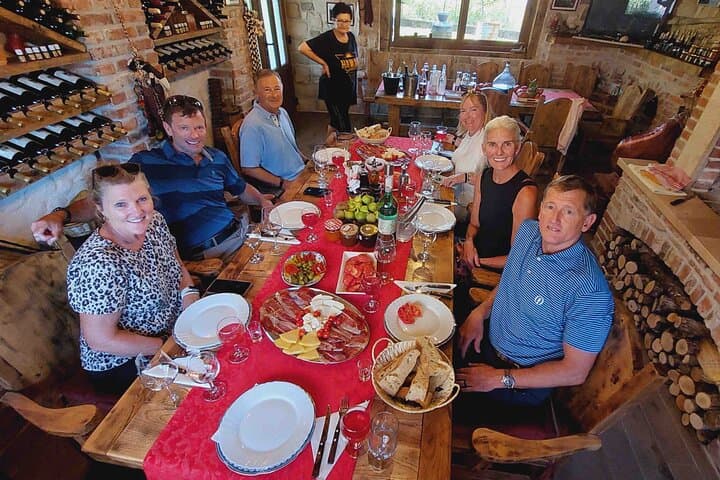
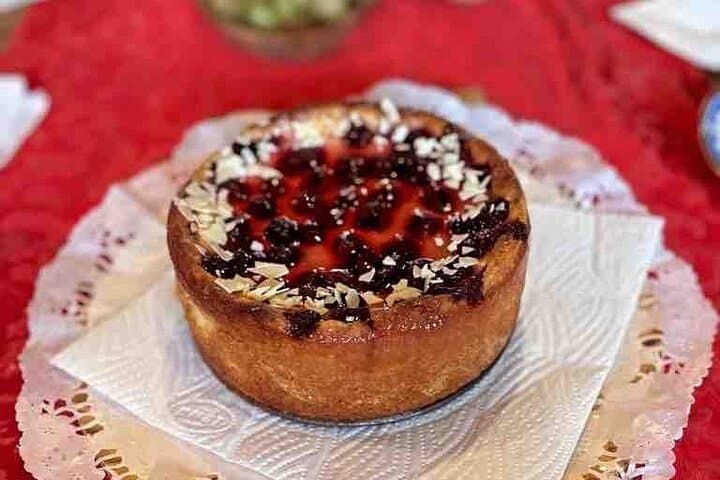
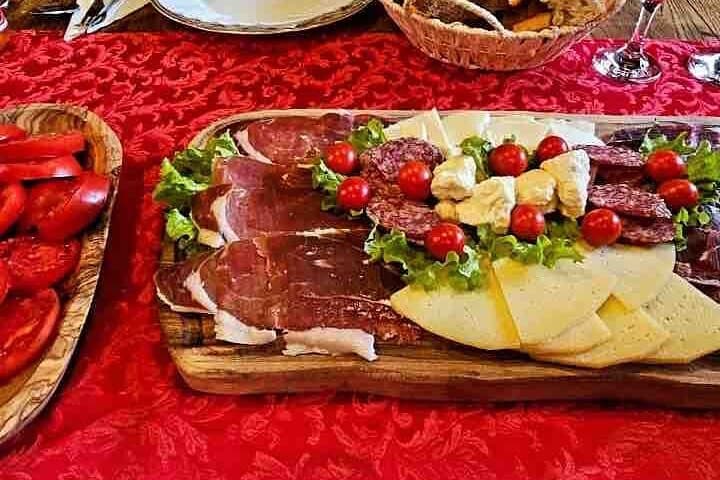
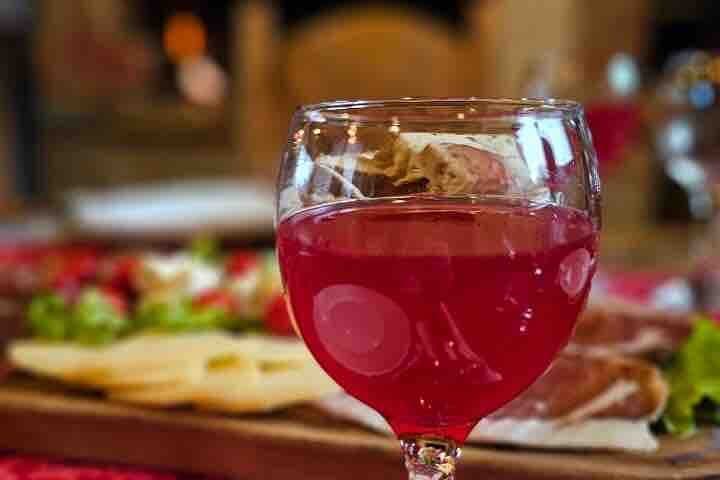
At the Rupčić table, menus change with the harvest. Home-baked pies and salads built from sun-ripened vegetables sit beside brandies and wines distilled or pressed on-site; each glass is introduced with a hand gesture and a story about the vine or tree. You’ll taste, you’ll ask, and you’ll learn how simple techniques—curing, smoking, stone-oven baking—stretch the growing season in an area where the land can be austere.
Practicalities are straightforward but important. The tour covers a long itinerary (expect several hours of driving across varied terrain and at least three major stops), runs year-round with seasonal menu shifts, and may cross international borders—bring passports and check visa needs in advance. The experience is private and paced for mixed groups, so mobility isn’t tested beyond short walks; still, dress in layers, bring sturdy shoes for river viewpoints, and carry a small daypack for water and camera gear.
Logistics you’ll appreciate: pickups from Dubrovnik accommodations, included tastings and bottled water, and an endpoint in Split, which makes this an excellent transfer-day experience for travelers moving down the coast. If you want a closer look at winemaking or an extra walk at Cetina Canyon, tell Ante—the owner and licensed guide—beforehand. He’s been running this family hospitality for years and steers the day to match appetite and energy.
For someone chasing authentic regional flavor without the fuss of restaurant reservations or rigid schedules, this private farm-to-table tour stitches together landscape, history and hands-on food in a single, memorable day. It’s food, geography and family hospitality rolled into a route that finishes with the Adriatic’s wide light as your backdrop.
easy.
8–12 hours.
Suitable for travelers in average physical condition; involves short walks, standing during tastings, and getting in/out of a van several times.
Yes—this route may cross an international border near Koćuša waterfalls so all travelers should carry passports and check visa requirements.
Yes—families and infants are welcome; infant seats are available and meals can be adapted for children.
Yes—contact the operator when booking to note allergies or preferences so the family can plan alternatives.
Walking is light to moderate: short walks to viewpoints and around the farm—no long hikes or technical terrain.
Yes—a private van or minivan transfer is included from pickup in Dubrovnik to drop-off in Split, with stops and tastings included as listed.
Tipping is discretionary; for a private, guide-led culinary experience, 10–15% for exceptional service is typical, or a smaller amount if multiple staff served you.
The region’s culinary map has been shaped by coastal trade and inland pastoralism—salt from Ston and inland livestock herding produced the pairings of oysters and slow-roasted meats available today.
Small family farms here practice mixed organic techniques; visitors should avoid single-use plastics and respect grazing areas to minimize impact.
Private Tours Travel Agency operates guided outdoor trips and adventures with an emphasis on safety, stewardship, and memorable experiences.
The van eases out of Dubrovnik’s shadow before dawn, the city’s limestone roofs cooling behind you while the Adriatic glass brightens to steel. For the next eight to twelve hours you move inland and along the coast, chasing tastes the guide calls “the family’s story on a plate.” First is the abrupt cool of Koćuša—water falling in sheets where karst rock forces a river to leap—and the spray that dares you to draw closer. Later, a narrow lane climbs toward Hardomilje and the Rupčić family farm, where oven smoke and the heavy perfume of slow-cooked lamb announce how the region still eats.
The van eases out of Dubrovnik’s shadow before dawn, the city’s limestone roofs cooling behind you while the Adriatic glass brightens to steel. For the next eight to twelve hours you move inland and along the coast, chasing tastes the guide calls “the family’s story on a plate.” First is the abrupt cool of Koćuša—water falling in sheets where karst rock forces a river to leap—and the spray that dares you to draw closer. Later, a narrow lane climbs toward Hardomilje and the Rupčić family farm, where oven smoke and the heavy perfume of slow-cooked lamb announce how the region still eats.
This is more than a meal; it’s a day-long portrait of Dalmatia and the borderlands. The food reflects the landscape: Peka—meat and vegetables roasted under an iron dome—comes from a pastoral practice shaped by seasonal grazing, while Ston’s oysters, sampled later, speak to the centuries-old saltworks and aquaculture of the Pelješac peninsula. Geology and history are the quiet partners here: karst limestone channels rivers into dramatic falls and canyons, while medieval walls and Ottoman-era trade routes set the patterns for what grows where.
At the Rupčić table, menus change with the harvest. Home-baked pies and salads built from sun-ripened vegetables sit beside brandies and wines distilled or pressed on-site; each glass is introduced with a hand gesture and a story about the vine or tree. You’ll taste, you’ll ask, and you’ll learn how simple techniques—curing, smoking, stone-oven baking—stretch the growing season in an area where the land can be austere.
Practicalities are straightforward but important. The tour covers a long itinerary (expect several hours of driving across varied terrain and at least three major stops), runs year-round with seasonal menu shifts, and may cross international borders—bring passports and check visa needs in advance. The experience is private and paced for mixed groups, so mobility isn’t tested beyond short walks; still, dress in layers, bring sturdy shoes for river viewpoints, and carry a small daypack for water and camera gear.
Logistics you’ll appreciate: pickups from Dubrovnik accommodations, included tastings and bottled water, and an endpoint in Split, which makes this an excellent transfer-day experience for travelers moving down the coast. If you want a closer look at winemaking or an extra walk at Cetina Canyon, tell Ante—the owner and licensed guide—beforehand. He’s been running this family hospitality for years and steers the day to match appetite and energy.
For someone chasing authentic regional flavor without the fuss of restaurant reservations or rigid schedules, this private farm-to-table tour stitches together landscape, history and hands-on food in a single, memorable day. It’s food, geography and family hospitality rolled into a route that finishes with the Adriatic’s wide light as your backdrop.