THE ADVENTURE COLLECTIVE® · Independent discovery and booking for outdoor travel

Combine up-close views of the Pyramids and Sphinx with a one-hour ATV loop across the Giza Plateau. This private half-day trip pairs guided history with desert riding and hotel transfers.
Combine up-close views of the Pyramids and Sphinx with a one-hour ATV loop across the Giza Plateau. This private half-day trip pairs guided history with desert riding and hotel transfers.
You kick up a spray of ochre sand, the Great Pyramid looming like a blunt shoulder on the skyline, while the Sphinx watches from its limestone throne. The wind carries faint calls from the plateau and the guide’s voice over the soft rumble of the quad — a half-day splice of archaeology and adrenaline.
Verified experiences and guided adventures in the surrounding area.
Operated by Book Egypt by Locals Tours · Giza, Giza Governorate
You kick up a spray of ochre sand, the Great Pyramid looming like a blunt shoulder on the skyline, while the Sphinx watches from its limestone throne. The wind carries faint calls from the plateau and the guide’s voice over the soft rumble of the quad — a half-day splice of archaeology and adrenaline.
The Giza Plateau is rock and history: Miocene limestone layers form the bedrock beneath the monuments, quarried millennia ago to build the pyramid cores. The Great Pyramid and its neighbors were royal tombs from Egypt’s Old Kingdom (circa 2600–2500 BCE), and the nearby Valley Temple preserves dressing rooms and ritual spaces tied to funerary practices. Modern Giza is a working urban edge; local drivers, guides and vendors shape the practical rhythm of visits.
Practically, expect a 3–4 hour private excursion with hotel transfers, a guided walk among the pyramid bases, a quick Valley Temple visit, and a one-hour quad-bike circuit around the plateau for photos and open-desert riding. Operators supply helmets and bottled water; wear closed-toe shoes, long sleeves or sun protection, and sunglasses. Sand and engine dust will demand sensible camera protection and secure footwear. Follow your guide’s safety briefing — curves on loose sand require slow, controlled inputs. Time your visit for early morning or late afternoon light to avoid the harsh midday heat and to capture the best photos. Respect signage and staff instructions: the archaeological site is fragile, and staying on assigned routes helps preserve the stones both for scholarship and for the next rider.
moderate.
3–4 hours.
Suitable for most fitness levels; riders should be able to mount a quad and maintain balance for short periods.
This private half-day tour typically includes a guided walk around the pyramid complex but not internal pyramid entry tickets; confirm with the operator if you want tomb access.
The quad-bike portion is approximately one hour on open desert tracks around the plateau, framed by views of the pyramids and Sphinx.
Yes — round-trip transfer from Cairo or Giza hotels is included, using an air-conditioned vehicle as part of the tour package.
Rules vary by operator; children may ride as passengers while drivers generally must meet a minimum age and follow briefing instructions — check details when booking.
The Giza Pyramid complex dates to Egypt’s Old Kingdom (c. 2600–2500 BCE); the monuments functioned as royal tombs and ritual centers.
The plateau is sensitive to erosion and human impact — stick to designated tracks, avoid climbing monuments, and follow guide directions to minimize wear on ancient stone.
Book Egypt by Locals Tours operates guided outdoor trips and adventures with an emphasis on safety, stewardship, and memorable experiences.
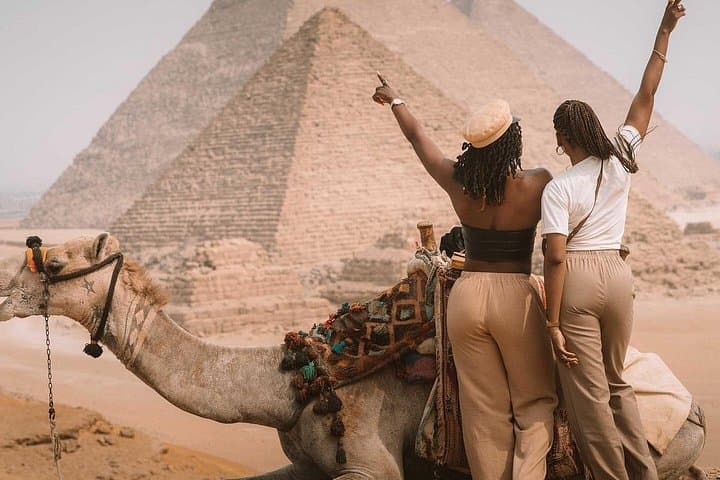
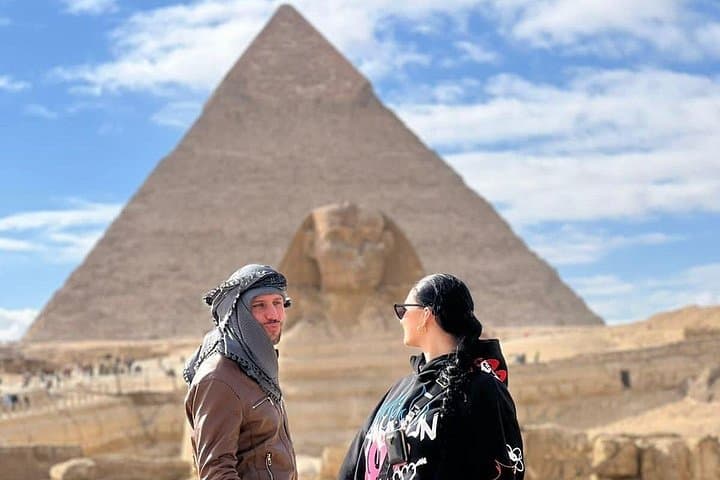
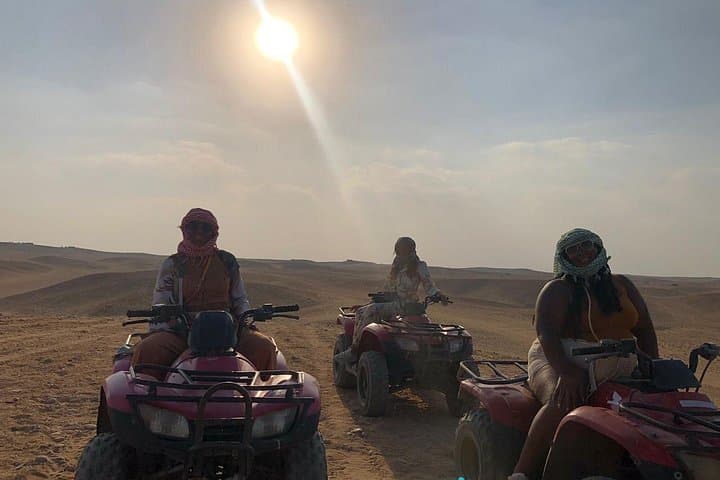
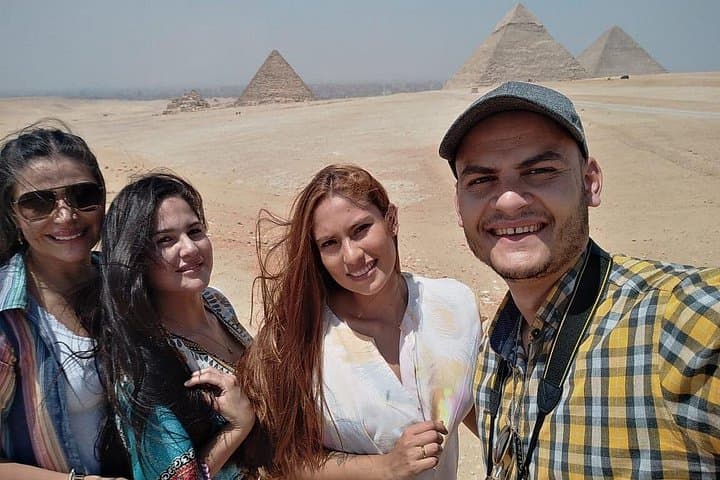
You kick up a spray of ochre sand, the Great Pyramid looming like a blunt shoulder on the skyline, while the Sphinx watches from its limestone throne. The wind carries faint calls from the plateau and the guide’s voice over the soft rumble of the quad — a half-day splice of archaeology and adrenaline.
You kick up a spray of ochre sand, the Great Pyramid looming like a blunt shoulder on the skyline, while the Sphinx watches from its limestone throne. The wind carries faint calls from the plateau and the guide’s voice over the soft rumble of the quad — a half-day splice of archaeology and adrenaline.
The Giza Plateau is rock and history: Miocene limestone layers form the bedrock beneath the monuments, quarried millennia ago to build the pyramid cores. The Great Pyramid and its neighbors were royal tombs from Egypt’s Old Kingdom (circa 2600–2500 BCE), and the nearby Valley Temple preserves dressing rooms and ritual spaces tied to funerary practices. Modern Giza is a working urban edge; local drivers, guides and vendors shape the practical rhythm of visits.
Practically, expect a 3–4 hour private excursion with hotel transfers, a guided walk among the pyramid bases, a quick Valley Temple visit, and a one-hour quad-bike circuit around the plateau for photos and open-desert riding. Operators supply helmets and bottled water; wear closed-toe shoes, long sleeves or sun protection, and sunglasses. Sand and engine dust will demand sensible camera protection and secure footwear. Follow your guide’s safety briefing — curves on loose sand require slow, controlled inputs. Time your visit for early morning or late afternoon light to avoid the harsh midday heat and to capture the best photos. Respect signage and staff instructions: the archaeological site is fragile, and staying on assigned routes helps preserve the stones both for scholarship and for the next rider.