THE ADVENTURE COLLECTIVE® · Independent discovery and booking for outdoor travel

A full‑day private journey from Aswan to the monumental temples of Abu Simbel and the island sanctuary of Philae, capped by a peaceful Nile felucca at sunset. Beat the crowds with timed entries and expert local guides.
A full‑day private journey from Aswan to the monumental temples of Abu Simbel and the island sanctuary of Philae, capped by a peaceful Nile felucca at sunset. Beat the crowds with timed entries and expert local guides.
The day begins before dawn on an Egyptian highway, headlights slicing through desert blue as the road unfurls toward Abu Simbel. You arrive to stone giants watching the horizon—colossal Ramses II statues that measure the sun’s patience. Later, a small island temple awaits, its columns rising from the Nile like a city that refused to leave the water.
Verified experiences and guided adventures in the surrounding area.
Operated by Eyes of Egypt · Aswan, Aswan Governorate
The day begins before dawn on an Egyptian highway, headlights slicing through desert blue as the road unfurls toward Abu Simbel. You arrive to stone giants watching the horizon—colossal Ramses II statues that measure the sun’s patience. Later, a small island temple awaits, its columns rising from the Nile like a city that refused to leave the water.
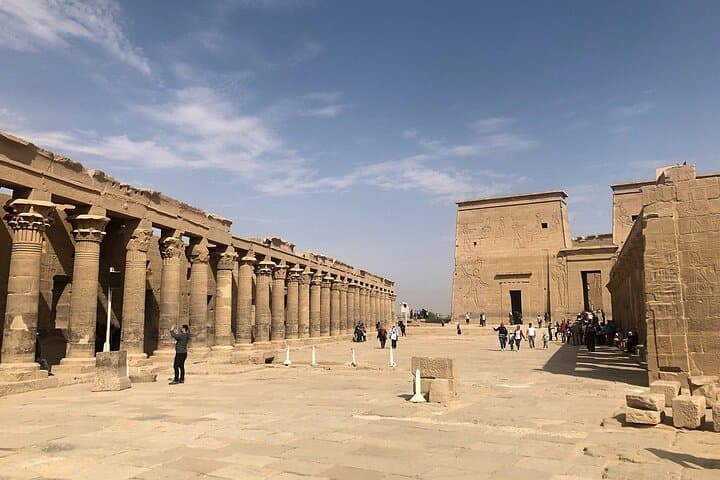
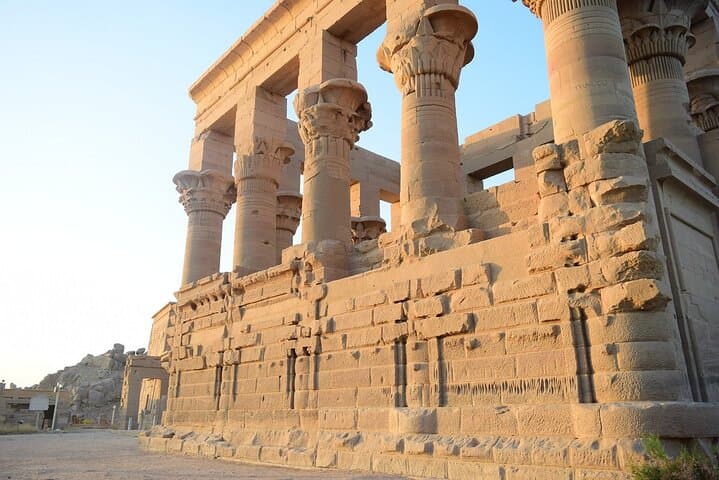
Abu Simbel and Philae bookend millennia: 13th‑century BC royal ambition carved into Nubian sandstone, and the island sanctuary of Philae, where Greek, Roman and Coptic phases layer over pharaonic faith. Geology here is blunt and honest—hard sandstone and desert gravel sculpted by wind and the Nile’s ancient reach. Local culture threads through every stop; licensed Egyptologists translate hieroglyphs into human stories and boatmen keep river rhythms alive.
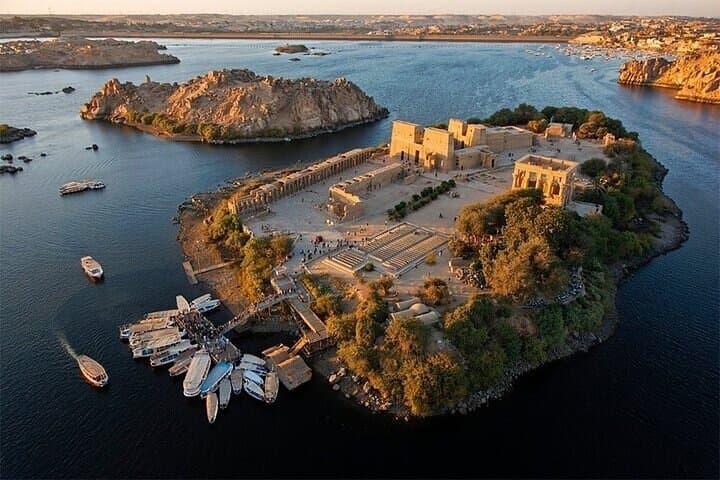
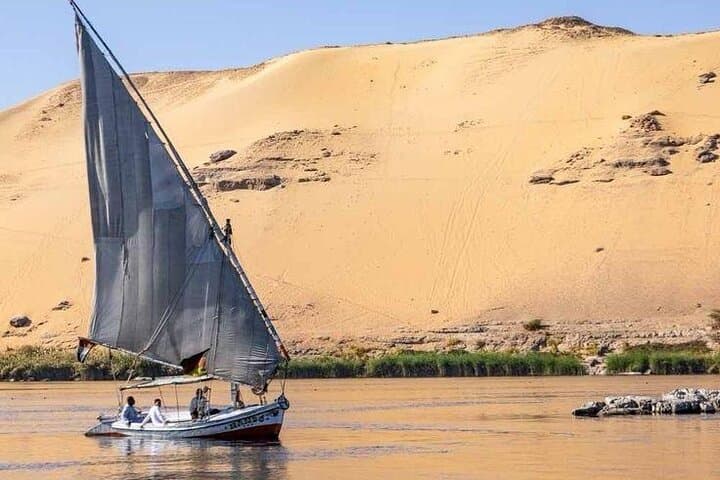
Expect three hours each way by road from Aswan to Abu Simbel, time to rest and scan the changing landscape. Philae sits within a lush pocket of riverine green on Agilkia Island—approach by launch and let the Nile’s breeze push your shoulders loose. The felucca at sunset is simple transport turned ritual: sails drink the wind while the river dares you to slow down.
Practical edge: bring sun protection and layered clothing for temperature swings between desert heat and breezy river decks. The itinerary is long—11–12 hours—so pace yourself, keep hydrated, and protect electronics from sand. With timed entries and private transfers, the day prioritizes comfort and depth: monuments that are both spectacular and readable, seen at a tempo that makes sense.
moderate.
11–12 hours.
Good baseline fitness for long transfers and short walks; able to board launches and step over uneven temple thresholds.
Yes — the tour listing includes entrance tickets to Abu Simbel and Philae as part of the private package.
Expect roughly three hours each way (about 280 km / 175 miles) with brief stops factored into the schedule.
The felucca experience may use sails with a small motor assist depending on wind; the operator will choose the safest option for conditions.
The operator lists wheelchair accessibility for transfers, but some temple areas have uneven stone and steps; check specific accessibility needs with the provider in advance.
Abu Simbel was relocated in the 1960s to avoid flooding from the Aswan High Dam; Philae was also rescued and reassembled on nearby Agilkia Island as part of UNESCO salvage efforts.
The sites are managed with visitor limits and timed entries to reduce wear; choose operators who follow local guidelines and avoid touching ancient reliefs.
Eyes of Egypt operates guided outdoor trips and adventures with an emphasis on safety, stewardship, and memorable experiences.
The day begins before dawn on an Egyptian highway, headlights slicing through desert blue as the road unfurls toward Abu Simbel. You arrive to stone giants watching the horizon—colossal Ramses II statues that measure the sun’s patience. Later, a small island temple awaits, its columns rising from the Nile like a city that refused to leave the water.
The day begins before dawn on an Egyptian highway, headlights slicing through desert blue as the road unfurls toward Abu Simbel. You arrive to stone giants watching the horizon—colossal Ramses II statues that measure the sun’s patience. Later, a small island temple awaits, its columns rising from the Nile like a city that refused to leave the water.
Abu Simbel and Philae bookend millennia: 13th‑century BC royal ambition carved into Nubian sandstone, and the island sanctuary of Philae, where Greek, Roman and Coptic phases layer over pharaonic faith. Geology here is blunt and honest—hard sandstone and desert gravel sculpted by wind and the Nile’s ancient reach. Local culture threads through every stop; licensed Egyptologists translate hieroglyphs into human stories and boatmen keep river rhythms alive.
Expect three hours each way by road from Aswan to Abu Simbel, time to rest and scan the changing landscape. Philae sits within a lush pocket of riverine green on Agilkia Island—approach by launch and let the Nile’s breeze push your shoulders loose. The felucca at sunset is simple transport turned ritual: sails drink the wind while the river dares you to slow down.
Practical edge: bring sun protection and layered clothing for temperature swings between desert heat and breezy river decks. The itinerary is long—11–12 hours—so pace yourself, keep hydrated, and protect electronics from sand. With timed entries and private transfers, the day prioritizes comfort and depth: monuments that are both spectacular and readable, seen at a tempo that makes sense.