THE ADVENTURE COLLECTIVE® · Independent discovery and booking for outdoor travel

Glide the Nile to Philae Temple, walk stone-carved aisles once dedicated to Isis, then cross to a Nubian island village for henna, local life and lunch. This private day trip blends river travel, archaeology and cultural exchange into a single, accessible Aswan experience.
Glide the Nile to Philae Temple, walk stone-carved aisles once dedicated to Isis, then cross to a Nubian island village for henna, local life and lunch. This private day trip blends river travel, archaeology and cultural exchange into a single, accessible Aswan experience.
You push off from Aswan at first light, the Nile slipping past the motorboat like a slow mirror, date palms sliding ashore as the city dwindles behind. The air smells faintly of river mud and spice; gulls circle and the guide calls a greeting as Agilkia Island appears with low stone temples rising from green reeds.
Verified experiences and guided adventures in the surrounding area.
Operated by Look at Egypt Tours · Aswan, Aswan Governorate
You push off from Aswan at first light, the Nile slipping past the motorboat like a slow mirror, date palms sliding ashore as the city dwindles behind. The air smells faintly of river mud and spice; gulls circle and the guide calls a greeting as Agilkia Island appears with low stone temples rising from green reeds.
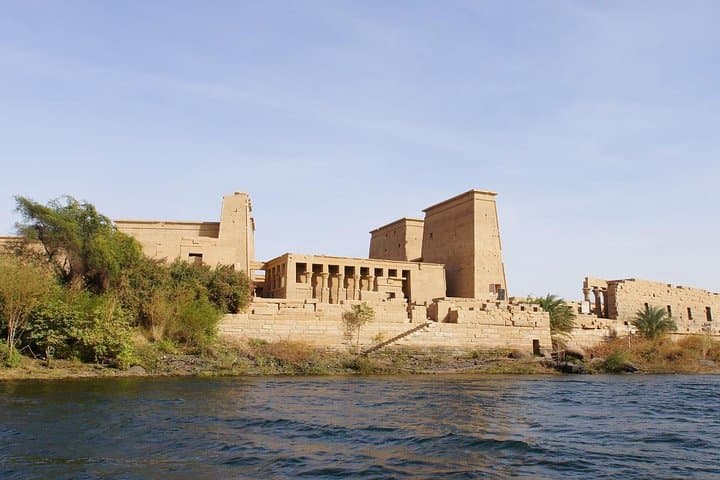
Philae was an island cult site for Isis from the Pharaonic era through Roman times. When the Aswan High Dam threatened to drown the complex, UNESCO moved the monuments block by block to their present island in a landmark preservation project. The temple stones show layers of Egyptian, Greek and Roman workmanship and offer clear, readable reliefs under the sun.
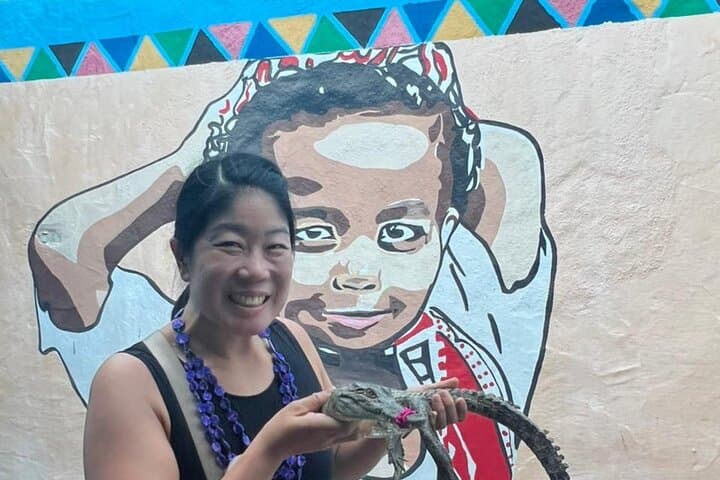
Across the water, Nubian life has its own rhythm. Soheil Island holds compact houses painted in bright pigments, shaded courtyards, and family-run stalls. Here you can watch henna applied, meet artisans, and see community-run crocodile shrines kept as cultural relics.
Practically, the day is a mixture of short boat hops and gentle walking on stone causeways and village lanes. Expect uneven steps at the temple, sandy paths in the village, and sun that intensifies after mid-morning. A local Egyptologist guides the history while boatmen handle navigation on the Nile.
Travel planning tips: schedule the tour early to avoid heat and crowds, bring cash for village purchases and tips, wear closed shoes for temple steps, and respect site rules by not climbing ruins or touching fragile carvings. The combination of river travel, layered history, and living culture makes this a compact, accessible Aswan experience for most travelers.
easy.
6–7 hours.
Minimal fitness required; participants should be able to walk short distances and manage steps.
Yes, the tour includes admission to the Philae temple complex as part of the private tour package.
Yes, private air-conditioned vehicle pickup and drop-off from hotels or the cruise are included; exact pickup time is confirmed after booking.
The tour is listed as suitable for all fitness levels and wheelchair accessible, but some uneven surfaces at sites may limit access; check specifics with the operator in advance.
Bring small bills for purchases and tips, a sense of cultural respect, and permission before photographing people or private courtyards.
Philae was a major pilgrimage center for Isis and survived through Roman and Byzantine periods; UNESCO relocated the monuments in the 1960s and 70s to save them from the High Dam reservoir.
Visitor management and the earlier UNESCO rescue underscore local conservation efforts; stay on paths, avoid touching carvings, and support community operators to keep tourism sustainable.
Look at Egypt Tours operates guided outdoor trips and adventures with an emphasis on safety, stewardship, and memorable experiences.
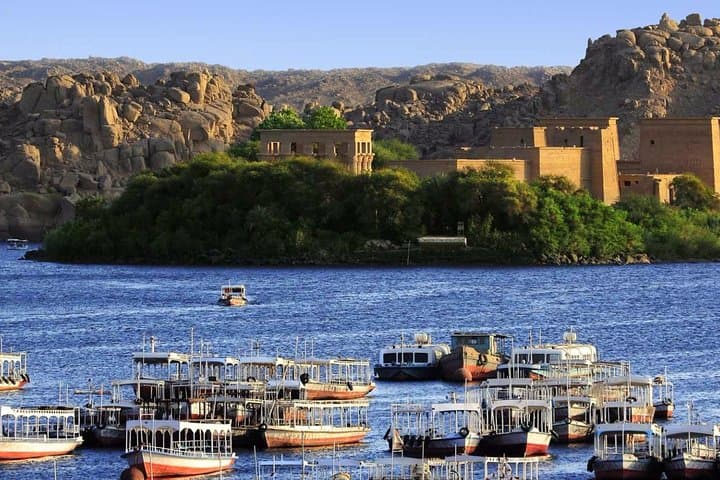

You push off from Aswan at first light, the Nile slipping past the motorboat like a slow mirror, date palms sliding ashore as the city dwindles behind. The air smells faintly of river mud and spice; gulls circle and the guide calls a greeting as Agilkia Island appears with low stone temples rising from green reeds.
You push off from Aswan at first light, the Nile slipping past the motorboat like a slow mirror, date palms sliding ashore as the city dwindles behind. The air smells faintly of river mud and spice; gulls circle and the guide calls a greeting as Agilkia Island appears with low stone temples rising from green reeds.
Philae was an island cult site for Isis from the Pharaonic era through Roman times. When the Aswan High Dam threatened to drown the complex, UNESCO moved the monuments block by block to their present island in a landmark preservation project. The temple stones show layers of Egyptian, Greek and Roman workmanship and offer clear, readable reliefs under the sun.
Across the water, Nubian life has its own rhythm. Soheil Island holds compact houses painted in bright pigments, shaded courtyards, and family-run stalls. Here you can watch henna applied, meet artisans, and see community-run crocodile shrines kept as cultural relics.
Practically, the day is a mixture of short boat hops and gentle walking on stone causeways and village lanes. Expect uneven steps at the temple, sandy paths in the village, and sun that intensifies after mid-morning. A local Egyptologist guides the history while boatmen handle navigation on the Nile.
Travel planning tips: schedule the tour early to avoid heat and crowds, bring cash for village purchases and tips, wear closed shoes for temple steps, and respect site rules by not climbing ruins or touching fragile carvings. The combination of river travel, layered history, and living culture makes this a compact, accessible Aswan experience for most travelers.