THE ADVENTURE COLLECTIVE® · Independent discovery and booking for outdoor travel

A private, door‑to‑door transfer from Eagle County Regional Airport to Glenwood Springs offers a comfortable 40‑minute route through the Roaring Fork Valley and Glenwood Canyon. Expect licensed drivers, luggage assistance and the chance to spot canyon geology and thermal‑resort landmarks on the drive in.
A private, door‑to‑door transfer from Eagle County Regional Airport to Glenwood Springs offers a comfortable 40‑minute route through the Roaring Fork Valley and Glenwood Canyon. Expect licensed drivers, luggage assistance and the chance to spot canyon geology and thermal‑resort landmarks on the drive in.
You step out of Eagle County Regional Airport into clear mountain air and a driver greets you with a name sign—your gateway from the airport to Glenwood Springs’ steaming pools and canyon walls. The route traces I‑70 and the Roaring Fork Valley; highway speeds give way to a narrowing corridor as the Colorado River tugs the road through Glenwood Canyon toward town.
Verified experiences and guided adventures in the surrounding area.
Operated by taxiGo Limo Airport Service · Glenwood Springs, Colorado
You step out of Eagle County Regional Airport into clear mountain air and a driver greets you with a name sign—your gateway from the airport to Glenwood Springs’ steaming pools and canyon walls. The route traces I‑70 and the Roaring Fork Valley; highway speeds give way to a narrowing corridor as the Colorado River tugs the road through Glenwood Canyon toward town.
This short drive threads regional history: ancestral Ute hunting grounds, 19th‑century railroad and highway engineering, and the rise of Glenwood’s thermal resorts that drew early tourists seeking mineral springs. Geology is on show—river-carved sandstone and shale flank the interstate, and talus slopes dip toward the water, evidence of the canyon’s slow, relentless erosion.
Local culture centers on outdoor recreation and hot springs hospitality. Drivers here usually know where to point out the Yampa and Roaring Fork confluences, popular trailheads, and the historic downtown strip with its bathhouses and café scene.
Practically, expect about a 40‑minute ride for roughly 40–45 miles depending on traffic. Vehicles are air‑conditioned, licensed, and can handle luggage and sports gear; child seats are available on request. In winter, mountain weather can slow I‑70—book buffer time if you have a tight schedule. Keep your booking confirmation and flight details handy so your driver can track arrivals. Hydrate after your flight and plan a short walk or soak on arrival to reset after travel. This transfer is straightforward but offers a compact introduction to the landscape and history that define Glenwood Springs.
easy.
35–50 minutes.
No special fitness required; suitable for travelers of all physical levels
Typical drive time is about 35–50 minutes depending on traffic and weather; the operator lists a fixed 40‑minute duration.
Yes—drivers meet passengers at arrivals with a name sign; provide your flight and arrival time when booking.
Yes—child and infant seats can be requested in advance; indicate ages when you book so the correct seat is provided.
Full refund is available if you cancel at least 24 hours before the scheduled pickup time; cancellations inside 24 hours are not refundable.
Glenwood Springs grew as a 19th‑century resort town around mineral springs and was later linked to Denver by railroad and highway construction through Glenwood Canyon.
Glenwood Canyon is managed to balance recreation and river ecology—stay on designated pullouts and avoid disturbing riparian vegetation to protect water quality and wildlife.
taxiGo Limo Airport Service operates guided outdoor trips and adventures with an emphasis on safety, stewardship, and memorable experiences.

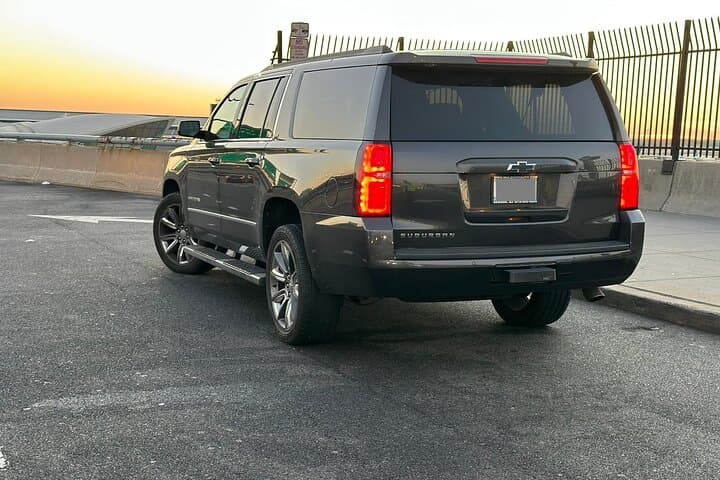


You step out of Eagle County Regional Airport into clear mountain air and a driver greets you with a name sign—your gateway from the airport to Glenwood Springs’ steaming pools and canyon walls. The route traces I‑70 and the Roaring Fork Valley; highway speeds give way to a narrowing corridor as the Colorado River tugs the road through Glenwood Canyon toward town.
You step out of Eagle County Regional Airport into clear mountain air and a driver greets you with a name sign—your gateway from the airport to Glenwood Springs’ steaming pools and canyon walls. The route traces I‑70 and the Roaring Fork Valley; highway speeds give way to a narrowing corridor as the Colorado River tugs the road through Glenwood Canyon toward town.
This short drive threads regional history: ancestral Ute hunting grounds, 19th‑century railroad and highway engineering, and the rise of Glenwood’s thermal resorts that drew early tourists seeking mineral springs. Geology is on show—river-carved sandstone and shale flank the interstate, and talus slopes dip toward the water, evidence of the canyon’s slow, relentless erosion.
Local culture centers on outdoor recreation and hot springs hospitality. Drivers here usually know where to point out the Yampa and Roaring Fork confluences, popular trailheads, and the historic downtown strip with its bathhouses and café scene.
Practically, expect about a 40‑minute ride for roughly 40–45 miles depending on traffic. Vehicles are air‑conditioned, licensed, and can handle luggage and sports gear; child seats are available on request. In winter, mountain weather can slow I‑70—book buffer time if you have a tight schedule. Keep your booking confirmation and flight details handy so your driver can track arrivals. Hydrate after your flight and plan a short walk or soak on arrival to reset after travel. This transfer is straightforward but offers a compact introduction to the landscape and history that define Glenwood Springs.