THE ADVENTURE COLLECTIVE® · Independent discovery and booking for outdoor travel

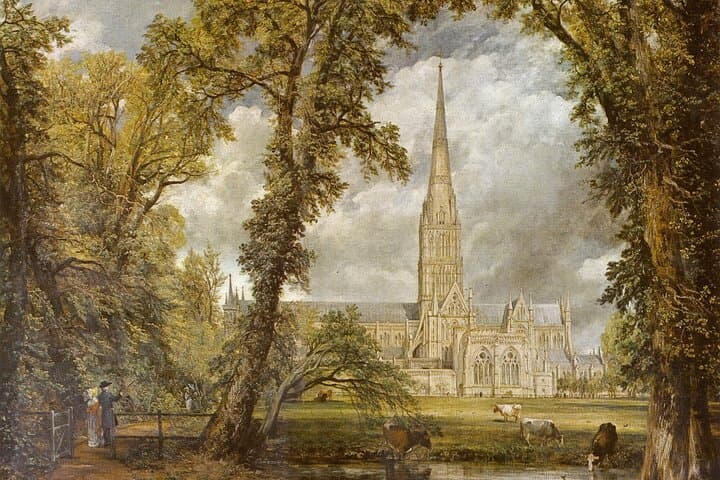
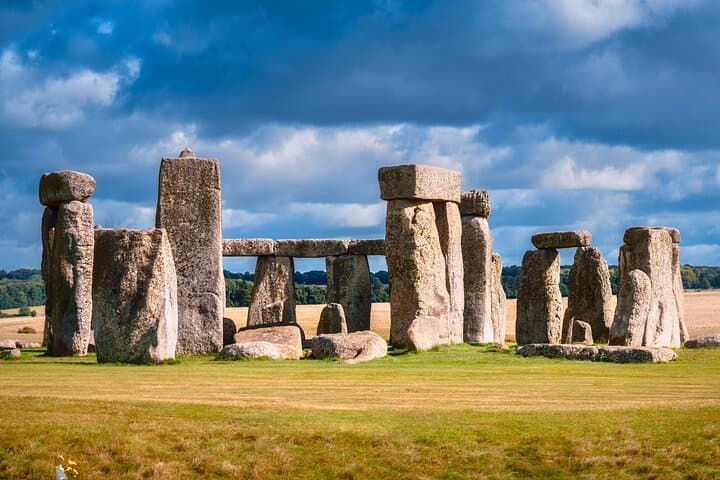
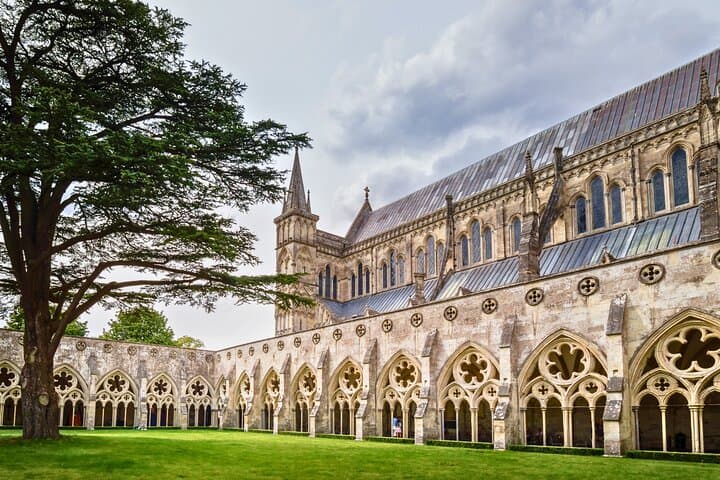
Spend a day with an expert archaeologist across Wiltshire’s most iconic Neolithic monuments. This private, chauffeured tour includes Stonehenge, Durrington Walls, West Kennet long barrow, Silbury Hill, Avebury and time in Salisbury Cathedral.
Spend a day with an expert archaeologist across Wiltshire’s most iconic Neolithic monuments. This private, chauffeured tour includes Stonehenge, Durrington Walls, West Kennet long barrow, Silbury Hill, Avebury and time in Salisbury Cathedral.
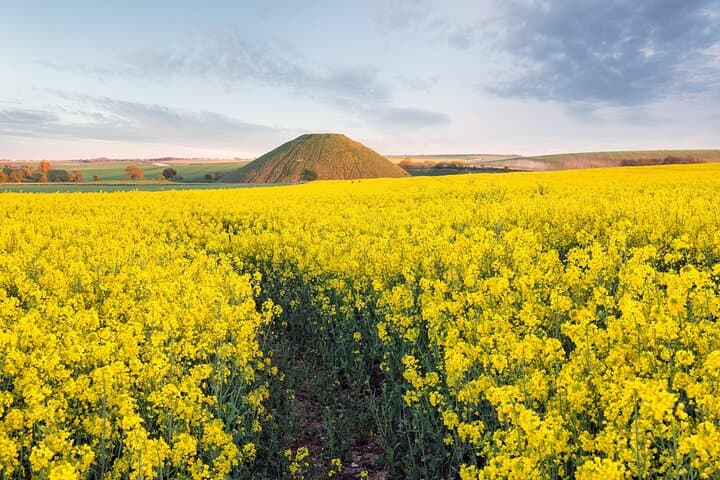
You step from a quiet Mercedes onto chalkland that has been moving under human feet for millennia. Wind pins itself against the upright stones, tossing grasses like a restless audience while your archaeologist guide narrows the past into vivid, explainable detail. The tour unfolds across Wiltshire’s broad downland—timber post-holes at Woodhenge, the domestic traces at Durrington Walls, the arranged silence of Stonehenge, then the low earth-rolled presence of Silbury Hill and the village-walled circle at Avebury.
Verified experiences and guided adventures in the surrounding area.
Operated by Archaeologist Guided Tours · Salisbury, Wiltshire
You step from a quiet Mercedes onto chalkland that has been moving under human feet for millennia. Wind pins itself against the upright stones, tossing grasses like a restless audience while your archaeologist guide narrows the past into vivid, explainable detail. The tour unfolds across Wiltshire’s broad downland—timber post-holes at Woodhenge, the domestic traces at Durrington Walls, the arranged silence of Stonehenge, then the low earth-rolled presence of Silbury Hill and the village-walled circle at Avebury.
These sites span the Late Neolithic and Bronze Age: communal engineering projects built between c. 3750–2400 BC using chalk, post, and sarsen stone. Geology matters here—the chalk bedrock drains quickly, shaping the rounded hills and preserving dry burial mounds. Culture remains visible in village layouts, cathedral spires in Salisbury, and the lived-in medieval heart of Avebury.
Expect a mix of short walks and standing-room history: entrances into West Kennet long barrow, views across the stone avenues, and time at Salisbury Cathedral to see the Magna Carta. Your guide interprets excavation evidence, ritual use hypotheses, and recent finds while a professional driver handles the coastal lanes and narrow parish roads.
Practical guidance: this is an all-day, largely low-impact experience with uneven paths and occasional muddy patches—sturdy walking shoes and layered waterproofs are non-negotiable. Bring water, a packed lunch or plan a pub stop in Avebury, and allow your guide to lead the pacing. Early starts avoid crowds; winter visits need torque on daylight. With context-rich narration and transport included, the day balances archaeology, geology, and plain English practicality to make ancient choices feel current again.
easy.
10–11 hours.
Suitable for most fitness levels; involves moderate walking on uneven ground and some short climbs/steps.
Expect several short walks (10–30 minutes each) over uneven terrain; the full day includes standing and walking at multiple sites but no long hikes.
Stonehenge and museum admission are not included by default in some itineraries—confirm with the operator; access to West Kennet long barrow is seasonal (Mar–Oct).
Transport is accessible and some sites have limited access; collapsible wheelchairs may be accommodated but assistance for boarding may be required.
Children are welcome but must be accompanied by an adult; supervise them around monuments and road crossings.
Wiltshire’s monuments were created by organized, long-term communal labor in the Neolithic and Bronze Age; the area remained significant through medieval Salisbury where the Cathedral and Magna Carta survive as later cultural layers.
Sites are managed by English Heritage and the National Trust; staying on paths, following guidance, and minimizing noise help protect fragile turf and archaeological deposits.
Archaeologist Guided Tours operates guided outdoor trips and adventures with an emphasis on safety, stewardship, and memorable experiences.
You step from a quiet Mercedes onto chalkland that has been moving under human feet for millennia. Wind pins itself against the upright stones, tossing grasses like a restless audience while your archaeologist guide narrows the past into vivid, explainable detail. The tour unfolds across Wiltshire’s broad downland—timber post-holes at Woodhenge, the domestic traces at Durrington Walls, the arranged silence of Stonehenge, then the low earth-rolled presence of Silbury Hill and the village-walled circle at Avebury.
You step from a quiet Mercedes onto chalkland that has been moving under human feet for millennia. Wind pins itself against the upright stones, tossing grasses like a restless audience while your archaeologist guide narrows the past into vivid, explainable detail. The tour unfolds across Wiltshire’s broad downland—timber post-holes at Woodhenge, the domestic traces at Durrington Walls, the arranged silence of Stonehenge, then the low earth-rolled presence of Silbury Hill and the village-walled circle at Avebury.
These sites span the Late Neolithic and Bronze Age: communal engineering projects built between c. 3750–2400 BC using chalk, post, and sarsen stone. Geology matters here—the chalk bedrock drains quickly, shaping the rounded hills and preserving dry burial mounds. Culture remains visible in village layouts, cathedral spires in Salisbury, and the lived-in medieval heart of Avebury.
Expect a mix of short walks and standing-room history: entrances into West Kennet long barrow, views across the stone avenues, and time at Salisbury Cathedral to see the Magna Carta. Your guide interprets excavation evidence, ritual use hypotheses, and recent finds while a professional driver handles the coastal lanes and narrow parish roads.
Practical guidance: this is an all-day, largely low-impact experience with uneven paths and occasional muddy patches—sturdy walking shoes and layered waterproofs are non-negotiable. Bring water, a packed lunch or plan a pub stop in Avebury, and allow your guide to lead the pacing. Early starts avoid crowds; winter visits need torque on daylight. With context-rich narration and transport included, the day balances archaeology, geology, and plain English practicality to make ancient choices feel current again.