THE ADVENTURE COLLECTIVE® · Independent discovery and booking for outdoor travel

Walk Pompeii’s streets with a private archaeologist and see Roman daily life preserved under ash. In two hours you’ll visit bakeries, baths, and theaters while learning the geological and cultural story behind the ruins.
Walk Pompeii’s streets with a private archaeologist and see Roman daily life preserved under ash. In two hours you’ll visit bakeries, baths, and theaters while learning the geological and cultural story behind the ruins.
You step off the modern pavement and into streets frozen by ash: rimmed stone gutters, plaster casts of lives interrupted, mosaics that still catch light. A private archaeologist guides your pace, pointing out a baker’s oven here, the faded graffiti of a political campaign there, while Mount Vesuvius broods beyond the skyline like a geological actor in the background.
Verified experiences and guided adventures in the surrounding area.
Operated by TASTETHEXPERIENCE · Pompeii, Campania
You step off the modern pavement and into streets frozen by ash: rimmed stone gutters, plaster casts of lives interrupted, mosaics that still catch light. A private archaeologist guides your pace, pointing out a baker’s oven here, the faded graffiti of a political campaign there, while Mount Vesuvius broods beyond the skyline like a geological actor in the background.
Pompeii was buried in 79 AD by a sudden pyroclastic surge from Vesuvius that both destroyed and preserved an entire Roman town. The city’s grid of cardo and decumanus, public baths, and houses reveal daily Roman routines—commerce, worship, entertainment—suspended mid-routine. The volcanic tuff that sealed Pompeii is the reason archaeologists can read daily life so clearly; stratigraphy and layers of ash are literal pages of history.
Culturally, Pompeii offers an intimate view of Roman urban life: public baths that regulated social rhythm, small lararia where households worshipped, and theaters that still shape Mediterranean performance traditions.
Practical guidance: this is a two-hour walking tour on mostly flat ancient paving stones—expect uneven surfaces and short stair sections. Admission to the site is typically not included; confirm when booking. Wear sturdy shoes, bring water and sun protection, and plan mornings or late afternoons to avoid peak heat and crowds. Ask your archaeologist about plaster cast locations, recent excavations, and how conservation teams manage erosion and visitor impact. A private guide turns signs and stones into narrative: the past becomes readable, immediate, and surprisingly human.
easy.
2 hours.
Suitable for most fitness levels; requires walking on uneven ancient pavements for up to two hours.
Not always—this specific tour notes that admission is not included, so confirm at booking and bring printed or mobile tickets if required.
Pompeii has uneven cobbles and some steps; parts of the site are difficult for wheelchair users—contact the operator to discuss accessible routing options.
Guides often offer English and Italian; check the listing or request your preferred language when booking to confirm availability.
Photography for personal use is generally allowed, but flash or tripods may be restricted—obey site signage and guide instructions.
Pompeii’s rapid burial by the 79 AD eruption created a time capsule: ash sealed buildings and organic materials, allowing exceptional archaeological preservation.
Ongoing conservation balances public access with preservation—visitors are encouraged to stay on paths and avoid touching frescoes or mosaics to limit wear.
TASTETHEXPERIENCE operates guided outdoor trips and adventures with an emphasis on safety, stewardship, and memorable experiences.
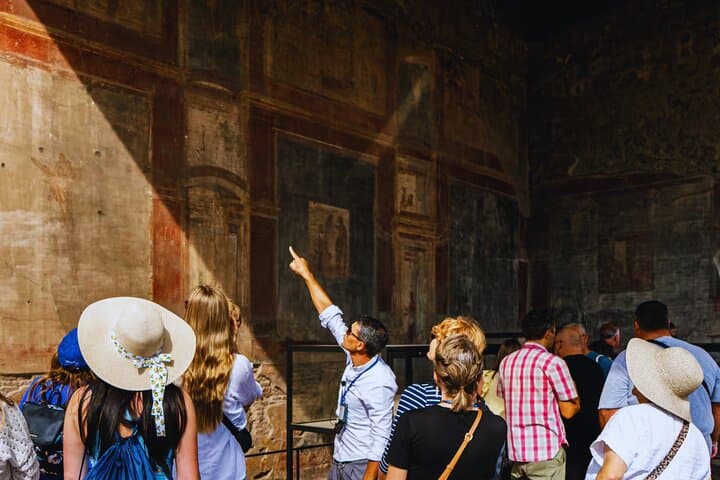
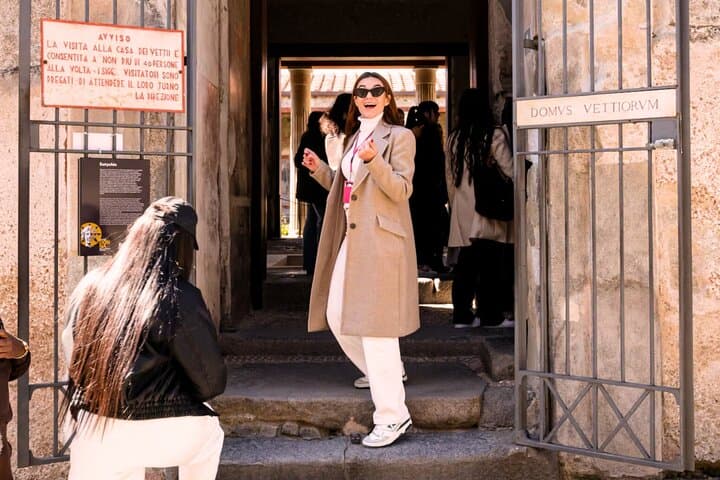
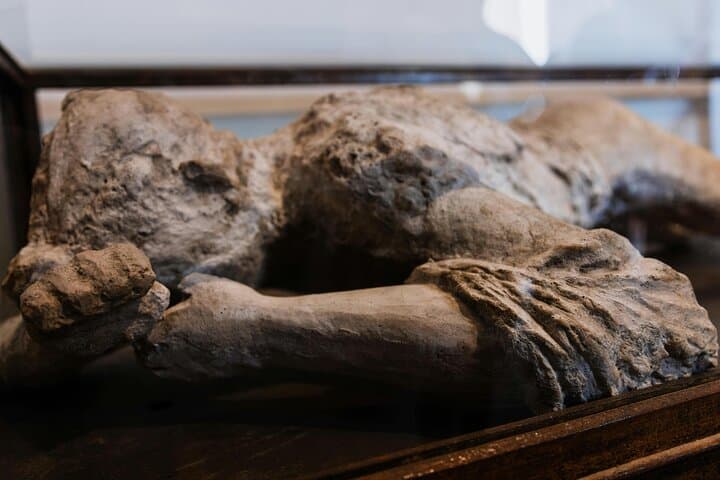

You step off the modern pavement and into streets frozen by ash: rimmed stone gutters, plaster casts of lives interrupted, mosaics that still catch light. A private archaeologist guides your pace, pointing out a baker’s oven here, the faded graffiti of a political campaign there, while Mount Vesuvius broods beyond the skyline like a geological actor in the background.
You step off the modern pavement and into streets frozen by ash: rimmed stone gutters, plaster casts of lives interrupted, mosaics that still catch light. A private archaeologist guides your pace, pointing out a baker’s oven here, the faded graffiti of a political campaign there, while Mount Vesuvius broods beyond the skyline like a geological actor in the background.
Pompeii was buried in 79 AD by a sudden pyroclastic surge from Vesuvius that both destroyed and preserved an entire Roman town. The city’s grid of cardo and decumanus, public baths, and houses reveal daily Roman routines—commerce, worship, entertainment—suspended mid-routine. The volcanic tuff that sealed Pompeii is the reason archaeologists can read daily life so clearly; stratigraphy and layers of ash are literal pages of history.
Culturally, Pompeii offers an intimate view of Roman urban life: public baths that regulated social rhythm, small lararia where households worshipped, and theaters that still shape Mediterranean performance traditions.
Practical guidance: this is a two-hour walking tour on mostly flat ancient paving stones—expect uneven surfaces and short stair sections. Admission to the site is typically not included; confirm when booking. Wear sturdy shoes, bring water and sun protection, and plan mornings or late afternoons to avoid peak heat and crowds. Ask your archaeologist about plaster cast locations, recent excavations, and how conservation teams manage erosion and visitor impact. A private guide turns signs and stones into narrative: the past becomes readable, immediate, and surprisingly human.