THE ADVENTURE COLLECTIVE® · Independent discovery and booking for outdoor travel

Spend a day tracing Sicily’s Arab-Norman legacy from the busy markets of Palermo to the gilded mosaics of Monreale and the sea‑facing cathedral of Cefalù. This private full-day tour covers major UNESCO sites with door-to-door transport and local insight.
Spend a day tracing Sicily’s Arab-Norman legacy from the busy markets of Palermo to the gilded mosaics of Monreale and the sea‑facing cathedral of Cefalù. This private full-day tour covers major UNESCO sites with door-to-door transport and local insight.
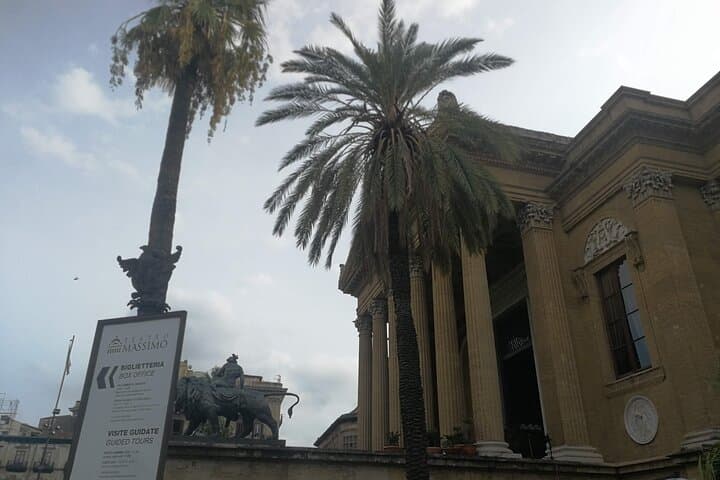
A morning in Palermo begins at the narrow edge of a market stall where citrus scent and shouted prices stake their claim to the day. The guide eases the group through Ballarò’s packed aisles—vendors call, wooden crates shift—and the city’s layered past reveals itself in stone façades at Quattro Canti and the marble fountain of Piazza Pretoria.
Verified experiences and guided adventures in the surrounding area.
Operated by NonSoloTransfer · Palermo, Sicily
A morning in Palermo begins at the narrow edge of a market stall where citrus scent and shouted prices stake their claim to the day. The guide eases the group through Ballarò’s packed aisles—vendors call, wooden crates shift—and the city’s layered past reveals itself in stone façades at Quattro Canti and the marble fountain of Piazza Pretoria.
History sits visibly here: Palermo’s Arab-Norman architecture reflects centuries of Islamic, Byzantine and Norman rule, a hybrid language of arches, mosaics and lime-washed walls. Monreale’s cathedral opens like a jewel box—gold Byzantine mosaics spreading across apse and nave—while Cefalù offers a different note, the Romanesque Duomo framed by twin towers and the hulking Rocca rising behind the old town.
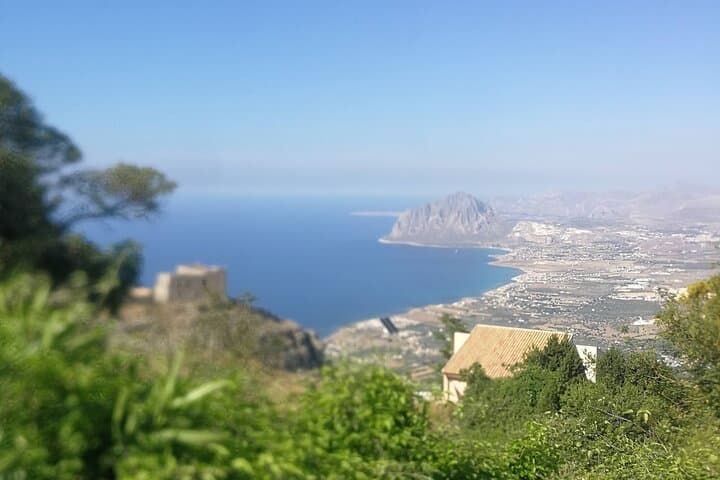
Geology and coast meet in Cefalù where the Tyrrhenian Sea pushes light across pebbled beaches and limestone escarpments; the town is part of Madonie’s wider uplands that slope toward the shore. Local culture is tactile: street food in Vucciria, cathedral cloisters, and small workshops where ceramics and sweets are still made by hand.
Practical edge: this private, door-to-door tour runs about 10 hours by air-conditioned vehicle (max 6 people), with bottled water provided but cathedral admissions are typically not included. Wear comfortably broken-in shoes for cobbles and steps, bring a lightweight layer for interiors, and plan for busy summer crowds—early departures make the day smoother. The itinerary is intense but designed so visitors can see three UNESCO-recognized sites and historic Palermo in a single, well-paced day.
easy.
10 hours (full day).
Light level of fitness: mostly walking on flat streets with some stairs; suitable for most visitors.
Admissions are typically not included; the tour covers exterior and guided viewing but some sites may charge entrance fees payable on-site.
This is a private tour with a maximum of six passengers per vehicle; pricing is per vehicle rather than per person.
Yes—infant seats are available and the vehicle is stroller-accessible, but expect walking and stairs at historic sites.
Special requirements are collected during booking; the operator provides door-to-door service and can adapt the pace, but some sites have limited wheelchair access.
The Arab-Norman monuments of Palermo, Monreale and Cefalù reflect a unique fusion of Norman, Byzantine and Islamic artistic traditions and were inscribed as UNESCO World Heritage in 2015.
High visitor pressure at UNESCO sites makes respectful behavior important—avoid touching mosaics, follow marked paths, and support local businesses to keep tourism sustainable.
NonSoloTransfer operates guided outdoor trips and adventures with an emphasis on safety, stewardship, and memorable experiences.
A morning in Palermo begins at the narrow edge of a market stall where citrus scent and shouted prices stake their claim to the day. The guide eases the group through Ballarò’s packed aisles—vendors call, wooden crates shift—and the city’s layered past reveals itself in stone façades at Quattro Canti and the marble fountain of Piazza Pretoria.
A morning in Palermo begins at the narrow edge of a market stall where citrus scent and shouted prices stake their claim to the day. The guide eases the group through Ballarò’s packed aisles—vendors call, wooden crates shift—and the city’s layered past reveals itself in stone façades at Quattro Canti and the marble fountain of Piazza Pretoria.
History sits visibly here: Palermo’s Arab-Norman architecture reflects centuries of Islamic, Byzantine and Norman rule, a hybrid language of arches, mosaics and lime-washed walls. Monreale’s cathedral opens like a jewel box—gold Byzantine mosaics spreading across apse and nave—while Cefalù offers a different note, the Romanesque Duomo framed by twin towers and the hulking Rocca rising behind the old town.
Geology and coast meet in Cefalù where the Tyrrhenian Sea pushes light across pebbled beaches and limestone escarpments; the town is part of Madonie’s wider uplands that slope toward the shore. Local culture is tactile: street food in Vucciria, cathedral cloisters, and small workshops where ceramics and sweets are still made by hand.
Practical edge: this private, door-to-door tour runs about 10 hours by air-conditioned vehicle (max 6 people), with bottled water provided but cathedral admissions are typically not included. Wear comfortably broken-in shoes for cobbles and steps, bring a lightweight layer for interiors, and plan for busy summer crowds—early departures make the day smoother. The itinerary is intense but designed so visitors can see three UNESCO-recognized sites and historic Palermo in a single, well-paced day.