THE ADVENTURE COLLECTIVE® · Independent discovery and booking for outdoor travel

Spend a day three hours outside Bucharest at a working apiary where beekeeping lessons, a harvesting demo and a locally sourced lunch reveal how bees shape rural life. This private, hands-on tour combines natural history, practical skills and taste testing of regional honey.
Spend a day three hours outside Bucharest at a working apiary where beekeeping lessons, a harvesting demo and a locally sourced lunch reveal how bees shape rural life. This private, hands-on tour combines natural history, practical skills and taste testing of regional honey.
You step out of the air-conditioned minivan and the countryside opens in wide, breathing fields; the hum of bees threads through the air like a low, purposeful conversation. A small apiary sits on a sun-warmed slope three hours from Bucharest—when the suits come off and the frames lift, the colony becomes a living classroom.
Verified experiences and guided adventures in the surrounding area.
Operated by Romania Driver and Guide · Bucharest, Bucharest
You step out of the air-conditioned minivan and the countryside opens in wide, breathing fields; the hum of bees threads through the air like a low, purposeful conversation. A small apiary sits on a sun-warmed slope three hours from Bucharest—when the suits come off and the frames lift, the colony becomes a living classroom.
Romania has deep apicultural roots: beekeeping here mixes traditional wooden hives and family practice with modern techniques. The region’s gently rolling soils and diverse wildflowers—meadow vetchling, clover and linden—feed polyfloral honey that varies by season. Geologically the area is lowland plain and forest edge, where loamy soils and hedgerows support both pollinators and passerine birds.
The guided experience is hands-on but measured: you’ll learn colony behavior, see a full-hive demonstration, and watch the harvest process with protective gear provided. Cultural context appears at the lunch table—ecological rural fare and local honey products presented alongside stories about communal beekeeping and seasonal cycles.
Practical notes: the tour runs roughly 8–9 hours including travel; expect some walking over uneven, grassy ground and brief standing at the hives. Dress in light long sleeves, closed shoes and neutral scent—bees respond to strong perfumes. Bring a camera with a zoom and a small daypack for sunscreen, water and any layers. If you have allergies, notify your guide in advance and carry an epipen if prescribed. The visit supports small-scale apiculture; observe quietly, follow instructions around the hives, and you’ll leave with a clearer sense of how bees shape landscape and local livelihoods.
easy.
8–9 hours.
Suitable for most fitness levels; involves short walks on uneven grassy ground and standing during demonstrations
Properly managed honey bees are not aggressive when handled correctly; guides provide protective equipment and clear instructions—however, stings can occur, so follow directions closely.
Yes—private air-conditioned transport is provided from Bucharest as part of the tour inclusions.
The activity is family-friendly and listed as physically easy, but parents should assess comfort with bees and follow operator guidance; notify the guide about children during booking.
Lunch, snacks and bottled water are included; the meal highlights traditional, ecologically sourced Romanian foods and local honey products for tasting.
Beekeeping is an established rural craft in Romania; traditional hive styles and family apiaries have supplied local markets for generations.
Supporting small apiaries helps local economies and pollinator health; stay on designated paths, avoid disturbing feral nests, and accept guidance on interacting with hives to minimize stress on colonies.
Romania Driver and Guide operates guided outdoor trips and adventures with an emphasis on safety, stewardship, and memorable experiences.
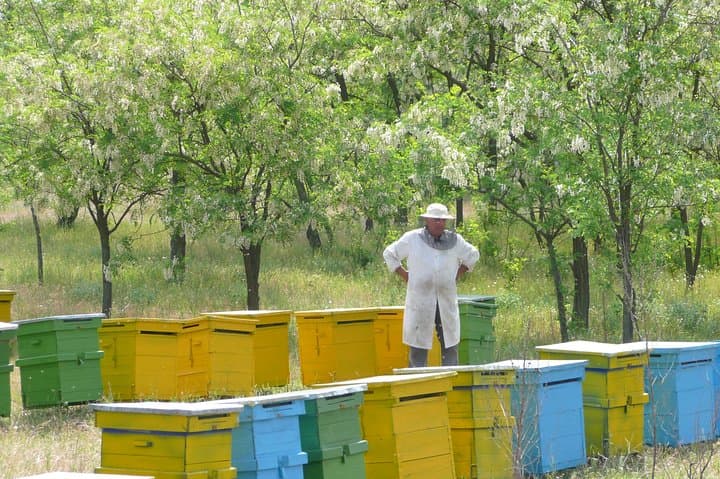
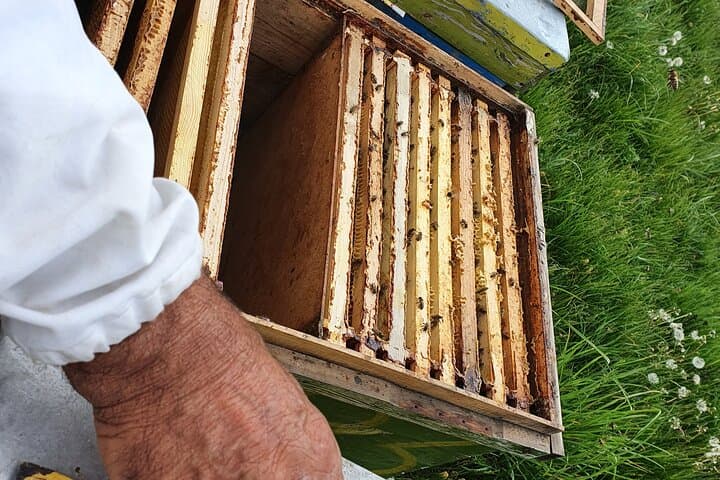
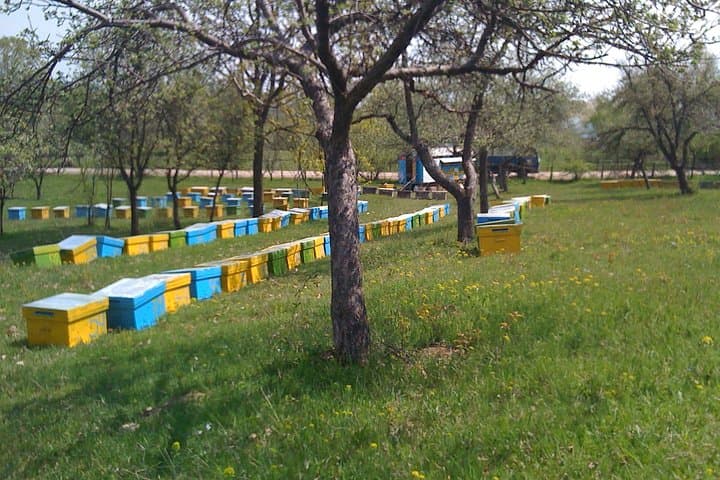
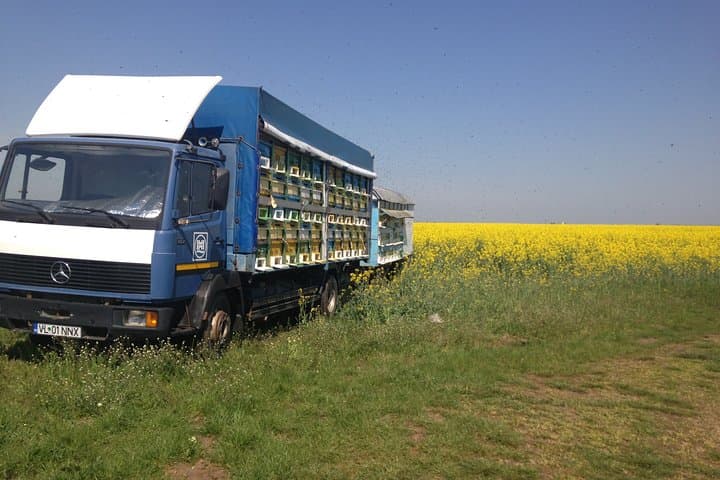
You step out of the air-conditioned minivan and the countryside opens in wide, breathing fields; the hum of bees threads through the air like a low, purposeful conversation. A small apiary sits on a sun-warmed slope three hours from Bucharest—when the suits come off and the frames lift, the colony becomes a living classroom.
You step out of the air-conditioned minivan and the countryside opens in wide, breathing fields; the hum of bees threads through the air like a low, purposeful conversation. A small apiary sits on a sun-warmed slope three hours from Bucharest—when the suits come off and the frames lift, the colony becomes a living classroom.
Romania has deep apicultural roots: beekeeping here mixes traditional wooden hives and family practice with modern techniques. The region’s gently rolling soils and diverse wildflowers—meadow vetchling, clover and linden—feed polyfloral honey that varies by season. Geologically the area is lowland plain and forest edge, where loamy soils and hedgerows support both pollinators and passerine birds.
The guided experience is hands-on but measured: you’ll learn colony behavior, see a full-hive demonstration, and watch the harvest process with protective gear provided. Cultural context appears at the lunch table—ecological rural fare and local honey products presented alongside stories about communal beekeeping and seasonal cycles.
Practical notes: the tour runs roughly 8–9 hours including travel; expect some walking over uneven, grassy ground and brief standing at the hives. Dress in light long sleeves, closed shoes and neutral scent—bees respond to strong perfumes. Bring a camera with a zoom and a small daypack for sunscreen, water and any layers. If you have allergies, notify your guide in advance and carry an epipen if prescribed. The visit supports small-scale apiculture; observe quietly, follow instructions around the hives, and you’ll leave with a clearer sense of how bees shape landscape and local livelihoods.