THE ADVENTURE COLLECTIVE® · Independent discovery and booking for outdoor travel

Leave Bucharest for an 8‑hour private apiary tour where rural beekeepers reveal hive mechanics, harvest techniques and regional honey flavors. Expect a 2–3 hour drive, hands‑on demos, a traditional lunch and tasting of local honeys.
Leave Bucharest for an 8‑hour private apiary tour where rural beekeepers reveal hive mechanics, harvest techniques and regional honey flavors. Expect a 2–3 hour drive, hands‑on demos, a traditional lunch and tasting of local honeys.
The morning drive peels away Bucharest’s city grid and opens into patchwork fields and low woodlands; by the time the road narrows to a single track you can hear the hum before you see it. Arriving at a family apiary, guests step into a working landscape where hives sit in sunlit clearings, watchdogs patrol the fence line, and the meadows dare you to slow your pace and listen.
Verified experiences and guided adventures in the surrounding area.
Operated by Romania Private Guide · Bucharest, Bucharest
The morning drive peels away Bucharest’s city grid and opens into patchwork fields and low woodlands; by the time the road narrows to a single track you can hear the hum before you see it. Arriving at a family apiary, guests step into a working landscape where hives sit in sunlit clearings, watchdogs patrol the fence line, and the meadows dare you to slow your pace and listen.
Beekeeping in Romania is rooted in centuries of rural practice — smallholders and mountain shepherds relied on honey for sweetening, medicine, and trade. Geology of the regions you’ll pass through varies from river valleys to low karst ridges, feeding diverse nectar sources: acacia, linden, meadow wildflowers and forest honey. The guide explains hive architecture, swarm behavior and the seasonal rhythm that drives harvests. Cultural notes include traditional wooden frames and a lunch of local, farm-sourced dishes paired with multiple honey varietals for tasting.
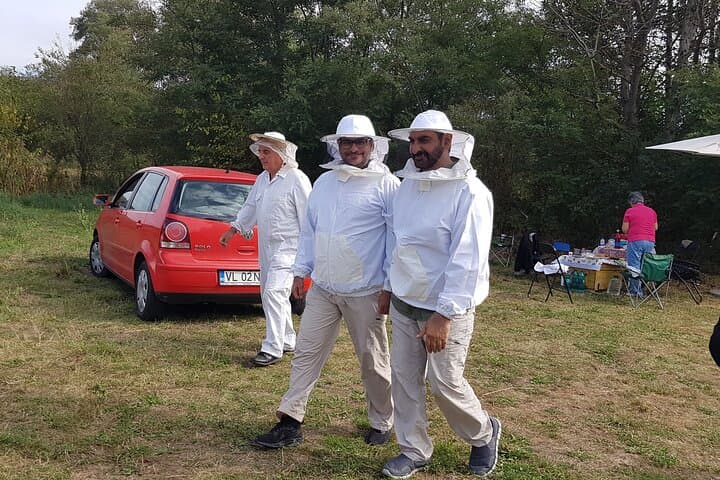
Practical guidance is woven throughout: the day includes a 2–3 hour round trip drive, around three hours at the apiary for demonstrations and tastings, and a sit-down traditional lunch. This experience runs March–September; it’s unsuitable for those with bee venom allergies and not recommended for pregnant travelers. Wear light-colored, breathable long sleeves, closed-toe shoes, and bring sun protection and a camera. Expect standing during demonstrations, close encounters with hives (with protective gear provided as needed), and hands-on slices of rural Romanian life. The tour favors curiosity over exertion — it’s an immersive, slow-paced day that teaches how bees shape landscapes, livelihoods and local cuisine.
easy.
8–9 hours.
Suitable for most fitness levels; requires standing during demonstrations and tolerance for short walks on uneven ground.
Typical drive time is about 2–3 hours each way depending on traffic; the tour includes private car transport.
Guides provide protective gear when demonstrations require close hive inspection; light, protective clothing from guests is recommended.
Families are welcome but check age restrictions with the operator; children should be supervised and kept calm around hives.
Price usually covers private transport, a licensed English‑speaking guide/driver, lunch, tastings and applicable fees and taxes.
Romanian apiculture stretches back through peasant and mountain traditions; wooden hives and family‑run apiaries have long supplied local markets and folk remedies.
Small apiaries support local biodiversity and traditional farming; guests should respect no‑spray zones and avoid disturbing forage areas to protect pollinators.
Romania Private Guide operates guided outdoor trips and adventures with an emphasis on safety, stewardship, and memorable experiences.
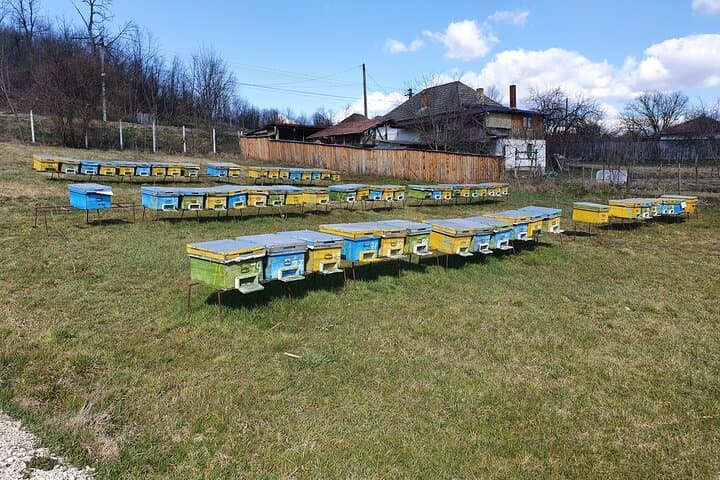
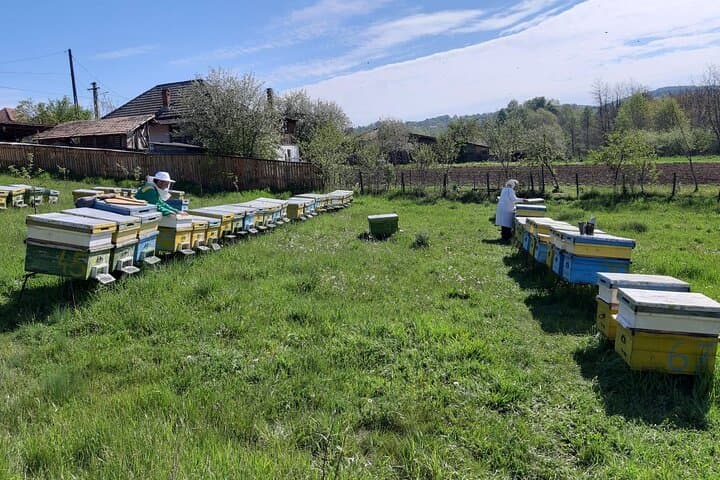
The morning drive peels away Bucharest’s city grid and opens into patchwork fields and low woodlands; by the time the road narrows to a single track you can hear the hum before you see it. Arriving at a family apiary, guests step into a working landscape where hives sit in sunlit clearings, watchdogs patrol the fence line, and the meadows dare you to slow your pace and listen.
The morning drive peels away Bucharest’s city grid and opens into patchwork fields and low woodlands; by the time the road narrows to a single track you can hear the hum before you see it. Arriving at a family apiary, guests step into a working landscape where hives sit in sunlit clearings, watchdogs patrol the fence line, and the meadows dare you to slow your pace and listen.
Beekeeping in Romania is rooted in centuries of rural practice — smallholders and mountain shepherds relied on honey for sweetening, medicine, and trade. Geology of the regions you’ll pass through varies from river valleys to low karst ridges, feeding diverse nectar sources: acacia, linden, meadow wildflowers and forest honey. The guide explains hive architecture, swarm behavior and the seasonal rhythm that drives harvests. Cultural notes include traditional wooden frames and a lunch of local, farm-sourced dishes paired with multiple honey varietals for tasting.
Practical guidance is woven throughout: the day includes a 2–3 hour round trip drive, around three hours at the apiary for demonstrations and tastings, and a sit-down traditional lunch. This experience runs March–September; it’s unsuitable for those with bee venom allergies and not recommended for pregnant travelers. Wear light-colored, breathable long sleeves, closed-toe shoes, and bring sun protection and a camera. Expect standing during demonstrations, close encounters with hives (with protective gear provided as needed), and hands-on slices of rural Romanian life. The tour favors curiosity over exertion — it’s an immersive, slow-paced day that teaches how bees shape landscapes, livelihoods and local cuisine.