THE ADVENTURE COLLECTIVE® · Independent discovery and booking for outdoor travel

Zip from leafy Stadspark through medieval lanes to towering container terminals on a private Vespa run that pairs city heritage with raw port mechanics. Expect vivid scents, guided logistics stories, and a 2.5–3.5 hour route that balances calm streets and industrial drama.
Zip from leafy Stadspark through medieval lanes to towering container terminals on a private Vespa run that pairs city heritage with raw port mechanics. Expect vivid scents, guided logistics stories, and a 2.5–3.5 hour route that balances calm streets and industrial drama.
You clip on a helmet by Stadspark, Vespas lined like chrome beetles, and the city exhales: gull calls, distant container clanks, the hum of scooters cutting through a warm Scheldt breeze.
Verified experiences and guided adventures in the surrounding area.
Operated by Antwerp Port Tours · Antwerp, Antwerp
You clip on a helmet by Stadspark, Vespas lined like chrome beetles, and the city exhales: gull calls, distant container clanks, the hum of scooters cutting through a warm Scheldt breeze.
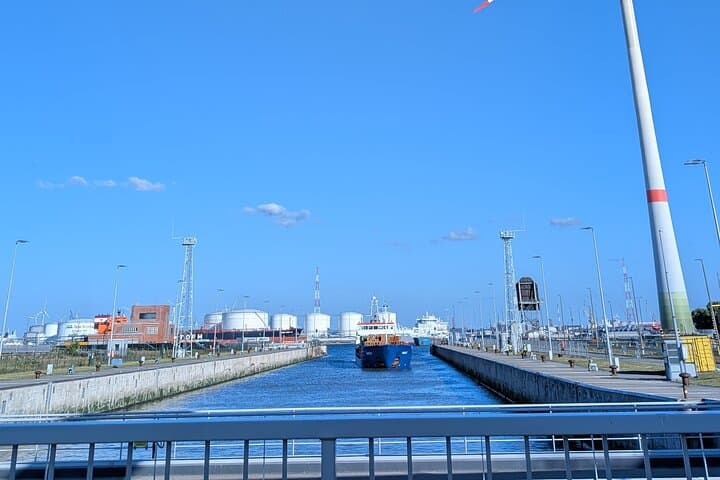
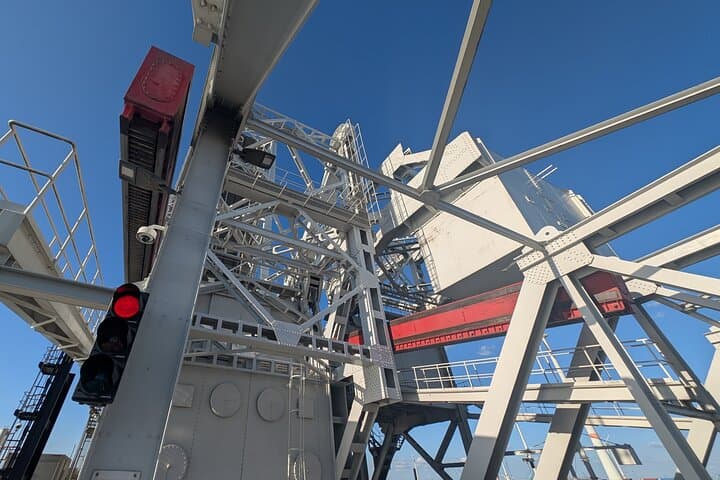
The ride threads medieval guild gables, the terracotta rise of the MAS, and Het Eilandje’s red-brick warehouses before the landscape opens into cranes and container canyons. Antwerp’s port has fed Europe for centuries—merchant ships offloaded spices and timber here long before the megadocks and the Kieldrecht Lock reshaped the river’s mouth. Along the route your guide will splice social history—Red Star Line emigration, labor lore—into technical snapshots of modern logistics: stacking cranes, reefer lines, and hump-yard shunting.
Geology and tide govern everything; the Scheldt’s estuary swells with tidal pulses, and pocket wetlands like Kuifeend hold on amid concrete, offering brief, bird-filled silence. Culture in Antwerp moves between the coffee silos and the quay cafés where crews swap stories and import manifests.
Practical edge: the tour runs about 2.5–3.5 hours and is paced for mixed riders—brief warm-up drills in a quiet lane, then open-road segments with occasional heavy truck traffic near terminals. Helmets, basic riding comfort, and attentiveness to your guide’s convoy signals are critical. Bring closed-toe shoes, a wind layer, and a charged camera; choose early morning or late afternoon for cooler light and quieter docks. Not recommended for people with serious spinal issues; drivers must meet minimum age rules. Follow local rules, keep speeds sensible near pedestrians, and you’ll leave with a new appreciation for how a city and a port can push and protect one another.
easy.
2.5–3.5 hours.
Suitable for people in regular, general fitness—ability to mount and balance a scooter and hold position for a few hours is required.
Minimum driver requirements apply; drivers must meet the operator age (often 26) and hold the appropriate license for powered scooters—confirm with the provider before booking.
Each Vespa accommodates one driver and one passenger; passengers typically must meet a minimum age (about 16) and be able to mount and hold on securely.
Tours may be canceled or rescheduled due to heavy rain or unsafe conditions; the provider usually allows a full refund if canceled at least 24 hours before departure.
Not recommended for travelers with spinal injuries or severe back issues since scooter vibration and road surfaces can aggravate conditions.
Antwerp’s port evolved from medieval shipyards into one of Europe’s busiest gateways; the Red Star Line terminal here once sent millions to North America and echoes in the city’s maritime culture.
Port engineers coordinate dredging and nesting-season protections, and small wetland pockets are managed to balance industrial activity with habitat preservation.
Antwerp Port Tours operates guided outdoor trips and adventures with an emphasis on safety, stewardship, and memorable experiences.
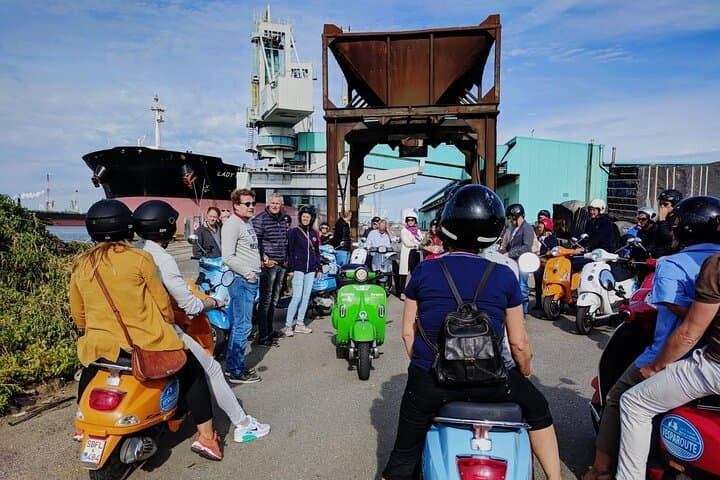
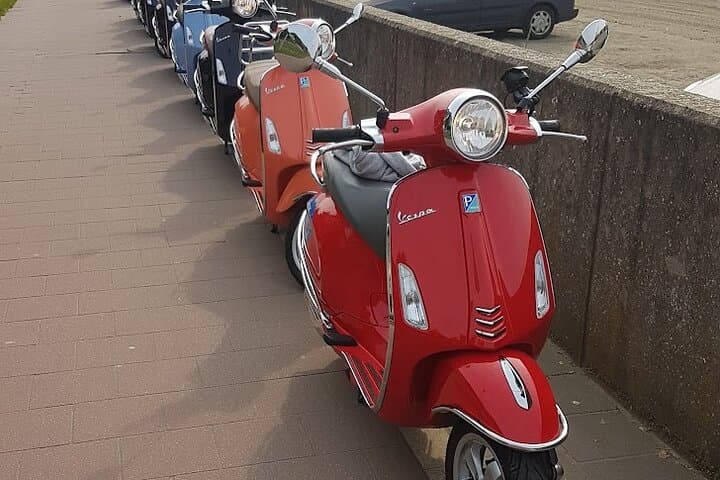
You clip on a helmet by Stadspark, Vespas lined like chrome beetles, and the city exhales: gull calls, distant container clanks, the hum of scooters cutting through a warm Scheldt breeze.
You clip on a helmet by Stadspark, Vespas lined like chrome beetles, and the city exhales: gull calls, distant container clanks, the hum of scooters cutting through a warm Scheldt breeze.
The ride threads medieval guild gables, the terracotta rise of the MAS, and Het Eilandje’s red-brick warehouses before the landscape opens into cranes and container canyons. Antwerp’s port has fed Europe for centuries—merchant ships offloaded spices and timber here long before the megadocks and the Kieldrecht Lock reshaped the river’s mouth. Along the route your guide will splice social history—Red Star Line emigration, labor lore—into technical snapshots of modern logistics: stacking cranes, reefer lines, and hump-yard shunting.
Geology and tide govern everything; the Scheldt’s estuary swells with tidal pulses, and pocket wetlands like Kuifeend hold on amid concrete, offering brief, bird-filled silence. Culture in Antwerp moves between the coffee silos and the quay cafés where crews swap stories and import manifests.
Practical edge: the tour runs about 2.5–3.5 hours and is paced for mixed riders—brief warm-up drills in a quiet lane, then open-road segments with occasional heavy truck traffic near terminals. Helmets, basic riding comfort, and attentiveness to your guide’s convoy signals are critical. Bring closed-toe shoes, a wind layer, and a charged camera; choose early morning or late afternoon for cooler light and quieter docks. Not recommended for people with serious spinal issues; drivers must meet minimum age rules. Follow local rules, keep speeds sensible near pedestrians, and you’ll leave with a new appreciation for how a city and a port can push and protect one another.