THE ADVENTURE COLLECTIVE® · Independent discovery and booking for outdoor travel

A 14-day guided trek from Pokhara into the Annapurna Sanctuary, this private route combines Poon Hill viewpoints with a final arrival at Annapurna Base Camp (4,230 m). Expect forested ascents, teahouse nights, and expansive alpine panoramas.
A 14-day guided trek from Pokhara into the Annapurna Sanctuary, this private route combines Poon Hill viewpoints with a final arrival at Annapurna Base Camp (4,230 m). Expect forested ascents, teahouse nights, and expansive alpine panoramas.
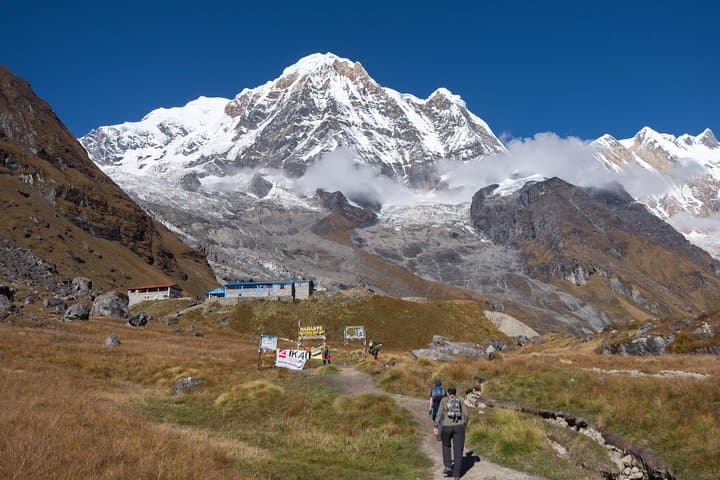
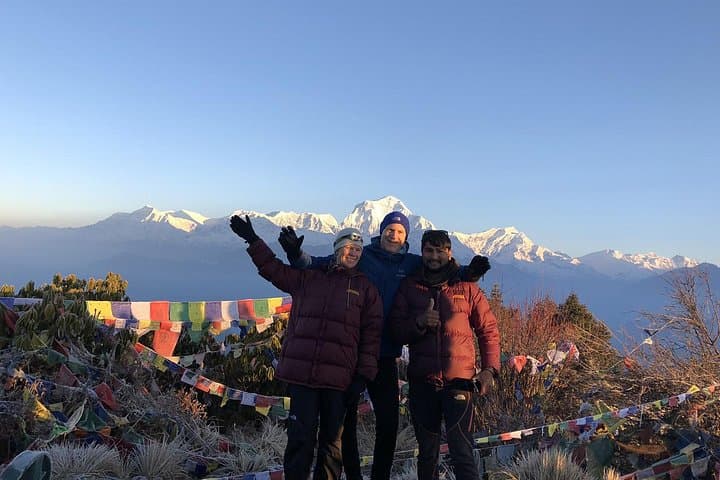
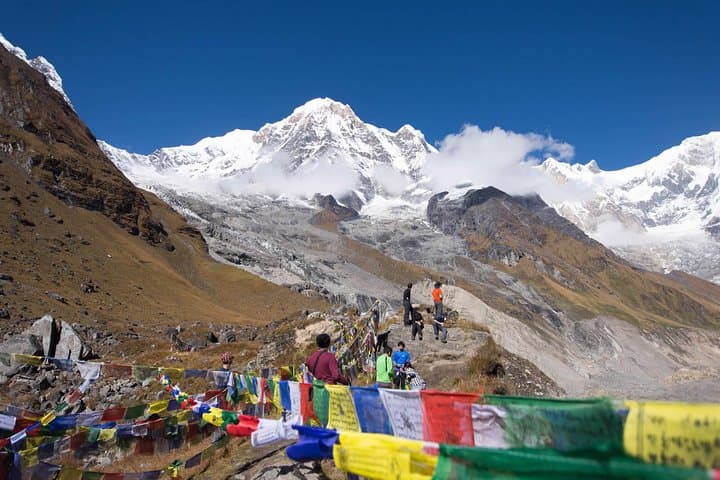
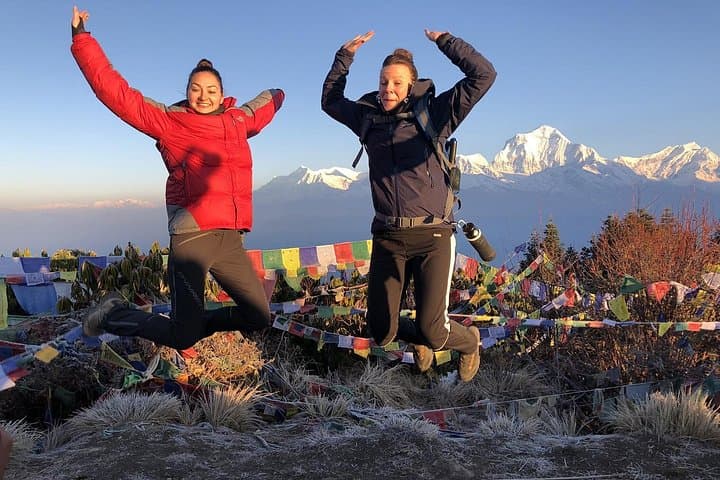
You step out of the thin air and into a bowl of stone and ice where the Annapurna massif pins the sky—each dawn redrawing the ridge lines of Annapurna I, Hiunchuli and the sharply fluted Machhapuchhre (Fishtail).
Verified experiences and guided adventures in the surrounding area.
Operated by Nepal Hiking Team · Pokhara, Gandaki Province
You step out of the thin air and into a bowl of stone and ice where the Annapurna massif pins the sky—each dawn redrawing the ridge lines of Annapurna I, Hiunchuli and the sharply fluted Machhapuchhre (Fishtail).
The route follows classic Annapurna Sanctuary trailheads from Pokhara, climbing forested rhododendron slopes, crossing suspension bridges and trading village life for high alpine meadows. The trek threads through Gurung and Magar villages—communities shaped by centuries of mountain agriculture and Gurkha service—before arriving at the wide, glacial moraine of Annapurna Base Camp (4,230 m).
Geologically the sanctuary is a steep, glaciated basin carved by ice and torrents; views here reveal stratified faces and hanging seracs that expose the range’s violent uplift. Culturally, teahouses along the way offer homemade dal bhat, local hospitality and simple dorm rooms where stories and maps are swapped over steaming cups.
Practically, the itinerary spaces acclimatization—Poon Hill sunrise and staged ascents reduce altitude stress. Expect daily walks of 4–7 hours, mixed dirt tracks and stone staircases, and lodge-to-lodge sleeping (simple twin rooms, shared bathrooms). Permits include the Annapurna Conservation Area permit and TIMS card; bring passport photos. Pack layered insulation, waterproof outerwear, and trekking poles to manage long descents. Hydrate early, move at a steady pace, and use the included pulse oximeter if you feel symptomatic. A guided, private format means porter support and local navigation, but physical fitness and respect for high-altitude protocols are non-negotiable.
This is not technical climbing, but the reward is close-range, panoramic alpine terrain rarely matched for accessibility—an immersive Himalayan route that balances raw mountain exposure with village-level culture.
challenging.
14 days.
Good aerobic fitness with experience of multi-day hikes; able to walk 4–7 hours daily on steep, uneven trails.
No technical climbing gear is required; the route is a non-technical high-altitude trek, but sturdy boots and ice traction may be helpful in winter or snowy patches.
You must have an Annapurna Conservation Area Permit (ACAP) and a TIMS card; your operator typically arranges permits but bring passport copies and photos.
Maximum altitude reaches about 4,230 m at ABC; altitude effects are possible—pace yourself, hydrate, and report symptoms to your guide promptly.
Lodges/teahouses offer basic twin rooms, shared bathrooms and communal dining; standards improve nearer Pokhara and Kathmandu.
The Annapurna Sanctuary has long been home to Gurung and Magar communities; the modern trekking route developed with the rise of trekking tourism in the 1960s and creation of the Annapurna Conservation Area.
The Annapurna Conservation Area manages permits and limits environmental impact; stick to marked trails, avoid single-use plastics, and use registered guides to support local conservation efforts.
Nepal Hiking Team operates guided outdoor trips and adventures with an emphasis on safety, stewardship, and memorable experiences.
You step out of the thin air and into a bowl of stone and ice where the Annapurna massif pins the sky—each dawn redrawing the ridge lines of Annapurna I, Hiunchuli and the sharply fluted Machhapuchhre (Fishtail).
You step out of the thin air and into a bowl of stone and ice where the Annapurna massif pins the sky—each dawn redrawing the ridge lines of Annapurna I, Hiunchuli and the sharply fluted Machhapuchhre (Fishtail).
The route follows classic Annapurna Sanctuary trailheads from Pokhara, climbing forested rhododendron slopes, crossing suspension bridges and trading village life for high alpine meadows. The trek threads through Gurung and Magar villages—communities shaped by centuries of mountain agriculture and Gurkha service—before arriving at the wide, glacial moraine of Annapurna Base Camp (4,230 m).
Geologically the sanctuary is a steep, glaciated basin carved by ice and torrents; views here reveal stratified faces and hanging seracs that expose the range’s violent uplift. Culturally, teahouses along the way offer homemade dal bhat, local hospitality and simple dorm rooms where stories and maps are swapped over steaming cups.
Practically, the itinerary spaces acclimatization—Poon Hill sunrise and staged ascents reduce altitude stress. Expect daily walks of 4–7 hours, mixed dirt tracks and stone staircases, and lodge-to-lodge sleeping (simple twin rooms, shared bathrooms). Permits include the Annapurna Conservation Area permit and TIMS card; bring passport photos. Pack layered insulation, waterproof outerwear, and trekking poles to manage long descents. Hydrate early, move at a steady pace, and use the included pulse oximeter if you feel symptomatic. A guided, private format means porter support and local navigation, but physical fitness and respect for high-altitude protocols are non-negotiable.
This is not technical climbing, but the reward is close-range, panoramic alpine terrain rarely matched for accessibility—an immersive Himalayan route that balances raw mountain exposure with village-level culture.