THE ADVENTURE COLLECTIVE® · Independent discovery and booking for outdoor travel

Explore Angkor Wat and the Small Circuit temples on a private, full‑day tour from Siem Reap. Learn Khmer history, walk carved galleries, and end the day with a sunset from Phnom Bakheng.
Explore Angkor Wat and the Small Circuit temples on a private, full‑day tour from Siem Reap. Learn Khmer history, walk carved galleries, and end the day with a sunset from Phnom Bakheng.
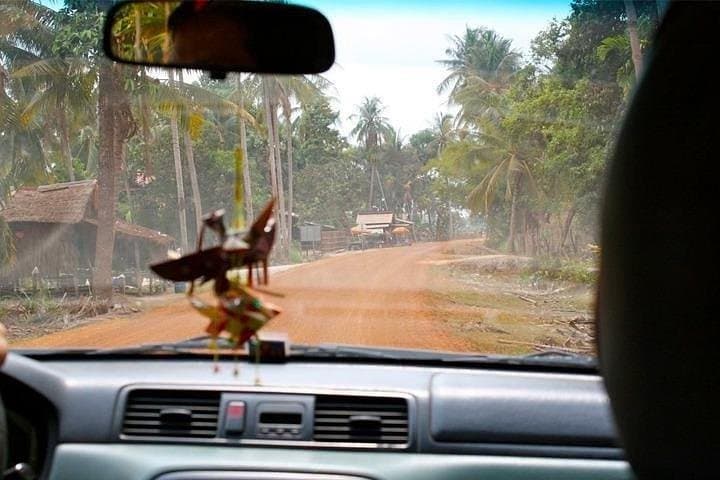
A low sun warms the causeway as the private vehicle eases toward Angkor Wat, its lotus towers cutting a clean silhouette against the sky. Visitors step from air-conditioned comfort into a landscape of carved sandstone galleries, tree-clad ruins and the steady circulation of pilgrims and guides.
Verified experiences and guided adventures in the surrounding area.
Operated by Angkor Focus Travel · Siem Reap, Siem Reap Province
A low sun warms the causeway as the private vehicle eases toward Angkor Wat, its lotus towers cutting a clean silhouette against the sky. Visitors step from air-conditioned comfort into a landscape of carved sandstone galleries, tree-clad ruins and the steady circulation of pilgrims and guides.
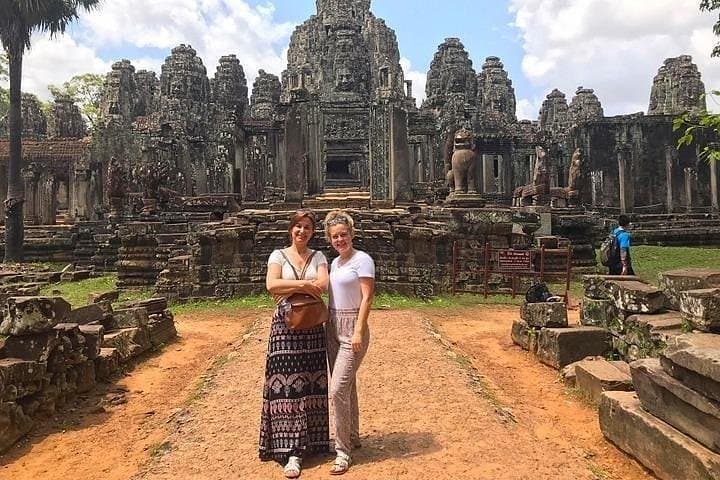
The tour threads through the small circuit: Angkor Wat’s vast bas-reliefs and central sanctum tell of a 12th‑century Khmer realm that shifted from Hindu to Buddhist devotion. At Angkor Thom, the Bayon’s enormous carved faces watch the plaza where Jayavarman VII once staged royal pageantry. The Terrace of the Elephants hints at the palace life that stood behind its ceremonial platform, while Ta Prohm gives the jungle a starring role — roots and stone interlock in unmistakable tension.
Beyond history, the site sits on a deltaic plain of laterite and sandstone, with seasonal waterbars that feed the great reservoirs once managed by Khmer engineers. Local guides weave cultural context: temple function, restoration ethics and proper etiquette inside sanctified spaces.
Practically, expect several hours of walking on uneven stone, humidity that builds after midmorning, and crowds at signature viewpoints. Angkor Pass is not included — arrange tickets ahead. Dress respectfully (shoulders and knees covered), bring a hat and plenty of water, and plan Phnom Bakheng for sunset if you want panoramic light—arrive early to secure a spot. The private format lets the group set pacing, pauses for photos, and a cleaner route through the busiest temples, making a dense historical landscape both readable and memorable.
easy.
7–8 hours.
Suitable for most fitness levels; involves several hours of walking on uneven stone surfaces and short climbs
No — the Angkor Pass must be purchased separately at the ticket center; bring the pass or printout for entry.
Yes — hotel pickup and drop-off in Siem Reap are included; confirm pickup time when you book.
The tour is suitable for all ages, but infants must sit on an adult’s lap during transport and walking can be tiring for small children.
Yes — the itinerary is timed to visit Ta Prohm in the afternoon and finish at Phnom Bakheng for sunset, though timing can vary with traffic and crowds.
Angkor Wat was built in the early 12th century under King Suryavarman II and later adapted from Hindu to Buddhist uses; Angkor Thom and the Bayon reflect Jayavarman VII’s 12th–13th century urban and religious program.
High visitor numbers stress fragile sandstone and root-covered masonry; follow guide instructions, avoid climbing on reliefs and carry out waste to minimize impact.
Angkor Focus Travel operates guided outdoor trips and adventures with an emphasis on safety, stewardship, and memorable experiences.
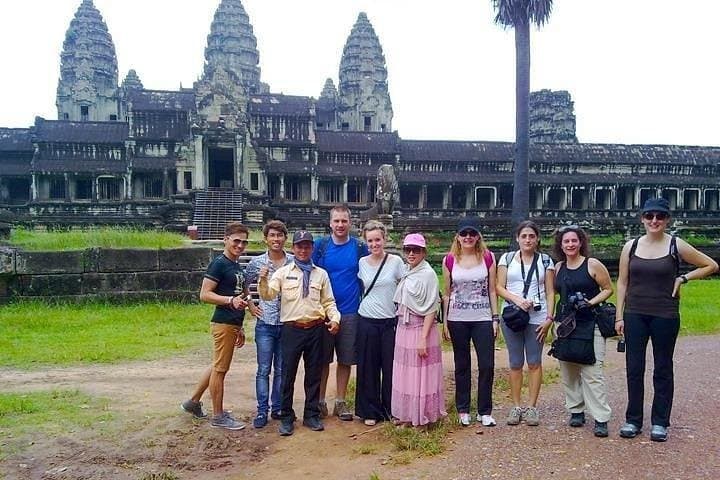

A low sun warms the causeway as the private vehicle eases toward Angkor Wat, its lotus towers cutting a clean silhouette against the sky. Visitors step from air-conditioned comfort into a landscape of carved sandstone galleries, tree-clad ruins and the steady circulation of pilgrims and guides.
A low sun warms the causeway as the private vehicle eases toward Angkor Wat, its lotus towers cutting a clean silhouette against the sky. Visitors step from air-conditioned comfort into a landscape of carved sandstone galleries, tree-clad ruins and the steady circulation of pilgrims and guides.
The tour threads through the small circuit: Angkor Wat’s vast bas-reliefs and central sanctum tell of a 12th‑century Khmer realm that shifted from Hindu to Buddhist devotion. At Angkor Thom, the Bayon’s enormous carved faces watch the plaza where Jayavarman VII once staged royal pageantry. The Terrace of the Elephants hints at the palace life that stood behind its ceremonial platform, while Ta Prohm gives the jungle a starring role — roots and stone interlock in unmistakable tension.
Beyond history, the site sits on a deltaic plain of laterite and sandstone, with seasonal waterbars that feed the great reservoirs once managed by Khmer engineers. Local guides weave cultural context: temple function, restoration ethics and proper etiquette inside sanctified spaces.
Practically, expect several hours of walking on uneven stone, humidity that builds after midmorning, and crowds at signature viewpoints. Angkor Pass is not included — arrange tickets ahead. Dress respectfully (shoulders and knees covered), bring a hat and plenty of water, and plan Phnom Bakheng for sunset if you want panoramic light—arrive early to secure a spot. The private format lets the group set pacing, pauses for photos, and a cleaner route through the busiest temples, making a dense historical landscape both readable and memorable.