THE ADVENTURE COLLECTIVE® · Independent discovery and booking for outdoor travel

Watch Angkor Wat wake at sunrise with a private guide who times tickets and routes to beat crowds. This flexible 6–7 hour tour pairs the monumental sunrise at Angkor Wat with Bayon, Ta Prohm and quieter jungle temples.
Watch Angkor Wat wake at sunrise with a private guide who times tickets and routes to beat crowds. This flexible 6–7 hour tour pairs the monumental sunrise at Angkor Wat with Bayon, Ta Prohm and quieter jungle temples.
You arrive before dawn, pulled from Siem Reap by a cool van and a guide who knows the rhythms of the temple complex. A humid night gives way as the spire silhouette of Angkor Wat sharpens against a pale sky; lotus ponds hold the first fragile reflections while the sun edges up and pushes color into bas-reliefs carved a millennium ago.
Verified experiences and guided adventures in the surrounding area.
Operated by Around Cambodia Travel · Siem Reap, Siem Reap Province
You arrive before dawn, pulled from Siem Reap by a cool van and a guide who knows the rhythms of the temple complex. A humid night gives way as the spire silhouette of Angkor Wat sharpens against a pale sky; lotus ponds hold the first fragile reflections while the sun edges up and pushes color into bas-reliefs carved a millennium ago.
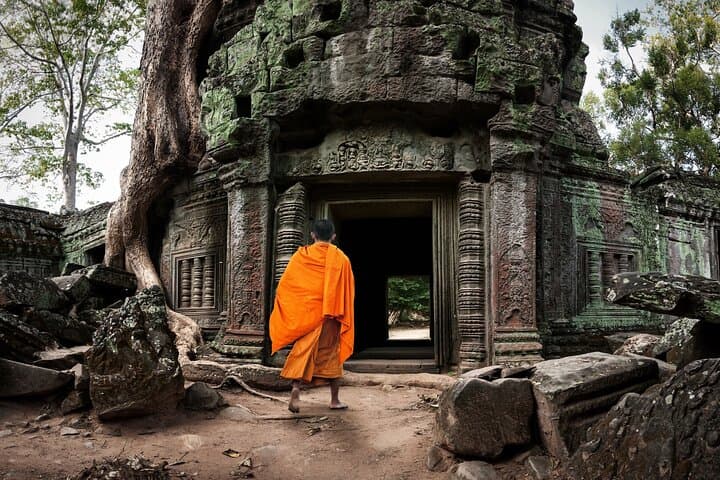
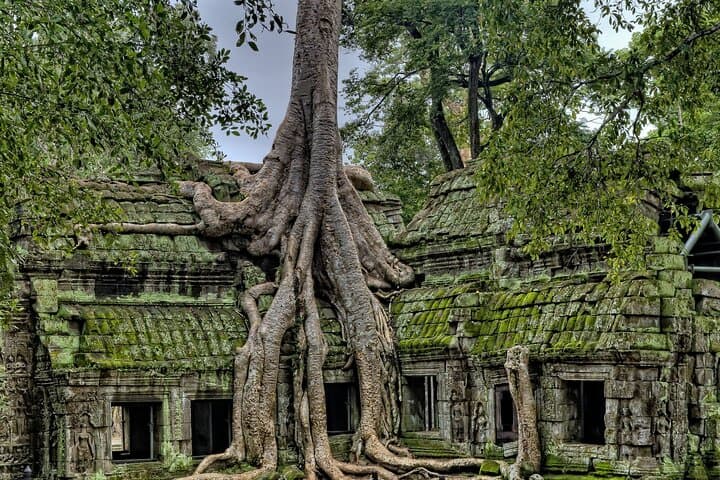
The Angkor complex was the heart of the Khmer Empire in the 12th century, built under King Suryavarman II; the stone faces of Bayon and the rooted masonry of Ta Prohm speak to the interplay of construction, water management and later jungle reclamation. The area sits on flat alluvial plains; the temples rest on sandstone platforms with causeways and moats that controlled water in a monsoon-driven landscape. Local culture remains centered in Siem Reap’s markets and artisan workshops, where roadside breakfasts and cold iced coffee steady you between temple stops.
Practically, expect a 6–7 hour private loop: sunrise at Angkor Wat, a short breakfast break, then Angkor Thom’s North Gate, Bayon, Ta Prohm and quieter jungle temples. The guide and driver handle tickets and timing to avoid crowds; you should bring a ticket (available online), sun protection, and modest clothing for sacred sites. Wear comfortable walking shoes—many temple stones are uneven and slippery after rain. Hydrate before you climb causeways; carry cash for small purchases and tips. Plan for early pickup (about 4:45 AM) and a full morning of standing, walking, and short, immersive stops among some of Southeast Asia’s most arresting ruins.
easy.
6–7 hours.
Suitable for most fitness levels; requires standing and walking on uneven ground for several hours
Pickup is typically around 4:45 AM so you arrive before sunrise; early timing secures good light and smaller crowds at Angkor Wat.
Entrance fees are not included by default; the guide can take you to the ticket office before entering or you can buy tickets online in advance.
The tour is family-friendly but temples have steps and rough surfaces; visitors with mobility limits may need assistance and should notify the operator in advance.
Shoulders and knees should be covered; lightweight, modest clothing is acceptable and required at some sites.
Angkor was the administrative and religious center of the Khmer Empire from the 9th to 15th centuries; Angkor Wat was completed in the early 12th century under Suryavarman II.
Angkor is a UNESCO World Heritage Site; visitors should stay on designated paths, avoid touching carvings, and follow local guidance to reduce wear and protect fragile structures.
Around Cambodia Travel operates guided outdoor trips and adventures with an emphasis on safety, stewardship, and memorable experiences.
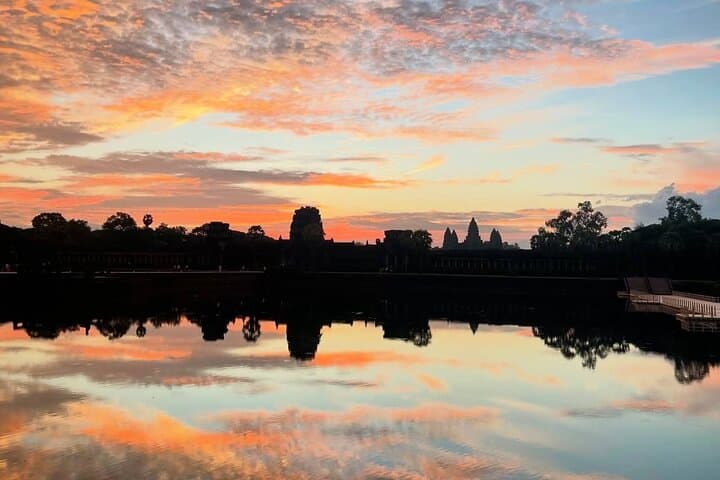
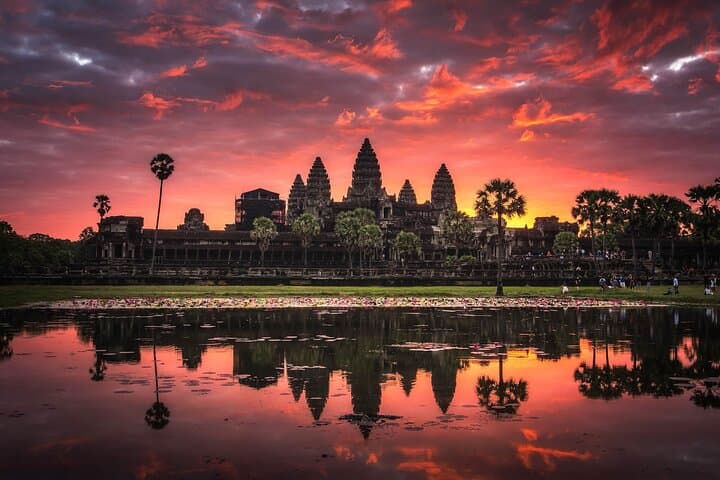
You arrive before dawn, pulled from Siem Reap by a cool van and a guide who knows the rhythms of the temple complex. A humid night gives way as the spire silhouette of Angkor Wat sharpens against a pale sky; lotus ponds hold the first fragile reflections while the sun edges up and pushes color into bas-reliefs carved a millennium ago.
You arrive before dawn, pulled from Siem Reap by a cool van and a guide who knows the rhythms of the temple complex. A humid night gives way as the spire silhouette of Angkor Wat sharpens against a pale sky; lotus ponds hold the first fragile reflections while the sun edges up and pushes color into bas-reliefs carved a millennium ago.
The Angkor complex was the heart of the Khmer Empire in the 12th century, built under King Suryavarman II; the stone faces of Bayon and the rooted masonry of Ta Prohm speak to the interplay of construction, water management and later jungle reclamation. The area sits on flat alluvial plains; the temples rest on sandstone platforms with causeways and moats that controlled water in a monsoon-driven landscape. Local culture remains centered in Siem Reap’s markets and artisan workshops, where roadside breakfasts and cold iced coffee steady you between temple stops.
Practically, expect a 6–7 hour private loop: sunrise at Angkor Wat, a short breakfast break, then Angkor Thom’s North Gate, Bayon, Ta Prohm and quieter jungle temples. The guide and driver handle tickets and timing to avoid crowds; you should bring a ticket (available online), sun protection, and modest clothing for sacred sites. Wear comfortable walking shoes—many temple stones are uneven and slippery after rain. Hydrate before you climb causeways; carry cash for small purchases and tips. Plan for early pickup (about 4:45 AM) and a full morning of standing, walking, and short, immersive stops among some of Southeast Asia’s most arresting ruins.