THE ADVENTURE COLLECTIVE® · Independent discovery and booking for outdoor travel

Explore Angkor’s three headline temples with a private guide and time sunset at Phnom Bakheng. This full-day tour blends on-site interpretation with practical pacing to maximize photos and cultural context.
Explore Angkor’s three headline temples with a private guide and time sunset at Phnom Bakheng. This full-day tour blends on-site interpretation with practical pacing to maximize photos and cultural context.
Stepping through the limestone causeways of Angkor Archaeological Park, visitors move from carved galleries into open courtyards where late afternoon light traces bas-reliefs. The private sunset tour times this progression so the last stop—Phnom Bakheng—becomes a slow-motion theater as the sun drops behind distant palms and the towers of Angkor Wat silhouette against the sky.
Verified experiences and guided adventures in the surrounding area.
Operated by Asia Voyage Tour · Siem Reap, Siem Reap Province
Stepping through the limestone causeways of Angkor Archaeological Park, visitors move from carved galleries into open courtyards where late afternoon light traces bas-reliefs. The private sunset tour times this progression so the last stop—Phnom Bakheng—becomes a slow-motion theater as the sun drops behind distant palms and the towers of Angkor Wat silhouette against the sky.
Angkor was the capital of the Khmer Empire from the 9th to 15th centuries; its sandstone temples sit atop a basin of older sandstone and alluvial clay, sculpted by monsoon-fed rivers and human ingenuity in hydraulic engineering. Bayon’s smiling faces reflect royal ideology; Ta Prohm’s roots push through walls where nature has earned its place back. Local guides tie these architectural choices to Khmer cosmology and the rice-based economy that sustained the city.
Expect uneven sandstone steps, shaded walkways, and wide courtyards with sparse signage—interpretation comes alive with a guide. Photography windows open at mid- to late-afternoon when crowds thin and light warms the carvings; Phnom Bakheng is popular for sunset but fills quickly, so timing and patience matter. Dress respectfully: shoulders covered and knees covered at active religious sites. Hydration and sun protection are practical priorities in the heat; comfortable shoes and a light rain layer are useful during the wet season.
This full-day private itinerary typically includes Angkor Wat, Bayon, and Ta Prohm, with hotel pickup and an English-speaking guide. Operates year-round; check sunrise/sunset times, and be prepared for crowds at key viewpoints.
moderate.
8 hours.
Suitable for travelers comfortable walking several hours over uneven ground and climbing temple steps; minimal endurance required.
This private tour typically requires each visitor to have a valid Angkor pass; confirm with the operator whether the ticket is arranged or if you should purchase it separately.
Photography is allowed at most sites, but drones and tripods may be restricted; follow guide instructions and be mindful of other visitors at popular viewpoints like Phnom Bakheng.
The tour is family-friendly but not advised for infants under three; uneven surfaces and many steps make it difficult for those with serious mobility limitations.
Shoulders should be covered and trousers or knee-length skirts worn; avoid sleeveless tops and short shorts to respect religious norms and site rules.
Angkor became the heart of the Khmer Empire between the 9th and 15th centuries; its temples map royal, religious, and hydraulic innovations across centuries.
Visitor pressure affects fragile sandstone and vegetation—stick to marked paths, avoid touching carvings, and use local guides who support preservation and community livelihoods.
Asia Voyage Tour operates guided outdoor trips and adventures with an emphasis on safety, stewardship, and memorable experiences.
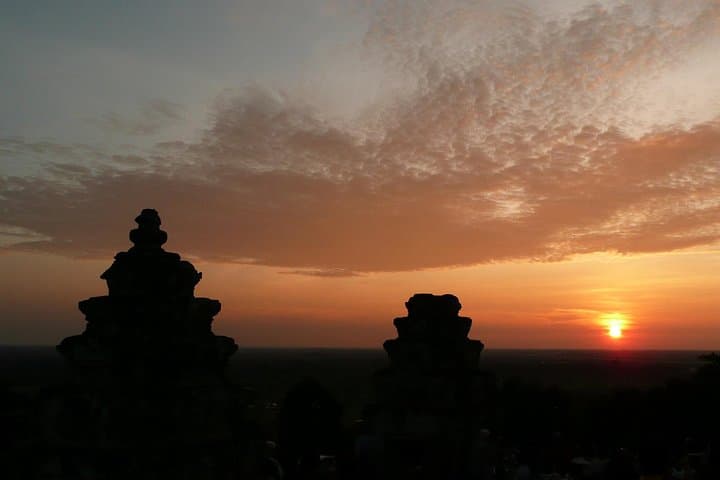
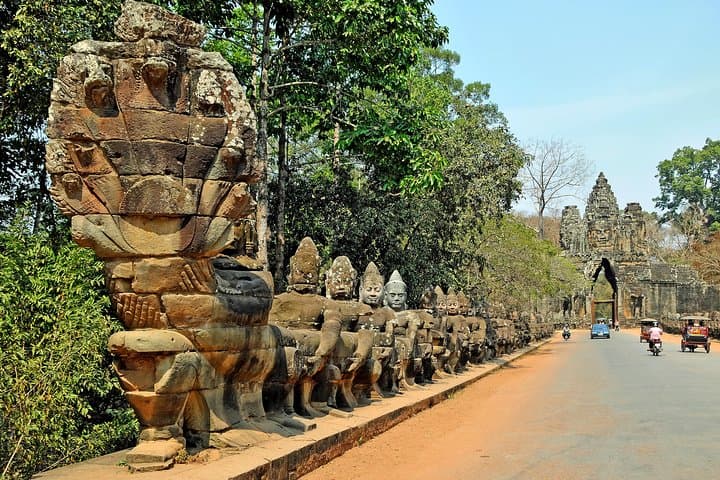
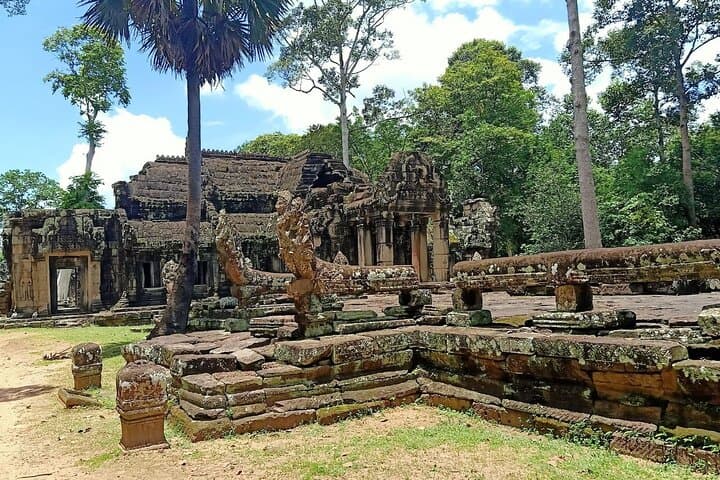
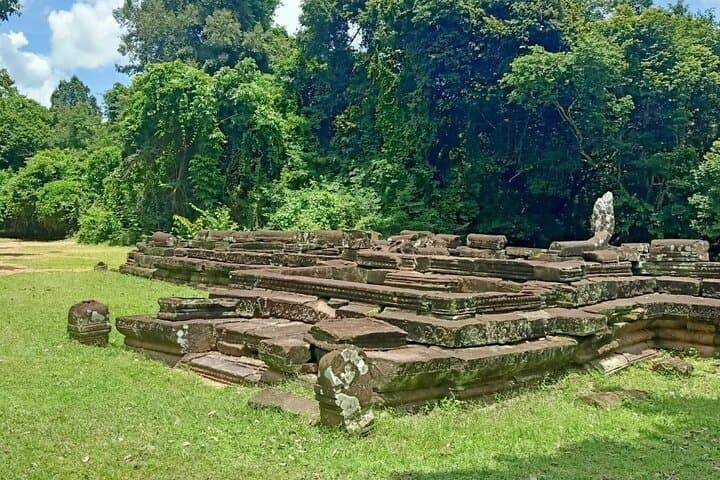
Stepping through the limestone causeways of Angkor Archaeological Park, visitors move from carved galleries into open courtyards where late afternoon light traces bas-reliefs. The private sunset tour times this progression so the last stop—Phnom Bakheng—becomes a slow-motion theater as the sun drops behind distant palms and the towers of Angkor Wat silhouette against the sky.
Stepping through the limestone causeways of Angkor Archaeological Park, visitors move from carved galleries into open courtyards where late afternoon light traces bas-reliefs. The private sunset tour times this progression so the last stop—Phnom Bakheng—becomes a slow-motion theater as the sun drops behind distant palms and the towers of Angkor Wat silhouette against the sky.
Angkor was the capital of the Khmer Empire from the 9th to 15th centuries; its sandstone temples sit atop a basin of older sandstone and alluvial clay, sculpted by monsoon-fed rivers and human ingenuity in hydraulic engineering. Bayon’s smiling faces reflect royal ideology; Ta Prohm’s roots push through walls where nature has earned its place back. Local guides tie these architectural choices to Khmer cosmology and the rice-based economy that sustained the city.
Expect uneven sandstone steps, shaded walkways, and wide courtyards with sparse signage—interpretation comes alive with a guide. Photography windows open at mid- to late-afternoon when crowds thin and light warms the carvings; Phnom Bakheng is popular for sunset but fills quickly, so timing and patience matter. Dress respectfully: shoulders covered and knees covered at active religious sites. Hydration and sun protection are practical priorities in the heat; comfortable shoes and a light rain layer are useful during the wet season.
This full-day private itinerary typically includes Angkor Wat, Bayon, and Ta Prohm, with hotel pickup and an English-speaking guide. Operates year-round; check sunrise/sunset times, and be prepared for crowds at key viewpoints.