THE ADVENTURE COLLECTIVE® · Independent discovery and booking for outdoor travel

Spend a day exploring Angkor’s greatest temples with a private guide—sunrise at Angkor Wat, the stone faces of Bayon, and the tree-entangled halls of Ta Prohm. Practical tips on timing, dress code, and what to expect make this an efficient cultural day trip from Siem Reap.
Spend a day exploring Angkor’s greatest temples with a private guide—sunrise at Angkor Wat, the stone faces of Bayon, and the tree-entangled halls of Ta Prohm. Practical tips on timing, dress code, and what to expect make this an efficient cultural day trip from Siem Reap.
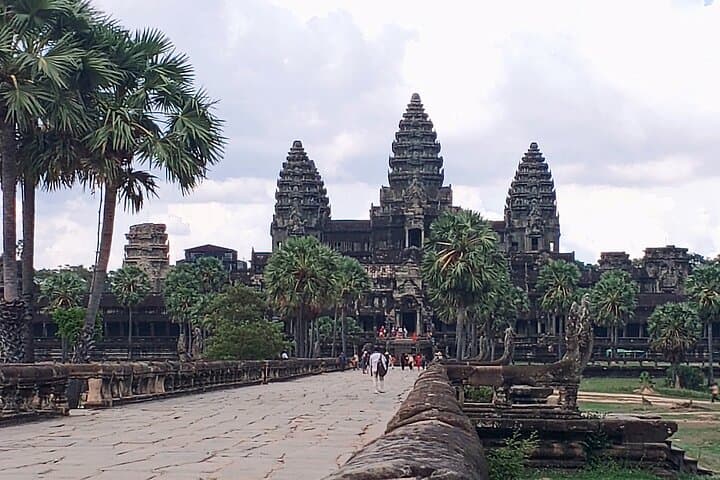
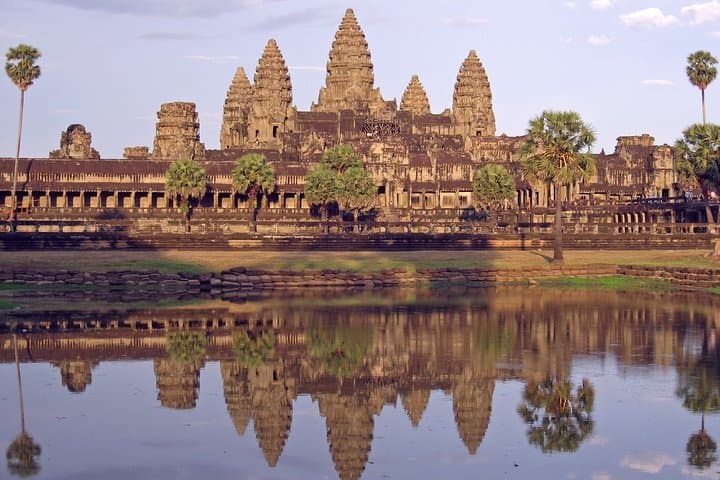
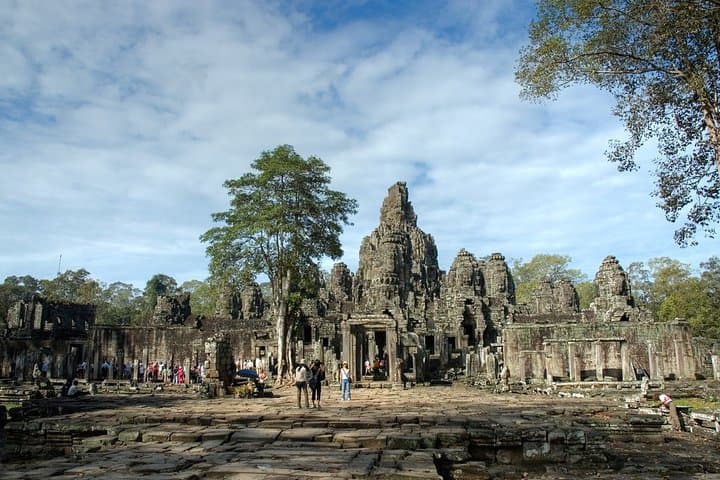
You step out of the van before dawn and the air is already warm; silhouettes of lotus ponds and the tiered towers of Angkor Wat slice the horizon. The stone ramps are slick with humidity, and a guide points out a carving fading under lichen as temple bells—literal and human—begin the day. For seven to nine hours you move through layers of history: sunrise at Angkor Wat, the carved faces of Bayon at Angkor Thom, and the root-wrapped corridors of Ta Prohm.
Verified experiences and guided adventures in the surrounding area.
Operated by Private Tour Guide-Phnom Penh · Siem Reap, Siem Reap Province
You step out of the van before dawn and the air is already warm; silhouettes of lotus ponds and the tiered towers of Angkor Wat slice the horizon. The stone ramps are slick with humidity, and a guide points out a carving fading under lichen as temple bells—literal and human—begin the day. For seven to nine hours you move through layers of history: sunrise at Angkor Wat, the carved faces of Bayon at Angkor Thom, and the root-wrapped corridors of Ta Prohm.
These monuments were raised by the Khmer Empire between the 10th and 13th centuries. Angkor Wat, built under Suryavarman II, was designed in sandstone and laterite, oriented westward like a sacred mountain; Bayon reflects Jayavarman VII’s Buddhist shift with its over 200 smiling faces. Ta Prohm shows ecological succession—banyan and kapok roots pry blocks apart—giving a clear view of how tropical weather and vegetation interact with masonry.
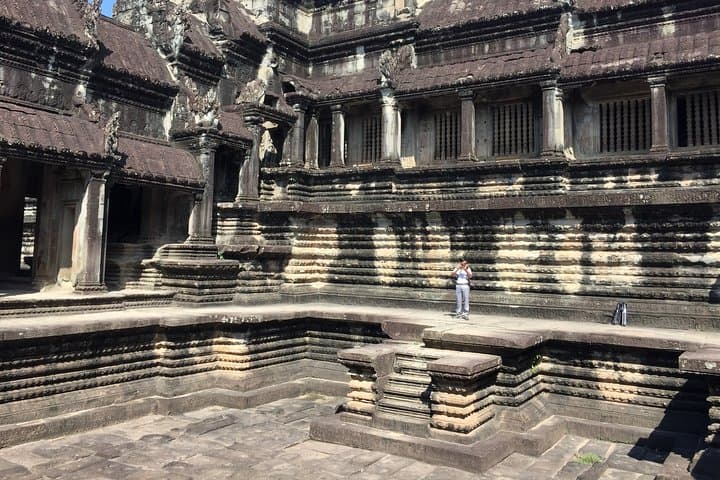
Expect uneven stone, steep steps, and concentrated crowds at key viewpoints. Practicalities: buy an Angkor Pass at the official ticket center or arrange it through your operator; dress modestly—shoulders and knees covered—and bring water, a hat, and sun protection. Early starts avoid heat and the largest crowds; mid-afternoon can be oppressive.
A private guide and vehicle streamline movement between ruins and allow time for quieter corners—bas-reliefs, causeways, and pond views—while providing cultural context on Khmer kingship, religion, and restoration efforts. Move deliberately, keep to marked paths, and leave no trace: the temples are fragile, and your choices affect the next visitor’s view.
easy.
7–9 hours.
Suitable for most fitness levels; expect long days on your feet and short stair climbs.
Yes—entry requires a time-stamped Angkor Pass purchased at the official ticket center or arranged through your tour operator.
Private guides accelerate movement between sites, offer historical context, and can steer you to quieter viewpoints—especially useful on a one-day schedule.
Some areas and transportation options are accessible, but many temple platforms, stairs, and narrow corridors limit full access—check specifics with your operator before booking.
Photography is allowed at most sites, but avoid flash in enclosed sanctuaries and respect signs prohibiting photography in certain areas.
Angkor was the capital of the Khmer Empire from the 9th to the 15th century; variations in temple style reflect shifts from Hinduism to Mahayana Buddhism under different kings.
Rising visitor numbers stress ancient stonework and ecosystems; stick to designated paths, avoid touching carvings, and support local conservation fees when possible.
Private Tour Guide-Phnom Penh operates guided outdoor trips and adventures with an emphasis on safety, stewardship, and memorable experiences.
You step out of the van before dawn and the air is already warm; silhouettes of lotus ponds and the tiered towers of Angkor Wat slice the horizon. The stone ramps are slick with humidity, and a guide points out a carving fading under lichen as temple bells—literal and human—begin the day. For seven to nine hours you move through layers of history: sunrise at Angkor Wat, the carved faces of Bayon at Angkor Thom, and the root-wrapped corridors of Ta Prohm.
You step out of the van before dawn and the air is already warm; silhouettes of lotus ponds and the tiered towers of Angkor Wat slice the horizon. The stone ramps are slick with humidity, and a guide points out a carving fading under lichen as temple bells—literal and human—begin the day. For seven to nine hours you move through layers of history: sunrise at Angkor Wat, the carved faces of Bayon at Angkor Thom, and the root-wrapped corridors of Ta Prohm.
These monuments were raised by the Khmer Empire between the 10th and 13th centuries. Angkor Wat, built under Suryavarman II, was designed in sandstone and laterite, oriented westward like a sacred mountain; Bayon reflects Jayavarman VII’s Buddhist shift with its over 200 smiling faces. Ta Prohm shows ecological succession—banyan and kapok roots pry blocks apart—giving a clear view of how tropical weather and vegetation interact with masonry.
Expect uneven stone, steep steps, and concentrated crowds at key viewpoints. Practicalities: buy an Angkor Pass at the official ticket center or arrange it through your operator; dress modestly—shoulders and knees covered—and bring water, a hat, and sun protection. Early starts avoid heat and the largest crowds; mid-afternoon can be oppressive.
A private guide and vehicle streamline movement between ruins and allow time for quieter corners—bas-reliefs, causeways, and pond views—while providing cultural context on Khmer kingship, religion, and restoration efforts. Move deliberately, keep to marked paths, and leave no trace: the temples are fragile, and your choices affect the next visitor’s view.