THE ADVENTURE COLLECTIVE® · Independent discovery and booking for outdoor travel

Walk Angkor’s greatest temples with a private guide who threads history, iconography and jungle drama into a single full‑day route. Expect 6–8 hours of walking on uneven ground, early starts to beat heat and a strong dose of Khmer history.
Walk Angkor’s greatest temples with a private guide who threads history, iconography and jungle drama into a single full‑day route. Expect 6–8 hours of walking on uneven ground, early starts to beat heat and a strong dose of Khmer history.
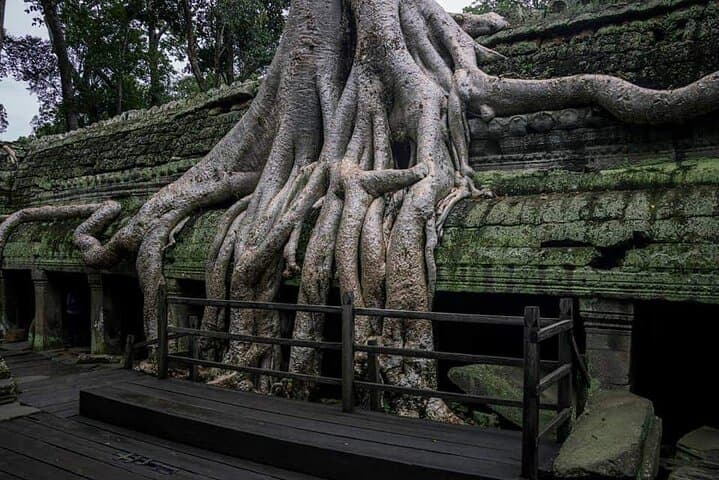
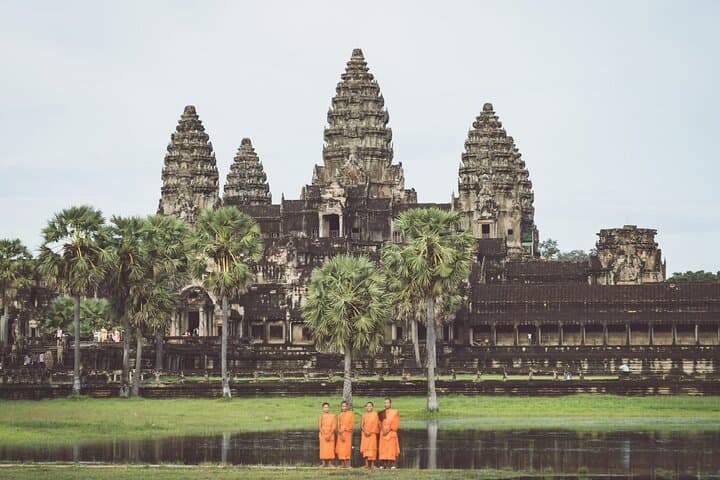
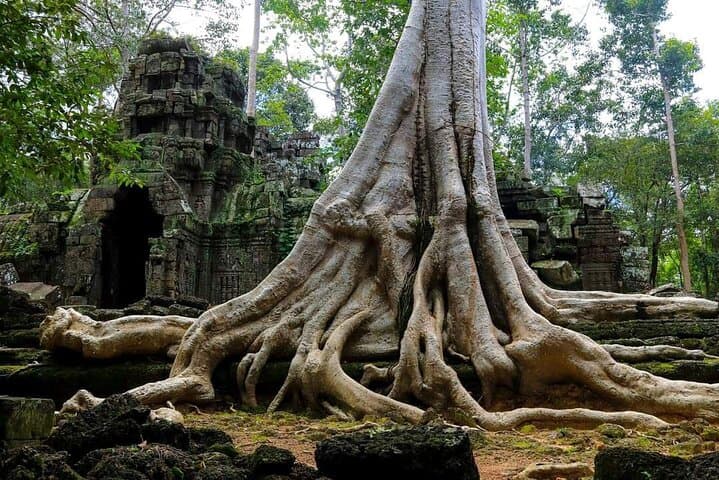
Morning light slices across sandstone galleries as the tuk‑tuk eases into the Angkor complex and the first silhouette of Angkor Wat rises from the tree line. Visitors step from shade into vast courtyards where carved apsaras watch in stone and roots slowly pry mortar from walls; the day unfolds as a moving classroom of empire, faith and jungle.
Verified experiences and guided adventures in the surrounding area.
Operated by Asia Cambo Travel · Siem Reap, Siem Reap Province
Morning light slices across sandstone galleries as the tuk‑tuk eases into the Angkor complex and the first silhouette of Angkor Wat rises from the tree line. Visitors step from shade into vast courtyards where carved apsaras watch in stone and roots slowly pry mortar from walls; the day unfolds as a moving classroom of empire, faith and jungle.
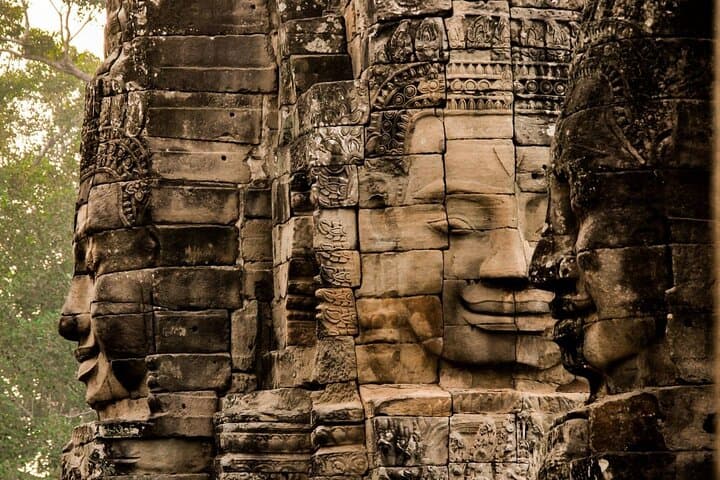
The tour threads Angkor Wat, the temple city of Angkor Thom and the Bayon with its many smiling towers, then moves through the root‑driven corridors of Ta Prohm. These monuments date mainly from the 9th–13th centuries, built by Khmer rulers who shaped the landscape with reservoirs and causeways; the sandstone records religious transition from Hindu cosmology to Mahayana Buddhism and back again.
Geologically, the sedimentary sandstone here yields intricate bas‑relief work but weathers quickly in the tropical climate, which is why the ruins retain both sharp detail and softened, fern‑hung edges. Local life still orbits these sites — village markets, pagodas and rice fields lie just beyond the tourist loop, offering context to the temples’ historic economy.
Practical guidance: expect 6–8 hours on uneven ground and shade that can be intermittent; bring sun protection, water and a light rain shell in monsoon months. Photography is welcome but respect active shrines and modest dress codes — shoulders and knees should be covered. Start early to avoid heat and the largest crowds, carry cash for entry fees and local vendors, and plan for tuk‑tuk transfers between sites. With a knowledgeable guide, a private day here turns stone and root into a precise map of a vanished capital.
moderate.
6–8 hours.
Suitable for anyone who can walk on uneven surfaces for several hours; basic stamina and mobility recommended.
Angkor Park entry fees are not usually included in third‑party private tours; purchase a ticket at the official entrance before your visit.
Private tours commonly include tuk‑tuk or vehicle transfer from Siem Reap hotels—confirm pickup details at booking and provide arrival times.
Many sites have uneven steps, narrow galleries and limited ramps; accessibility is restricted and varies by temple.
Photography is allowed at most sites but avoid flash on delicate reliefs and respect areas marked as active worship zones.
The Angkor complex flourished under the Khmer Empire from the 9th to the 15th century; massive waterworks and temple construction centered political and religious life.
Heavy visitation stresses ancient sandstone and vegetation; follow marked paths, avoid climbing fragile structures and support local conservation fees and community guides.
Asia Cambo Travel operates guided outdoor trips and adventures with an emphasis on safety, stewardship, and memorable experiences.
Morning light slices across sandstone galleries as the tuk‑tuk eases into the Angkor complex and the first silhouette of Angkor Wat rises from the tree line. Visitors step from shade into vast courtyards where carved apsaras watch in stone and roots slowly pry mortar from walls; the day unfolds as a moving classroom of empire, faith and jungle.
Morning light slices across sandstone galleries as the tuk‑tuk eases into the Angkor complex and the first silhouette of Angkor Wat rises from the tree line. Visitors step from shade into vast courtyards where carved apsaras watch in stone and roots slowly pry mortar from walls; the day unfolds as a moving classroom of empire, faith and jungle.
The tour threads Angkor Wat, the temple city of Angkor Thom and the Bayon with its many smiling towers, then moves through the root‑driven corridors of Ta Prohm. These monuments date mainly from the 9th–13th centuries, built by Khmer rulers who shaped the landscape with reservoirs and causeways; the sandstone records religious transition from Hindu cosmology to Mahayana Buddhism and back again.
Geologically, the sedimentary sandstone here yields intricate bas‑relief work but weathers quickly in the tropical climate, which is why the ruins retain both sharp detail and softened, fern‑hung edges. Local life still orbits these sites — village markets, pagodas and rice fields lie just beyond the tourist loop, offering context to the temples’ historic economy.
Practical guidance: expect 6–8 hours on uneven ground and shade that can be intermittent; bring sun protection, water and a light rain shell in monsoon months. Photography is welcome but respect active shrines and modest dress codes — shoulders and knees should be covered. Start early to avoid heat and the largest crowds, carry cash for entry fees and local vendors, and plan for tuk‑tuk transfers between sites. With a knowledgeable guide, a private day here turns stone and root into a precise map of a vanished capital.