THE ADVENTURE COLLECTIVE® · Independent discovery and booking for outdoor travel

Learn Pachamanca — the Andean earth-oven method — in a private, hands-on class that includes a market visit, stone-baked cooking and chicha tasting. Ideal for food-minded travelers who want cultural context alongside practical skills.
Learn Pachamanca — the Andean earth-oven method — in a private, hands-on class that includes a market visit, stone-baked cooking and chicha tasting. Ideal for food-minded travelers who want cultural context alongside practical skills.
The kitchen door opens onto a courtyard that still smells faintly of embers; the Andes press against the windows, a low, steady presence. Participants begin at a wooden table where corn, herbs and tubers are spread like a map of the highlands. The class moves with the deliberate rhythm of a communal meal: marination, clay pots, hot stones and stories passed between bites.
Verified experiences and guided adventures in the surrounding area.
Operated by Marcelo Batata Cooking Class · Cusco, Cusco
The kitchen door opens onto a courtyard that still smells faintly of embers; the Andes press against the windows, a low, steady presence. Participants begin at a wooden table where corn, herbs and tubers are spread like a map of the highlands. The class moves with the deliberate rhythm of a communal meal: marination, clay pots, hot stones and stories passed between bites.
Pachamanca — literally “earth oven” in Quechua — is an ancient technique that dates to pre-Inca and Inca times, when communities cooked meats, potatoes and maize together on heated stones buried in the earth. The method reflects Andean geology: volcanic and granite stones that retain heat, and soils that have long supported diverse tubers and quinoa.
Culturally this class bridges market and hearth. A guided market stop highlights native varieties of corn, native potatoes and ají peppers; back in the kitchen a chef demonstrates uchucuta sauce and chicha tasting, explaining fermentation and ancestral spice blends. Expect hands-on sections: shaping humitas, layering food over hot stones, and a final communal tasting of pachamanca and sides.
Practically, the experience is light on fitness but heavy on attention. Wear closed-toe shoes for the kitchen and a light jacket — kitchens can be cool early or smoky from stones. Bring a notebook for recipes and ask about dietary needs in advance; vegetarian options are available. The class runs about three hours, is wheelchair accessible, and is ideal for travelers who want a sensory, historically rooted introduction to Andean foodways.
easy.
3 hours.
Minimal physical exertion; participants should be comfortable standing for short periods and performing basic kitchen tasks.
Yes — the itinerary includes a private market stop to learn about Andean ingredients and select produce used in the class.
Vegetarian options are available if requested at time of booking; advise specific dietary requirements in advance.
Classes are operated in Spanish or English depending on your request—note your language preference when booking.
The venue is listed as wheelchair accessible, though access to some outdoor hot-stone areas may be limited—check with the operator for specifics.
Pachamanca traces to pre-Inca and Inca communal earth-oven traditions where food was cooked with heated stones and shared in seasonal ceremonies.
Operators increasingly source native grains and tubers from local producers to support agrobiodiversity; avoid single-use plastics and ask about sourcing when booking.
Marcelo Batata Cooking Class operates guided outdoor trips and adventures with an emphasis on safety, stewardship, and memorable experiences.
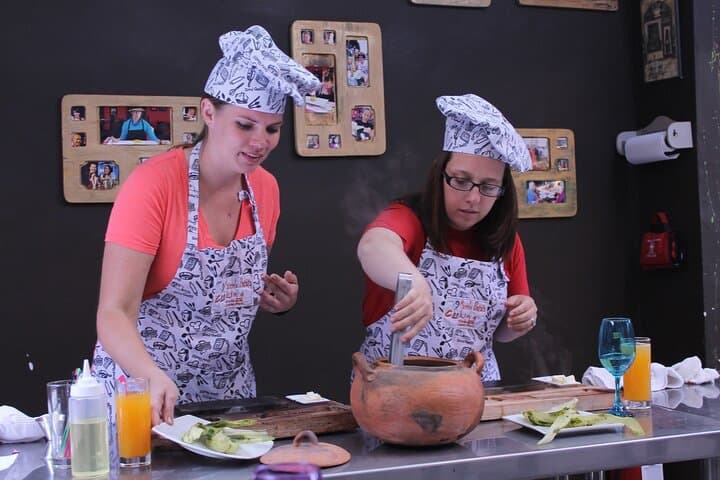
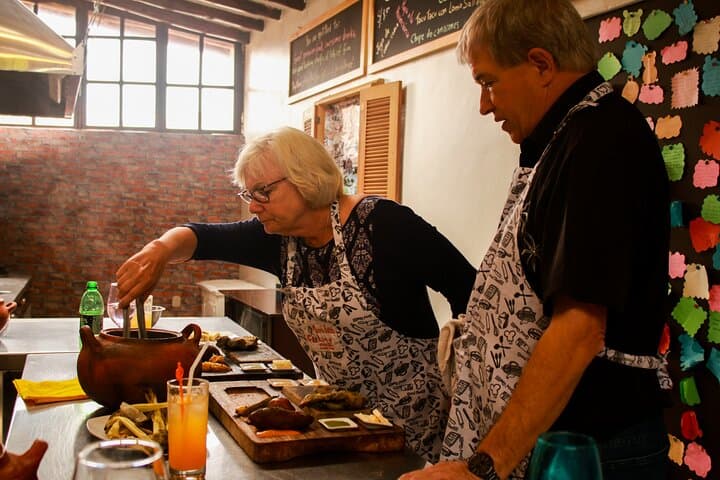
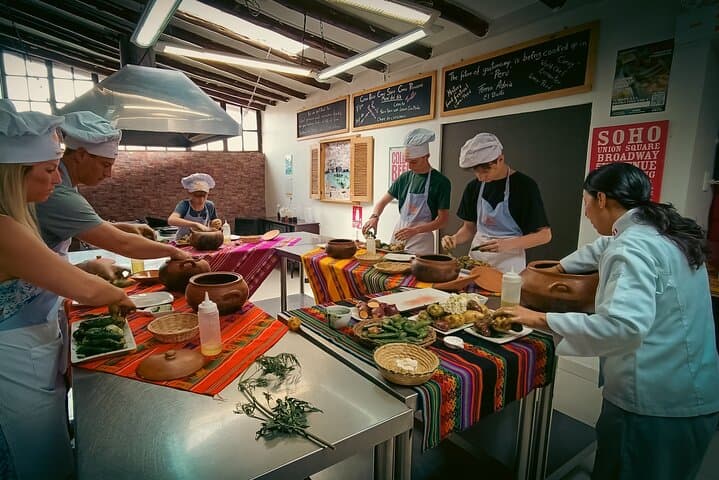
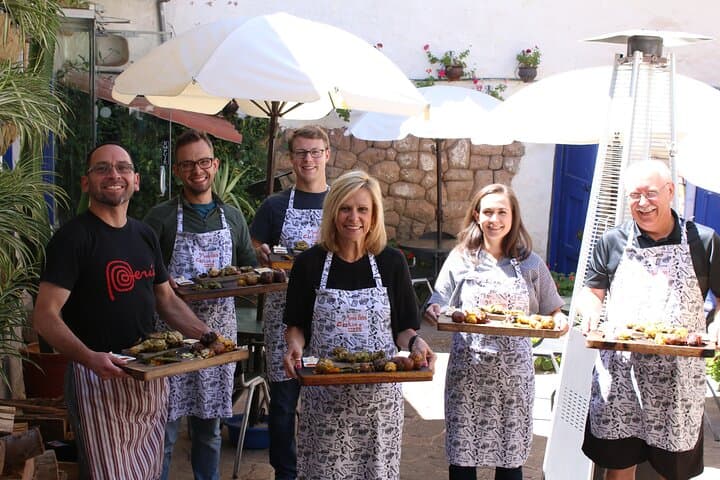
The kitchen door opens onto a courtyard that still smells faintly of embers; the Andes press against the windows, a low, steady presence. Participants begin at a wooden table where corn, herbs and tubers are spread like a map of the highlands. The class moves with the deliberate rhythm of a communal meal: marination, clay pots, hot stones and stories passed between bites.
The kitchen door opens onto a courtyard that still smells faintly of embers; the Andes press against the windows, a low, steady presence. Participants begin at a wooden table where corn, herbs and tubers are spread like a map of the highlands. The class moves with the deliberate rhythm of a communal meal: marination, clay pots, hot stones and stories passed between bites.
Pachamanca — literally “earth oven” in Quechua — is an ancient technique that dates to pre-Inca and Inca times, when communities cooked meats, potatoes and maize together on heated stones buried in the earth. The method reflects Andean geology: volcanic and granite stones that retain heat, and soils that have long supported diverse tubers and quinoa.
Culturally this class bridges market and hearth. A guided market stop highlights native varieties of corn, native potatoes and ají peppers; back in the kitchen a chef demonstrates uchucuta sauce and chicha tasting, explaining fermentation and ancestral spice blends. Expect hands-on sections: shaping humitas, layering food over hot stones, and a final communal tasting of pachamanca and sides.
Practically, the experience is light on fitness but heavy on attention. Wear closed-toe shoes for the kitchen and a light jacket — kitchens can be cool early or smoky from stones. Bring a notebook for recipes and ask about dietary needs in advance; vegetarian options are available. The class runs about three hours, is wheelchair accessible, and is ideal for travelers who want a sensory, historically rooted introduction to Andean foodways.