THE ADVENTURE COLLECTIVE® · Independent discovery and booking for outdoor travel

Two hours of guided walking pulls back Amsterdam’s layers — from Dam Square to the canal belt and Jordaan — mixing Golden Age history with contemporary local life. Perfect for first‑time visitors who want orientation, insider tips and accessible city atmosphere.
Two hours of guided walking pulls back Amsterdam’s layers — from Dam Square to the canal belt and Jordaan — mixing Golden Age history with contemporary local life. Perfect for first‑time visitors who want orientation, insider tips and accessible city atmosphere.
A morning on foot in Amsterdam begins at Dam Square, where the city’s heartbeat is audible in footfalls and bicycle bells. In two hours a guide threads you through broad plazas, tight canal bridges and the tilted façades of the Singel, translating pavement and water into stories of trade, tolerance and urban ingenuity.
Verified experiences and guided adventures in the surrounding area.
Operated by Who Is Amsterdam Tours · Amsterdam, North Holland
A morning on foot in Amsterdam begins at Dam Square, where the city’s heartbeat is audible in footfalls and bicycle bells. In two hours a guide threads you through broad plazas, tight canal bridges and the tilted façades of the Singel, translating pavement and water into stories of trade, tolerance and urban ingenuity.
This compact route traces Amsterdam’s rise in the 17th‑century Golden Age — the canal belt you’ll pass is UNESCO‑listed, the Beurs van Berlage speaks to early financial power, and the Torensluis and dancing houses reflect mercantile wealth turned architectural experiment. The city sits on reclaimed peat and timber piles; its distinctive narrow houses and sagging gables are a byproduct of that soft, watery geology and centuries of adaptation.
Culturally the tour moves from public spectacle at Dam, through the contested history of the Red Light District, into the quieter, artisan streets of the Jordaan and the Homomonument’s modern civic statement. Along the way the guide will point out local rhythms — the ironclad bike etiquette, coffeeshop culture and tips on how locals live lightly on dense, historic ground.
Practically, expect flat, paved and cobbled surfaces, frequent canal crossings and steady crowds in peak hours. The pace is gentle but continuous: plan for roughly 3–4 km of walking, wear grippy shoes and a light rain layer, and carry a small daypack. Morning or late afternoon slots avoid the midday crowds; bring a fully charged phone for photos and map navigation, and watch your pockets in busy squares.
easy.
2 hours.
Suitable for anyone in reasonable walking shape; stops are frequent and pace is relaxed.
Expect roughly 3–4 km (about 2 miles) over two hours with regular stops for stories and photos.
Yes — the route is flat with frequent pauses; inform the operator of mobility needs when booking.
This introduction is a walking orientation — it focuses on external viewing and storytelling; admission to paid museums is not included.
Yes — local dining and nightlife recommendations are included and tailored to interests like coffee, Dutch cuisine or the Jordaan cafés.
Amsterdam’s concentric canal belt was constructed in the 17th century during the Dutch Golden Age to manage trade and urban expansion and is now UNESCO protected.
The city emphasizes cycling and public transport to reduce emissions; visitors are asked not to feed wildlife and to dispose of litter to protect canal ecology.
Who Is Amsterdam Tours operates guided outdoor trips and adventures with an emphasis on safety, stewardship, and memorable experiences.
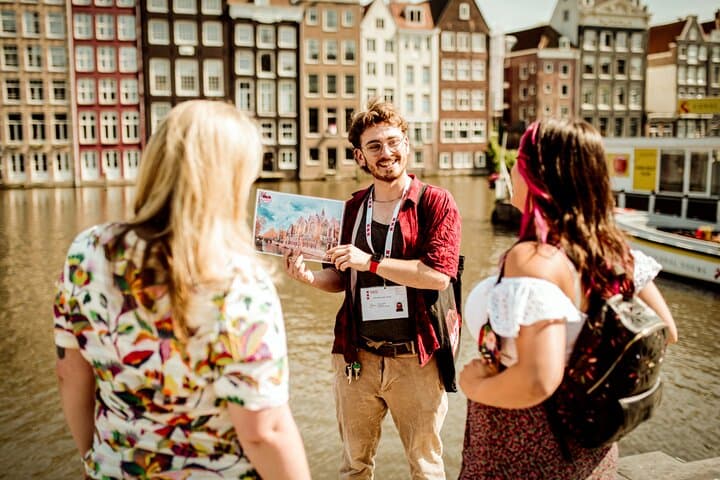
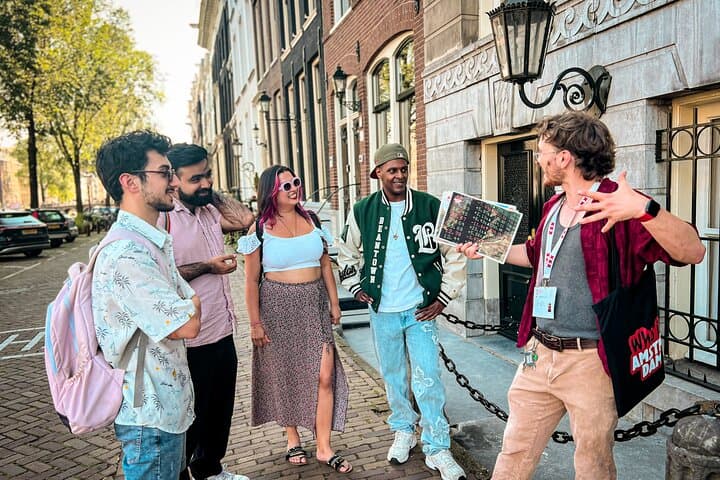
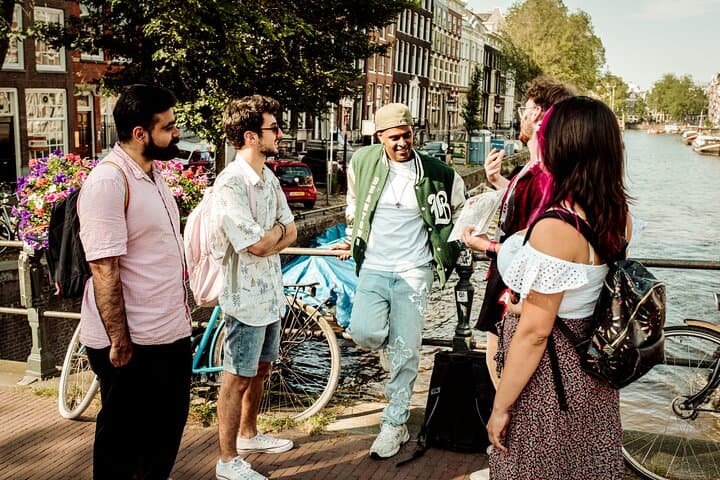
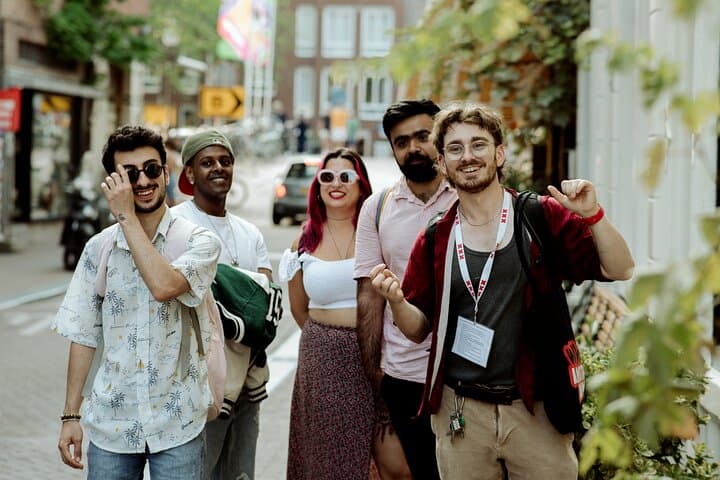
A morning on foot in Amsterdam begins at Dam Square, where the city’s heartbeat is audible in footfalls and bicycle bells. In two hours a guide threads you through broad plazas, tight canal bridges and the tilted façades of the Singel, translating pavement and water into stories of trade, tolerance and urban ingenuity.
A morning on foot in Amsterdam begins at Dam Square, where the city’s heartbeat is audible in footfalls and bicycle bells. In two hours a guide threads you through broad plazas, tight canal bridges and the tilted façades of the Singel, translating pavement and water into stories of trade, tolerance and urban ingenuity.
This compact route traces Amsterdam’s rise in the 17th‑century Golden Age — the canal belt you’ll pass is UNESCO‑listed, the Beurs van Berlage speaks to early financial power, and the Torensluis and dancing houses reflect mercantile wealth turned architectural experiment. The city sits on reclaimed peat and timber piles; its distinctive narrow houses and sagging gables are a byproduct of that soft, watery geology and centuries of adaptation.
Culturally the tour moves from public spectacle at Dam, through the contested history of the Red Light District, into the quieter, artisan streets of the Jordaan and the Homomonument’s modern civic statement. Along the way the guide will point out local rhythms — the ironclad bike etiquette, coffeeshop culture and tips on how locals live lightly on dense, historic ground.
Practically, expect flat, paved and cobbled surfaces, frequent canal crossings and steady crowds in peak hours. The pace is gentle but continuous: plan for roughly 3–4 km of walking, wear grippy shoes and a light rain layer, and carry a small daypack. Morning or late afternoon slots avoid the midday crowds; bring a fully charged phone for photos and map navigation, and watch your pockets in busy squares.