THE ADVENTURE COLLECTIVE® · Independent discovery and booking for outdoor travel

Walk the heart of Amsterdam with a local guide and unpack seven centuries of history across canals, markets, and narrow merchant houses. This two‑hour tour balances big-picture history with neighborhood secrets known mainly to locals.
Walk the heart of Amsterdam with a local guide and unpack seven centuries of history across canals, markets, and narrow merchant houses. This two‑hour tour balances big-picture history with neighborhood secrets known mainly to locals.
The guide waits beneath the hotel's neoclassical façade as the city hums: tram bells, cyclists weaving like shoals, and the canals reflecting a cool, mobile sky. A two-hour walk through Amsterdam’s historic center feels like turning pages of a dense atlas — narrow merchant houses lean forward, bridges frame street-cafés, and the water itself keeps time with passing barges.
Verified experiences and guided adventures in the surrounding area.
Operated by Trigger Tours · Amsterdam, North Holland
The guide waits beneath the hotel's neoclassical façade as the city hums: tram bells, cyclists weaving like shoals, and the canals reflecting a cool, mobile sky. A two-hour walk through Amsterdam’s historic center feels like turning pages of a dense atlas — narrow merchant houses lean forward, bridges frame street-cafés, and the water itself keeps time with passing barges.
This tour threads through seven centuries of urban growth. From the Dam’s 15th–17th century municipal power to the 17th‑century canal ring engineered for trade and flood control, the route exposes how geology — reclaimed marsh and peat — shaped Dutch ingenuity. Visitors hear about the Dutch Golden Age of shipping and banking, the evolution of religious communities including Jewish and Catholic histories, and how architecture and civic planning learned to coexist with rising water.
Local color appears in small details: concealed courtyards, a market square that still trades in fish and flowers, and canal basements that remind you the city negotiates with nature daily. Guides pair storytelling with practical context — why certain façades tilt, how bridges were used for defense, and where locals go for a quiet espresso.
Practical guidance follows: the route is paved but often cobbled; expect steady, flat walking and frequent stops. Wear comfortable shoes, bring a compact umbrella in cooler months, and allow time afterward to explore the Oude Kerk, a market on Nieuwmarkt, or to ride a short canal boat to see the city from the water.
easy.
2 hours.
Suitable for most fitness levels; requires about 1.5–3 miles of walking on flat but uneven surfaces.
Much of the route uses paved streets but some cobblestones and bridges may be challenging; notify the operator if accessibility accommodations are required.
This walking tour passes major sights from outside; entry fees are not included, though guides can advise where to return for visits afterward.
Small-group tours typically cap around 15 people to keep the experience personal and easy to navigate.
Confirm language availability at booking—English is commonly offered and other languages depend on guide schedules.
Amsterdam’s canal ring was built in the 17th century as a planned urban expansion to facilitate trade, taxation and water management during the Dutch Golden Age.
The city actively manages water levels and building foundations; visitors are encouraged to respect canal edges, avoid littering, and favor local businesses to support sustainable tourism.
Trigger Tours operates guided outdoor trips and adventures with an emphasis on safety, stewardship, and memorable experiences.
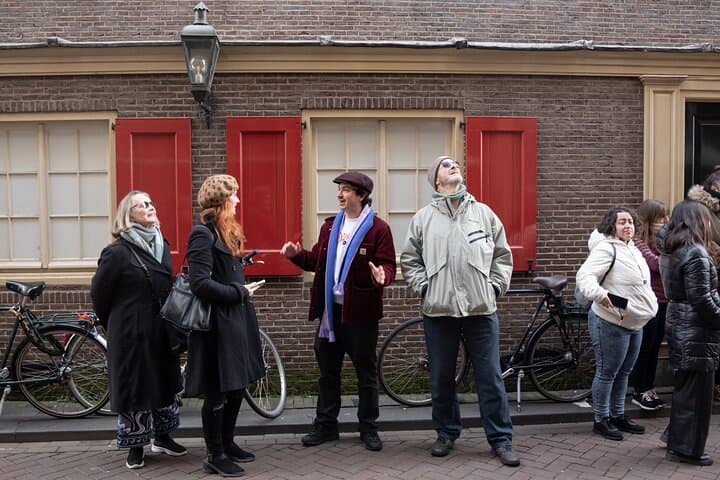
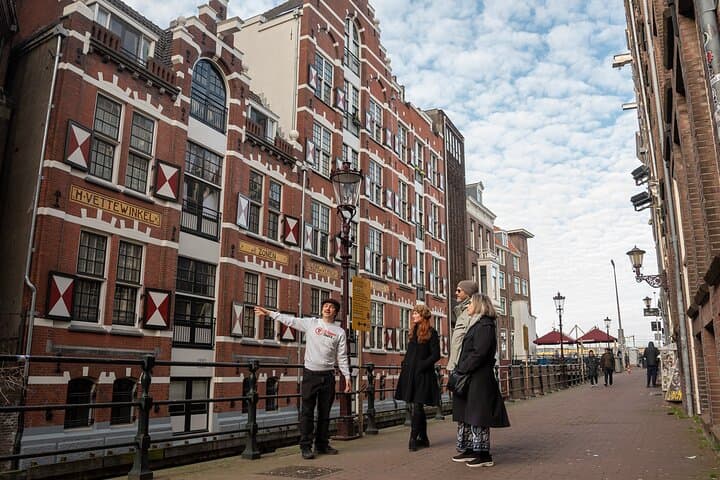

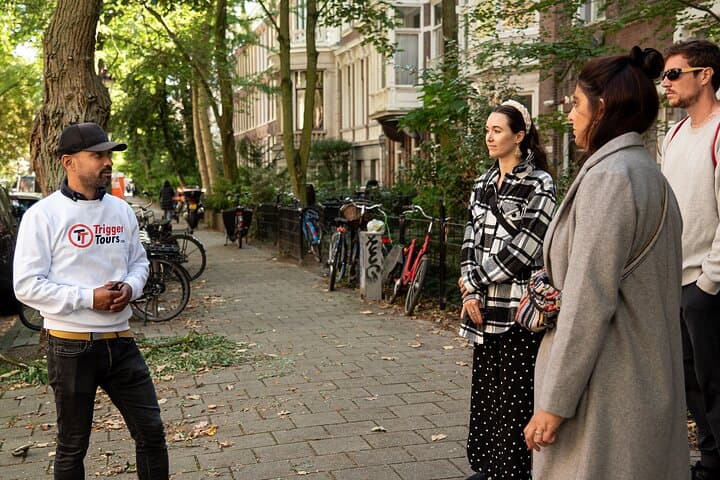
The guide waits beneath the hotel's neoclassical façade as the city hums: tram bells, cyclists weaving like shoals, and the canals reflecting a cool, mobile sky. A two-hour walk through Amsterdam’s historic center feels like turning pages of a dense atlas — narrow merchant houses lean forward, bridges frame street-cafés, and the water itself keeps time with passing barges.
The guide waits beneath the hotel's neoclassical façade as the city hums: tram bells, cyclists weaving like shoals, and the canals reflecting a cool, mobile sky. A two-hour walk through Amsterdam’s historic center feels like turning pages of a dense atlas — narrow merchant houses lean forward, bridges frame street-cafés, and the water itself keeps time with passing barges.
This tour threads through seven centuries of urban growth. From the Dam’s 15th–17th century municipal power to the 17th‑century canal ring engineered for trade and flood control, the route exposes how geology — reclaimed marsh and peat — shaped Dutch ingenuity. Visitors hear about the Dutch Golden Age of shipping and banking, the evolution of religious communities including Jewish and Catholic histories, and how architecture and civic planning learned to coexist with rising water.
Local color appears in small details: concealed courtyards, a market square that still trades in fish and flowers, and canal basements that remind you the city negotiates with nature daily. Guides pair storytelling with practical context — why certain façades tilt, how bridges were used for defense, and where locals go for a quiet espresso.
Practical guidance follows: the route is paved but often cobbled; expect steady, flat walking and frequent stops. Wear comfortable shoes, bring a compact umbrella in cooler months, and allow time afterward to explore the Oude Kerk, a market on Nieuwmarkt, or to ride a short canal boat to see the city from the water.