THE ADVENTURE COLLECTIVE® · Independent discovery and booking for outdoor travel

Spend four hours exploring Lancaster County’s farmland, markets, and small towns with a private guide. Taste Pennsylvania Dutch specialties, meet artisans, and learn local history while traveling comfortably by air‑conditioned vehicle.
Spend four hours exploring Lancaster County’s farmland, markets, and small towns with a private guide. Taste Pennsylvania Dutch specialties, meet artisans, and learn local history while traveling comfortably by air‑conditioned vehicle.
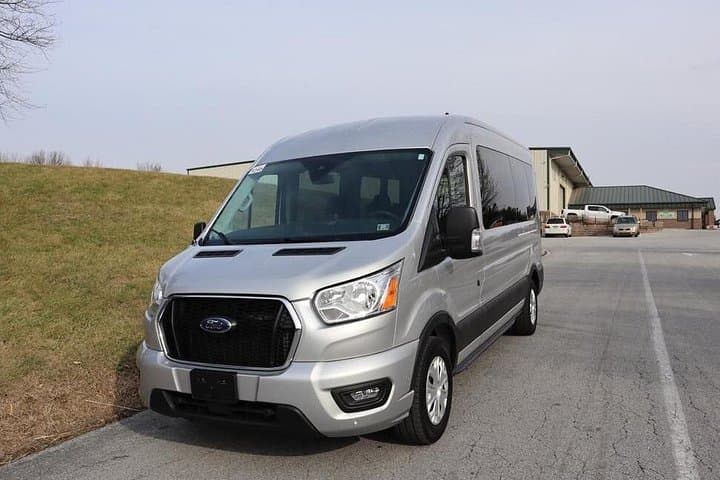
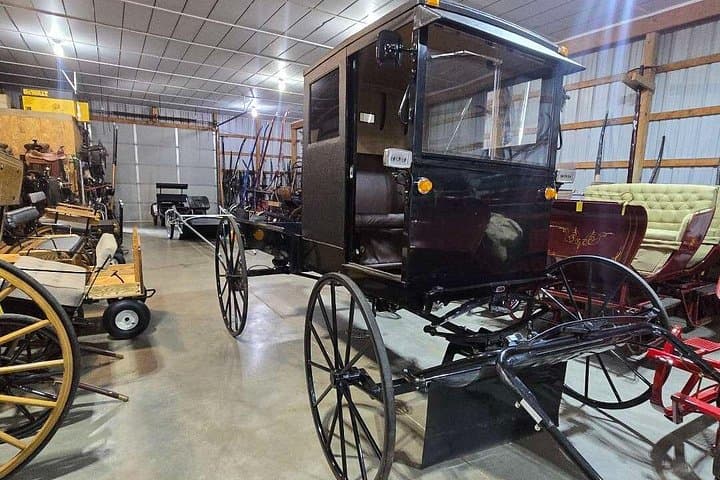
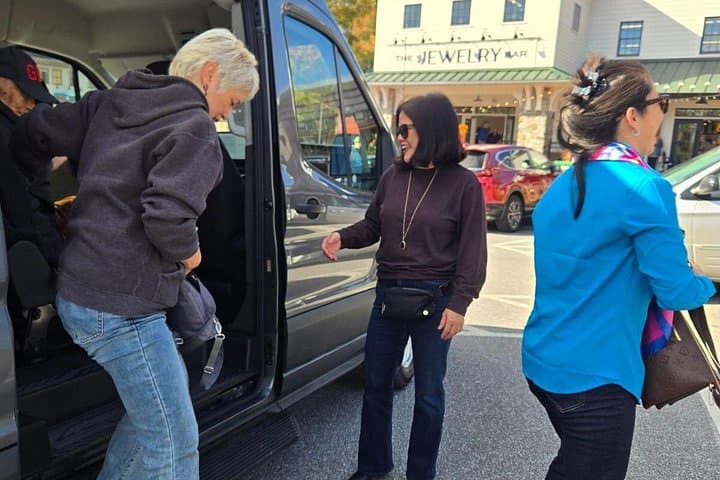
You step out of an air-conditioned vehicle and immediately the country takes the lead: fields roll westward in neat, fenced bands; a horse-drawn buggy eases down a side road as cornrows face the morning sun. The guide points out a white clapboard meetinghouse across a lane and steers you toward a market where the smell of baking and wood smoke dares you to slow down.
Verified experiences and guided adventures in the surrounding area.
Operated by Unique Lancaster Experiences · Lancaster, Pennsylvania
You step out of an air-conditioned vehicle and immediately the country takes the lead: fields roll westward in neat, fenced bands; a horse-drawn buggy eases down a side road as cornrows face the morning sun. The guide points out a white clapboard meetinghouse across a lane and steers you toward a market where the smell of baking and wood smoke dares you to slow down.
Lancaster County sits on the limestone-rich floor of Pennsylvania’s Great Valley, soils shaped by shale and carbonate rock that made this one of America’s most productive agricultural regions. Its cultural roots run deep — German-speaking Anabaptist groups, including Amish and Mennonite communities, settled here in the 18th century and left a visible imprint in quilt designs, barn architecture, and foodways. Towns like Strasburg, Intercourse, and Lititz grew around mills, rail lines, and market halls and now host artisans and family-run shops.
A private four‑hour tour stitches those threads together: a curated stop at Bird-in-Hand Farmers Market, a stroll through Kitchen Kettle Village, a quirky detour to Mary’s Gifts, and time to sample Shady Maple’s regional fare. Expect short walks on paved and gravel surfaces, gentle country drives, and plenty of photo opportunities — but also clear boundaries: private farms are private, and photographic etiquette matters.
Practical side: bring small bills for markets, wear comfortable shoes for boardwalks and stoops, and plan morning or late‑afternoon departures to avoid buffet crowds and midday heat. Your guide manages logistics and local context; you manage curiosity and respect. The trip is low‑impact, high‑contact with local culture — an efficient way to read Lancaster’s landscape without rushing it.
easy.
4 hours.
Suitable for all fitness levels; involves short, gentle walks and vehicle transfers
This private charter accommodates small groups and larger parties roughly in the range of 6–30+, with vehicle size adjusted to your group.
Food is not included; the itinerary includes stops like Shady Maple or market stalls where you can purchase regional dishes or snacks.
The tour notes stroller accessibility for infants and small children; accessibility for wheelchairs varies by stop — confirm special requirements when booking.
Photography of people in private or working on farms should be avoided without consent; photographing landscapes, barns, and public displays is appropriate.
Settlement by German-speaking Anabaptists in the 18th century shaped Lancaster’s culture; farming techniques and plain dress reflected religious values and practicality.
Respect private farmland and livestock by staying on public roads and designated areas; support small businesses and seasonal markets to keep local economies resilient.
Unique Lancaster Experiences operates guided outdoor trips and adventures with an emphasis on safety, stewardship, and memorable experiences.
You step out of an air-conditioned vehicle and immediately the country takes the lead: fields roll westward in neat, fenced bands; a horse-drawn buggy eases down a side road as cornrows face the morning sun. The guide points out a white clapboard meetinghouse across a lane and steers you toward a market where the smell of baking and wood smoke dares you to slow down.
You step out of an air-conditioned vehicle and immediately the country takes the lead: fields roll westward in neat, fenced bands; a horse-drawn buggy eases down a side road as cornrows face the morning sun. The guide points out a white clapboard meetinghouse across a lane and steers you toward a market where the smell of baking and wood smoke dares you to slow down.
Lancaster County sits on the limestone-rich floor of Pennsylvania’s Great Valley, soils shaped by shale and carbonate rock that made this one of America’s most productive agricultural regions. Its cultural roots run deep — German-speaking Anabaptist groups, including Amish and Mennonite communities, settled here in the 18th century and left a visible imprint in quilt designs, barn architecture, and foodways. Towns like Strasburg, Intercourse, and Lititz grew around mills, rail lines, and market halls and now host artisans and family-run shops.
A private four‑hour tour stitches those threads together: a curated stop at Bird-in-Hand Farmers Market, a stroll through Kitchen Kettle Village, a quirky detour to Mary’s Gifts, and time to sample Shady Maple’s regional fare. Expect short walks on paved and gravel surfaces, gentle country drives, and plenty of photo opportunities — but also clear boundaries: private farms are private, and photographic etiquette matters.
Practical side: bring small bills for markets, wear comfortable shoes for boardwalks and stoops, and plan morning or late‑afternoon departures to avoid buffet crowds and midday heat. Your guide manages logistics and local context; you manage curiosity and respect. The trip is low‑impact, high‑contact with local culture — an efficient way to read Lancaster’s landscape without rushing it.