THE ADVENTURE COLLECTIVE® · Independent discovery and booking for outdoor travel

A private, three-hour walkthrough of Ground Zero that combines St. Paul’s Chapel, the 9/11 Memorial and Museum, and a SkyPod ride to One World Observatory. Expect reflective outdoor spaces, artifact-driven exhibits, and panoramic city views.
A private, three-hour walkthrough of Ground Zero that combines St. Paul’s Chapel, the 9/11 Memorial and Museum, and a SkyPod ride to One World Observatory. Expect reflective outdoor spaces, artifact-driven exhibits, and panoramic city views.
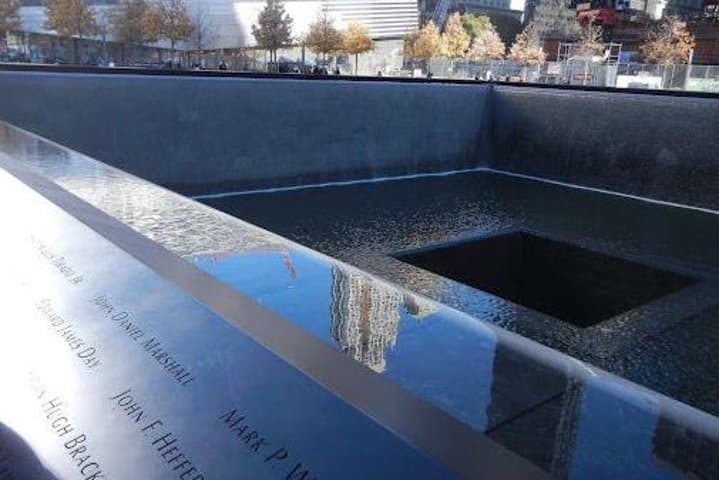
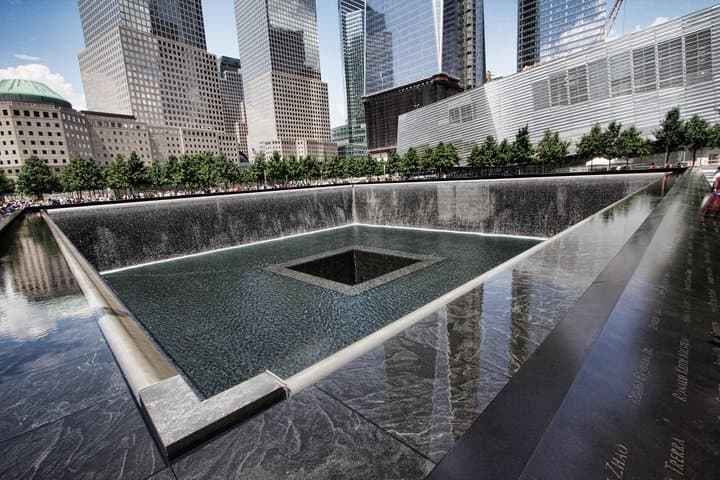
You step out of the subterranean light of the Oculus into an open plaza that still carries the weight of a day that changed a city. Wind moves across the memorial pools; water runs in disciplined sheets and seems to pull memories toward its voids. The guide, orange flag in hand, leads you past St. Paul’s Chapel — a 1766 church that became an improbable refuge — and into a sequence of places that hold both loss and the grit of everyday recovery.
Verified experiences and guided adventures in the surrounding area.
Operated by ExperienceFirst · New York, New York
You step out of the subterranean light of the Oculus into an open plaza that still carries the weight of a day that changed a city. Wind moves across the memorial pools; water runs in disciplined sheets and seems to pull memories toward its voids. The guide, orange flag in hand, leads you past St. Paul’s Chapel — a 1766 church that became an improbable refuge — and into a sequence of places that hold both loss and the grit of everyday recovery.
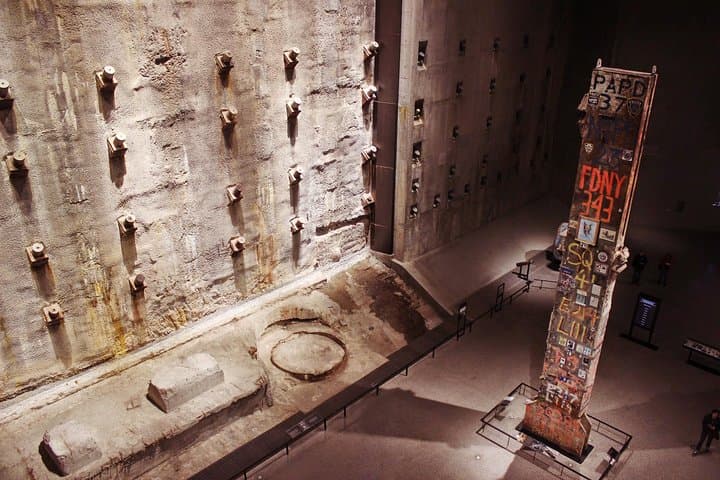
Ground Zero is layered history: the colonial-era chapel and the World Trade Center’s late-20th-century skyline are built on Manhattan schist and landfill along the Hudson’s edge. The memorial’s twin voids — "Reflecting Absence" — are quieter than the city, their waterfalls the continent’s largest human-made falls, shaping how visitors move and reflect. Inside the 9/11 Museum, artifacts and oral histories are arranged to preserve testimony without spectacle; fiscal and civic decisions after 2001 reshaped Lower Manhattan into a mix of memorial, transit hub, and commercial center.
Expect a measured mix of outdoor plaza time and indoor exhibits. You’ll pass the Survivor Tree, listen to personal accounts from your private guide, then skip the general line at the museum before riding the SkyPod elevator to One World Observatory for expansive views of Manhattan and the Hudson daring you to trace the shoreline.
Practicalities: allow three hours, bring a government ID for security checks, wear comfortable shoes for pavement and museum ramps, and plan transit — the Oculus is a major hub. Visit early or late afternoon to avoid midday crowds and to see the city light shift over the bay.
easy.
3 hours.
Suitable for most fitness levels; involves standing and walking on paved surfaces for up to 90 minutes outdoors and indoors.
Meet inside the Oculus on Level C2 by L'Arte del Gelato; the guide will be holding an orange flag and will arrive about 10 minutes early.
Yes — expect airport-style security at both the 9/11 Museum and One World Observatory; prohibited items may be restricted.
Yes — the itinerary and facilities are wheelchair accessible, with level surfaces and elevator access throughout.
Children are welcome (ages 0–5 free with paid adult); strollers are permitted but expect to fold them during security checks and in tight exhibit spaces.
St. Paul’s Chapel (1766) survived the 2001 collapse and became a relief center; the memorial and museum were conceived to preserve artifacts and first-person accounts of that day.
The museum and memorial emphasize careful preservation of artifacts and respectful visitation; use public transit and avoid leaving litter to reduce site impact.
ExperienceFirst operates guided outdoor trips and adventures with an emphasis on safety, stewardship, and memorable experiences.
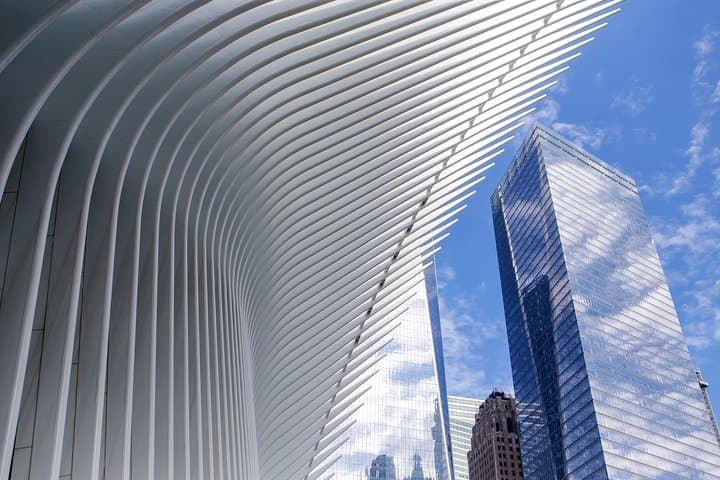
You step out of the subterranean light of the Oculus into an open plaza that still carries the weight of a day that changed a city. Wind moves across the memorial pools; water runs in disciplined sheets and seems to pull memories toward its voids. The guide, orange flag in hand, leads you past St. Paul’s Chapel — a 1766 church that became an improbable refuge — and into a sequence of places that hold both loss and the grit of everyday recovery.
You step out of the subterranean light of the Oculus into an open plaza that still carries the weight of a day that changed a city. Wind moves across the memorial pools; water runs in disciplined sheets and seems to pull memories toward its voids. The guide, orange flag in hand, leads you past St. Paul’s Chapel — a 1766 church that became an improbable refuge — and into a sequence of places that hold both loss and the grit of everyday recovery.
Ground Zero is layered history: the colonial-era chapel and the World Trade Center’s late-20th-century skyline are built on Manhattan schist and landfill along the Hudson’s edge. The memorial’s twin voids — "Reflecting Absence" — are quieter than the city, their waterfalls the continent’s largest human-made falls, shaping how visitors move and reflect. Inside the 9/11 Museum, artifacts and oral histories are arranged to preserve testimony without spectacle; fiscal and civic decisions after 2001 reshaped Lower Manhattan into a mix of memorial, transit hub, and commercial center.
Expect a measured mix of outdoor plaza time and indoor exhibits. You’ll pass the Survivor Tree, listen to personal accounts from your private guide, then skip the general line at the museum before riding the SkyPod elevator to One World Observatory for expansive views of Manhattan and the Hudson daring you to trace the shoreline.
Practicalities: allow three hours, bring a government ID for security checks, wear comfortable shoes for pavement and museum ramps, and plan transit — the Oculus is a major hub. Visit early or late afternoon to avoid midday crowds and to see the city light shift over the bay.