THE ADVENTURE COLLECTIVE® · Independent discovery and booking for outdoor travel

Explore Al Madam’s eerie, sand-swallowed houses with a local photographer who knows every angle. This private late‑afternoon tour pairs desert light with practical instruction so you leave with stronger photos and a memorable sunset session.
Explore Al Madam’s eerie, sand-swallowed houses with a local photographer who knows every angle. This private late‑afternoon tour pairs desert light with practical instruction so you leave with stronger photos and a memorable sunset session.
The sun tilts low and the ruined roofs throw long, ragged shadows across a village half-swallowed by sand; wind sketches soft ridges along the dunes and the photographer at your side points out the light that will make the frame sing.
Verified experiences and guided adventures in the surrounding area.
Operated by SHUGA TOURS · Al Madam, Sharjah
The sun tilts low and the ruined roofs throw long, ragged shadows across a village half-swallowed by sand; wind sketches soft ridges along the dunes and the photographer at your side points out the light that will make the frame sing.
Al Madam’s ghost village sits on the eastern edge of Dubai’s desert plains, a cluster of mud-and-cement houses gradually buried by encroaching dunes. Locals and visitors trade explanations—poor siting, economic shifts, whispered ghost stories—but the visual fact is the same: geometry and erosion have combined to create cinematic ruins and clean, sculpted sand.
Geologically this is recent desert landscape—mobile aeolian sands riding over compacted flats—so you’ll see sharp dune crests, wind-polished plaster, and buildings tilted by shifting substrates. Culturally, the site sits within the Emirate of Sharjah’s rural corridor; a guide will frame compositions with context about traditional life and why settlements here were ultimately unsustainable.
Practical guidance is straightforward. The private tour includes round-trip transport from Dubai and lasts about four to five hours, timed for late afternoon and golden hour. Expect short walks on loose sand and uneven floors—sturdy, closed-toe shoes and a sun hat are non-negotiable. Bring extra batteries and memory cards: remote light and wide negative space make exposures and bracketing useful techniques. Respect the fragile structures—don’t climb on unstable roofs—and watch for wildlife like skittish lizards and small desert foxes when framing low-angle shots.
You’ll leave with curated, intentional images and practical composition tools you can apply to urban or wild shoots alike, plus the memory of walking barefoot on warm dunes while the village exhales the last light of day.
easy.
4–5 hours.
Light walking on loose sand and uneven ruin floors; suitable for most fitness levels but requires basic mobility.
Yes—the tour includes private round-trip transportation from Dubai; travel time is roughly 1–1.5 hours each way depending on your hotel location.
Some camera gear can be provided if requested at booking and subject to availability; confirm lenses or tripods in advance.
Late afternoon into golden hour and early evening provides the richest directional light and longer shadows that emphasize textures.
The tour is rated easy but involves walking on loose sand and around unstable ruins; it’s not recommended for travelers with serious cardiovascular issues.
Al Madam’s houses were gradually abandoned as shifting sands and unsuitable siting made long-term settlement difficult; local lore adds layers of mystery but the physical cause is environmental.
The site is fragile—avoid removing artifacts, stay on durable surfaces where possible, and pack out all trash to limit impact on the desert and ruins.
SHUGA TOURS operates guided outdoor trips and adventures with an emphasis on safety, stewardship, and memorable experiences.


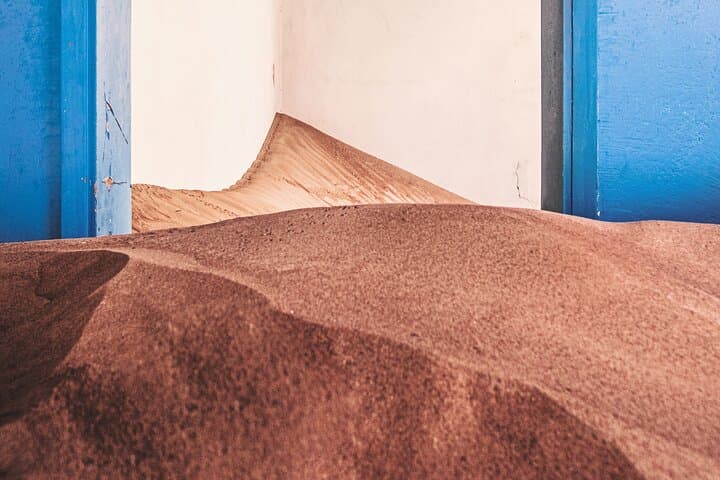
The sun tilts low and the ruined roofs throw long, ragged shadows across a village half-swallowed by sand; wind sketches soft ridges along the dunes and the photographer at your side points out the light that will make the frame sing.
The sun tilts low and the ruined roofs throw long, ragged shadows across a village half-swallowed by sand; wind sketches soft ridges along the dunes and the photographer at your side points out the light that will make the frame sing.
Al Madam’s ghost village sits on the eastern edge of Dubai’s desert plains, a cluster of mud-and-cement houses gradually buried by encroaching dunes. Locals and visitors trade explanations—poor siting, economic shifts, whispered ghost stories—but the visual fact is the same: geometry and erosion have combined to create cinematic ruins and clean, sculpted sand.
Geologically this is recent desert landscape—mobile aeolian sands riding over compacted flats—so you’ll see sharp dune crests, wind-polished plaster, and buildings tilted by shifting substrates. Culturally, the site sits within the Emirate of Sharjah’s rural corridor; a guide will frame compositions with context about traditional life and why settlements here were ultimately unsustainable.
Practical guidance is straightforward. The private tour includes round-trip transport from Dubai and lasts about four to five hours, timed for late afternoon and golden hour. Expect short walks on loose sand and uneven floors—sturdy, closed-toe shoes and a sun hat are non-negotiable. Bring extra batteries and memory cards: remote light and wide negative space make exposures and bracketing useful techniques. Respect the fragile structures—don’t climb on unstable roofs—and watch for wildlife like skittish lizards and small desert foxes when framing low-angle shots.
You’ll leave with curated, intentional images and practical composition tools you can apply to urban or wild shoots alike, plus the memory of walking barefoot on warm dunes while the village exhales the last light of day.