THE ADVENTURE COLLECTIVE® · Independent discovery and booking for outdoor travel

Explore Al Ain’s palm-fed oasis, morning camel market and Jebel Hafeet panoramas with a local Emirati guide. This private half-day tour pairs archaeological insight with hands-on cultural encounters.
Explore Al Ain’s palm-fed oasis, morning camel market and Jebel Hafeet panoramas with a local Emirati guide. This private half-day tour pairs archaeological insight with hands-on cultural encounters.
You step out before sunrise into a market where camels stand patient and the air already smells of coffee and dry earth. The guide steers you through trading rows, then you climb toward Jebel Hafeet where the road tightens and the city spreads below like a living map of palms and mud-brick roofs.
Verified experiences and guided adventures in the surrounding area.
Operated by Tour by Emirati · Al Ain, Abu Dhabi
You step out before sunrise into a market where camels stand patient and the air already smells of coffee and dry earth. The guide steers you through trading rows, then you climb toward Jebel Hafeet where the road tightens and the city spreads below like a living map of palms and mud-brick roofs.
Al Ain is one of the oldest continuously inhabited places in the Arabian Peninsula, with human activity dating back to roughly 4000 BCE. The landscape is desert folded around an alluvial plain and the limestone outcrop of Jebel Hafeet, which offers panoramic views and reveals geological layers shaped by ancient seas. Culture here is grounded in oasis life: the falaj irrigation channels that feed groves of date palms, the camel as practical heritage and status symbol, and the restored residences of the Al Nahyan family that chart modern UAE history.
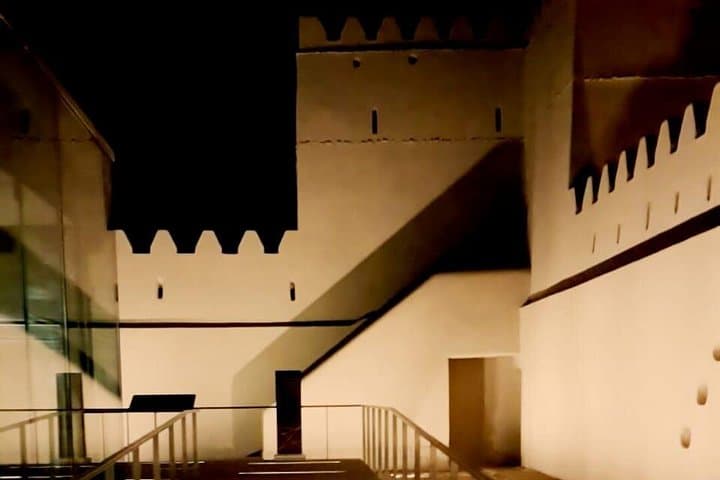
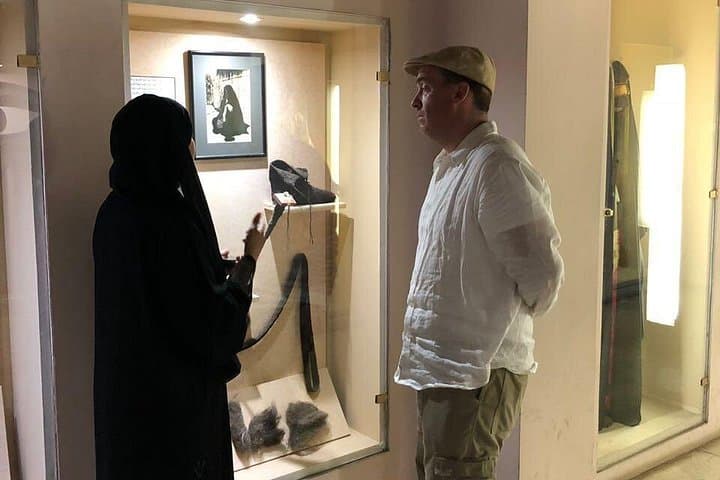
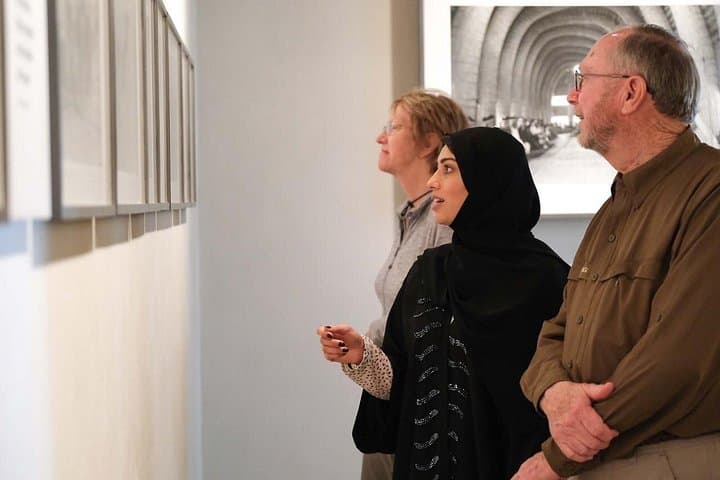
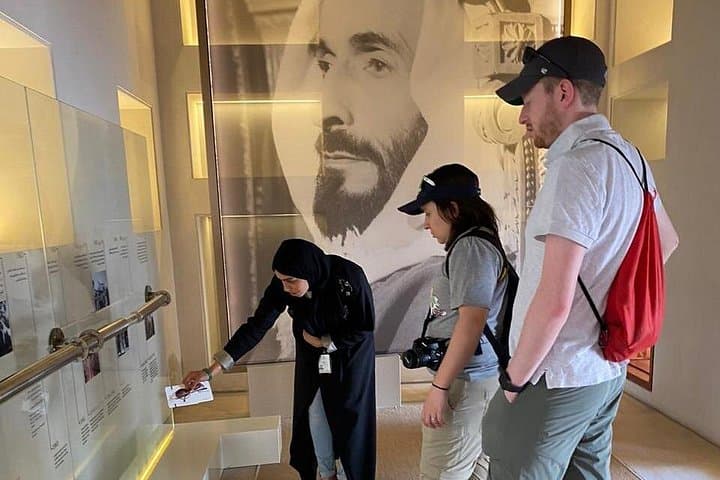
On a private tour you can visit the camel market, Al Ain Museum and Al Ain Oasis, and pause at Al Ain Palace or Al Jahili Fort. Expect short walks on compacted soil, shaded promenades through palm plantations and a steep drive up Jebel Hafeet.
Practical guidance: book early-morning slots in summer to avoid heat, bring at least 1.5–2 liters of water, wear closed-toe walking shoes and sun protection, and carry small cash for market purchases. Photography is welcomed but be respectful when photographing people. The pace is gentle — cultural immersion, not a trek — but the contrast between desert and cultivated oasis is striking and immediate.
easy.
6 hours.
Suitable for most fitness levels; involves short, flat walks and one scenic drive up a mountain road
Yes—private tours generally include hotel pickup and drop-off within Al Ain; confirm your pickup point at booking.
Some sites listed in itineraries include admission, but confirm specific inclusions with the operator for museums or special exhibitions.
The camel market operates daily but is most active early morning; animal activity is visible throughout the day.
Many stops, including parts of Al Ain Oasis and museums, have accessible sections, but the Jebel Hafeet overlook involves a vehicle ascent—confirm accessibility needs before booking.
Al Ain’s irrigation-fed oases supported settlements from around 4000 BCE; the city later became central to the Al Nahyan family and the formation of the UAE.
The region prioritizes protection of ancient falaj systems and archaeological sites; visitors should stick to marked paths and avoid disturbing flora and fauna.
Tour by Emirati operates guided outdoor trips and adventures with an emphasis on safety, stewardship, and memorable experiences.
You step out before sunrise into a market where camels stand patient and the air already smells of coffee and dry earth. The guide steers you through trading rows, then you climb toward Jebel Hafeet where the road tightens and the city spreads below like a living map of palms and mud-brick roofs.
You step out before sunrise into a market where camels stand patient and the air already smells of coffee and dry earth. The guide steers you through trading rows, then you climb toward Jebel Hafeet where the road tightens and the city spreads below like a living map of palms and mud-brick roofs.
Al Ain is one of the oldest continuously inhabited places in the Arabian Peninsula, with human activity dating back to roughly 4000 BCE. The landscape is desert folded around an alluvial plain and the limestone outcrop of Jebel Hafeet, which offers panoramic views and reveals geological layers shaped by ancient seas. Culture here is grounded in oasis life: the falaj irrigation channels that feed groves of date palms, the camel as practical heritage and status symbol, and the restored residences of the Al Nahyan family that chart modern UAE history.
On a private tour you can visit the camel market, Al Ain Museum and Al Ain Oasis, and pause at Al Ain Palace or Al Jahili Fort. Expect short walks on compacted soil, shaded promenades through palm plantations and a steep drive up Jebel Hafeet.
Practical guidance: book early-morning slots in summer to avoid heat, bring at least 1.5–2 liters of water, wear closed-toe walking shoes and sun protection, and carry small cash for market purchases. Photography is welcomed but be respectful when photographing people. The pace is gentle — cultural immersion, not a trek — but the contrast between desert and cultivated oasis is striking and immediate.