THE ADVENTURE COLLECTIVE® · Independent discovery and booking for outdoor travel

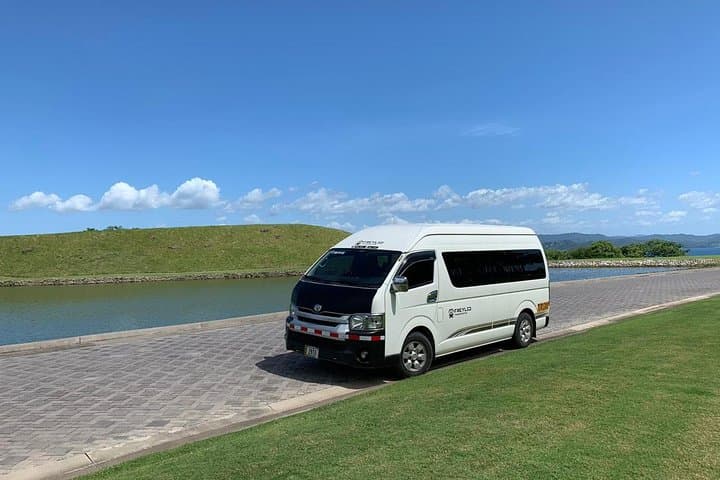
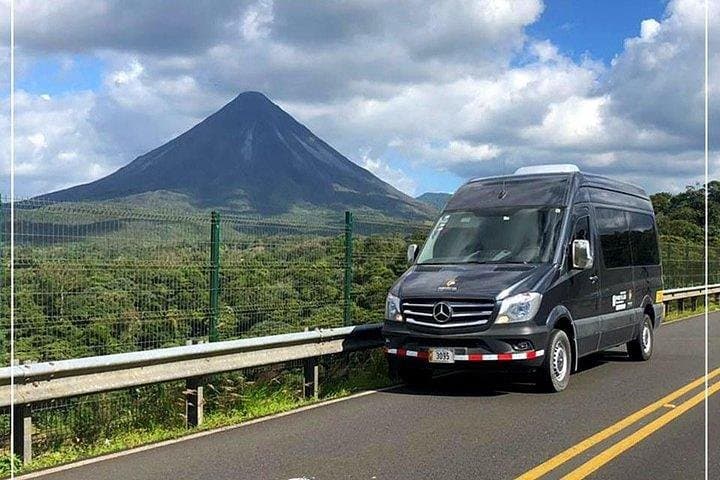
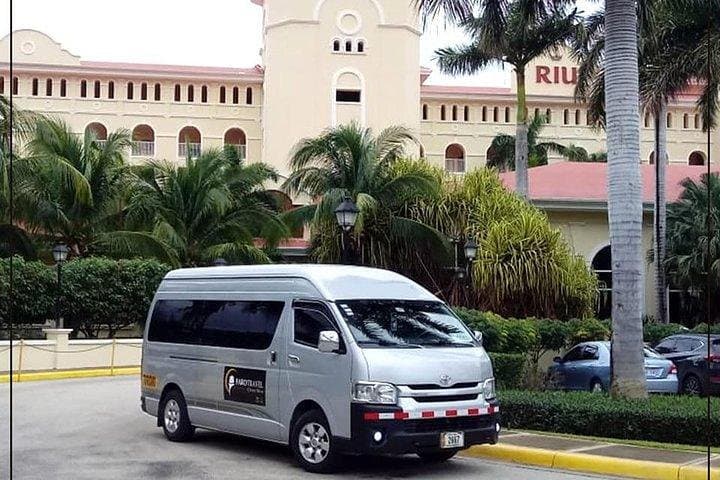
Skip the shuttle lines and the guesswork: a private minivan from SJO delivers you straight to Manuel Antonio in roughly three hours. Comfortable vans, bilingual drivers, and an hour of free waiting time make this the practical choice for groups and families headed to Costa Rica’s Pacific coast.
Skip the shuttle lines and the guesswork: a private minivan from SJO delivers you straight to Manuel Antonio in roughly three hours. Comfortable vans, bilingual drivers, and an hour of free waiting time make this the practical choice for groups and families headed to Costa Rica’s Pacific coast.
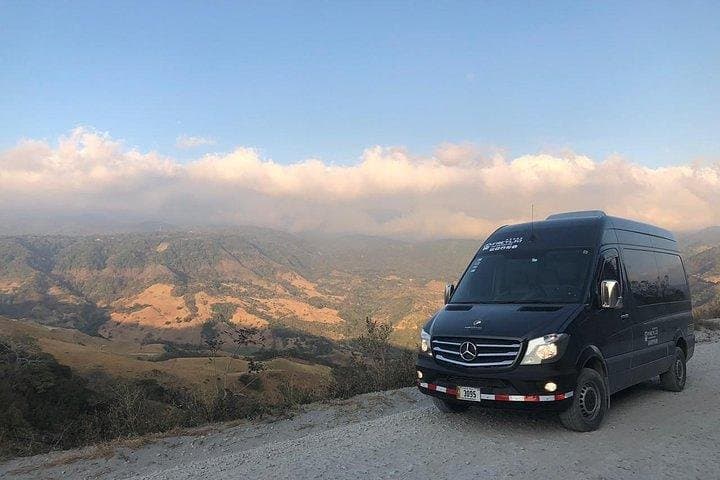
You step out of Juan Santamaría into warm, humid air and slide into an air‑conditioned minivan that hums south toward the Pacific. Windows frame a changing landscape: the high volcanic ridges of the Central Valley give way to lower foothills, then the coastal palms and surf of the Puntarenas province. The drive feels like a transit through Costa Rica’s geological story — uplifted volcanic terrain descending into the marine terraces of the Pacific coast.
Verified experiences and guided adventures in the surrounding area.
Operated by Faro Travel Costa Rica · Manuel Antonio, Puntarenas
You step out of Juan Santamaría into warm, humid air and slide into an air‑conditioned minivan that hums south toward the Pacific. Windows frame a changing landscape: the high volcanic ridges of the Central Valley give way to lower foothills, then the coastal palms and surf of the Puntarenas province. The drive feels like a transit through Costa Rica’s geological story — uplifted volcanic terrain descending into the marine terraces of the Pacific coast.
The route threads past towns with fishing roots like Quepos and through countryside shaped by volcanic soils that support coffee farms and lush secondary rainforest. Manuel Antonio’s national park, created in 1972 to protect one of the country’s smallest yet most biodiverse reserves, sits at sea level and has long attracted naturalists and beachgoers alike.
Culturally, the ride sketches the shift from urban San José to a relaxed coastal rhythm: bilingual drivers often share local tips, and small roadside sodas serve fresh fruit. Expect one main highway stretch and a final rolling approach with occasional steep grades and coastal views.
Practically, the transfer covers roughly 160–175 km and takes about three hours depending on traffic. Vehicles are air‑conditioned minibuses with onboard Wi‑Fi, bottled water, and an hour of free waiting time for bathroom breaks or photos. Provide your airline, flight number and arrival time, and request infant seats if needed. Travel light, bring sunscreen and insect repellent, and plan for potential tolls and Friday/Sunday traffic. For many visitors, this private transport removes the logistics stress so you arrive ready to walk the park trails and watch monkeys move through the canopy.
easy.
3 hours.
No fitness required; suitable for all travelers, including families and older adults
Typical driving time is about 3 hours (roughly 160–175 km), though traffic and road works can extend the trip.
Yes — provide your airline and flight number; drivers generally monitor arrivals but notify the operator of major delays if possible.
Specialized infant seats are available; indicate age/weight in booking so the operator can provide the correct seat.
The price covers up to 6 passengers in a minivan; standard checked luggage and carry‑ons are accepted but inform the operator of extra or oversized items.
Manuel Antonio area shifted from a small fishing settlement to a protected national park in 1972, helping preserve coastal rainforest and marine habitats.
Visitors should not feed wildlife, stay on marked paths in the park, and reduce plastic use; choose local operators who follow park and coastal protection guidelines.
Faro Travel Costa Rica operates guided outdoor trips and adventures with an emphasis on safety, stewardship, and memorable experiences.
You step out of Juan Santamaría into warm, humid air and slide into an air‑conditioned minivan that hums south toward the Pacific. Windows frame a changing landscape: the high volcanic ridges of the Central Valley give way to lower foothills, then the coastal palms and surf of the Puntarenas province. The drive feels like a transit through Costa Rica’s geological story — uplifted volcanic terrain descending into the marine terraces of the Pacific coast.
You step out of Juan Santamaría into warm, humid air and slide into an air‑conditioned minivan that hums south toward the Pacific. Windows frame a changing landscape: the high volcanic ridges of the Central Valley give way to lower foothills, then the coastal palms and surf of the Puntarenas province. The drive feels like a transit through Costa Rica’s geological story — uplifted volcanic terrain descending into the marine terraces of the Pacific coast.
The route threads past towns with fishing roots like Quepos and through countryside shaped by volcanic soils that support coffee farms and lush secondary rainforest. Manuel Antonio’s national park, created in 1972 to protect one of the country’s smallest yet most biodiverse reserves, sits at sea level and has long attracted naturalists and beachgoers alike.
Culturally, the ride sketches the shift from urban San José to a relaxed coastal rhythm: bilingual drivers often share local tips, and small roadside sodas serve fresh fruit. Expect one main highway stretch and a final rolling approach with occasional steep grades and coastal views.
Practically, the transfer covers roughly 160–175 km and takes about three hours depending on traffic. Vehicles are air‑conditioned minibuses with onboard Wi‑Fi, bottled water, and an hour of free waiting time for bathroom breaks or photos. Provide your airline, flight number and arrival time, and request infant seats if needed. Travel light, bring sunscreen and insect repellent, and plan for potential tolls and Friday/Sunday traffic. For many visitors, this private transport removes the logistics stress so you arrive ready to walk the park trails and watch monkeys move through the canopy.