THE ADVENTURE COLLECTIVE® · Independent discovery and booking for outdoor travel

Take India’s fastest executive train from Delhi for a focused, private day exploring the Taj Mahal at dawn and Akbar’s Agra Fort. This full-day itinerary combines efficient travel with guided access to Agra’s signature Mughal monuments.
Take India’s fastest executive train from Delhi for a focused, private day exploring the Taj Mahal at dawn and Akbar’s Agra Fort. This full-day itinerary combines efficient travel with guided access to Agra’s signature Mughal monuments.
The Gatimaan Express pulls into Agra Cantt with a quiet whistle; glass and chrome catch the first amber of morning as your guide waits with a placard. A short drive unfurls through lanes where vendors set up sweet shops and the Yamuna watches the city from the sidelines, as if nudging visitors toward the riverfront gardens.
Verified experiences and guided adventures in the surrounding area.
Operated by Sejwal Holidays · Agra, Uttar Pradesh
The Gatimaan Express pulls into Agra Cantt with a quiet whistle; glass and chrome catch the first amber of morning as your guide waits with a placard. A short drive unfurls through lanes where vendors set up sweet shops and the Yamuna watches the city from the sidelines, as if nudging visitors toward the riverfront gardens.
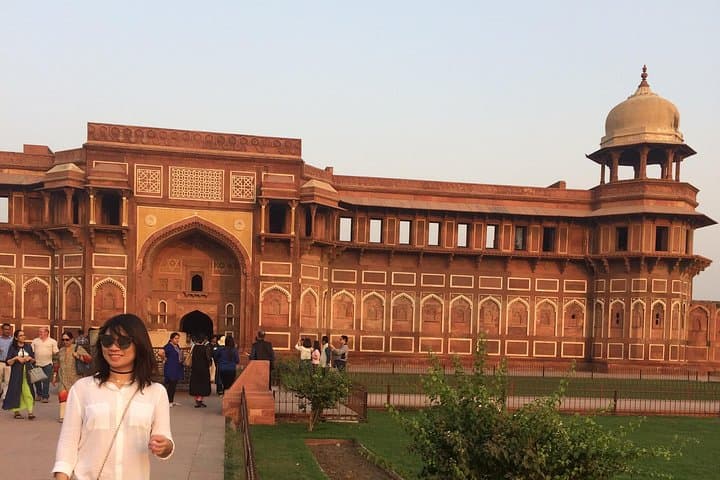
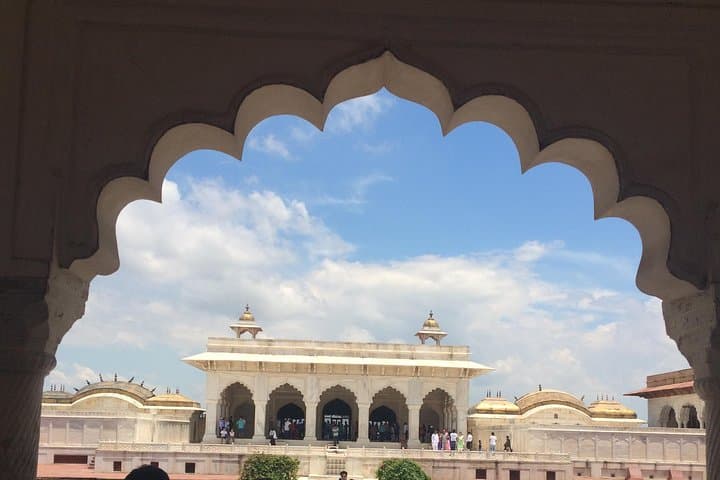
The day centers on two Mughal-era masterpieces. The Taj Mahal, Shah Jahan’s 17th-century marble mausoleum, changes color with the sun—pale and spectral at dawn, warm and luminous by mid-morning. The Agra Fort, a sprawling red-sandstone citadel begun under Akbar, offers compact courtyards, private chambers and commanding views over the river where history feels close enough to touch.
Geologically, Agra sits on the Indo-Gangetic plains: flat alluvial land that allowed the Mughals to plan broad gardens and long sightlines, and that still makes for easy walking between sites. Culturally the city hums with craft—marble inlay, leatherwork and street food—offering more than monuments for those who look.
Practical guidance: expect a full day (train round-trip plus touring). Carry your passport and ticket copies, wear comfortable shoes for paved and uneven surfaces, and bring sun protection—shade is limited. Photography is allowed, but larger tripods and drones are restricted; follow your guide for ticket queues and security checks. If train seats are unavailable, the operator substitutes a private car at no extra cost.
This itinerary suits travelers who want a focused, efficient introduction to Agra’s architectural highlights without overnight logistics—arrive early, move deliberately, and leave time to watch the Taj from across the Yamuna as the light softens.
easy.
12–14 hours.
Suitable for most fitness levels; requires walking on paved and uneven surfaces and standing during monument visits.
Yes—the itinerary lists monument entrance as included; your guide will handle tickets and entry procedures.
Yes—Gatimaan Express Executive Class round-trip tickets between Delhi and Agra are provided as part of the tour.
The operator will provide a private car transfer without extra cost if train seats cannot be booked.
Photography is permitted in most outdoor areas; rules differ inside galleries and specific chambers—follow your guide and posted signs.
The Taj Mahal was commissioned by Emperor Shah Jahan in the mid-17th century as a mausoleum for Mumtaz Mahal; Agra Fort predates it, expanded under Akbar and later rulers into a royal complex.
High visitor numbers stress marble and grounds—avoid touching surfaces, use designated paths, and dispose of waste properly to support ongoing preservation efforts.
Sejwal Holidays operates guided outdoor trips and adventures with an emphasis on safety, stewardship, and memorable experiences.


The Gatimaan Express pulls into Agra Cantt with a quiet whistle; glass and chrome catch the first amber of morning as your guide waits with a placard. A short drive unfurls through lanes where vendors set up sweet shops and the Yamuna watches the city from the sidelines, as if nudging visitors toward the riverfront gardens.
The Gatimaan Express pulls into Agra Cantt with a quiet whistle; glass and chrome catch the first amber of morning as your guide waits with a placard. A short drive unfurls through lanes where vendors set up sweet shops and the Yamuna watches the city from the sidelines, as if nudging visitors toward the riverfront gardens.
The day centers on two Mughal-era masterpieces. The Taj Mahal, Shah Jahan’s 17th-century marble mausoleum, changes color with the sun—pale and spectral at dawn, warm and luminous by mid-morning. The Agra Fort, a sprawling red-sandstone citadel begun under Akbar, offers compact courtyards, private chambers and commanding views over the river where history feels close enough to touch.
Geologically, Agra sits on the Indo-Gangetic plains: flat alluvial land that allowed the Mughals to plan broad gardens and long sightlines, and that still makes for easy walking between sites. Culturally the city hums with craft—marble inlay, leatherwork and street food—offering more than monuments for those who look.
Practical guidance: expect a full day (train round-trip plus touring). Carry your passport and ticket copies, wear comfortable shoes for paved and uneven surfaces, and bring sun protection—shade is limited. Photography is allowed, but larger tripods and drones are restricted; follow your guide for ticket queues and security checks. If train seats are unavailable, the operator substitutes a private car at no extra cost.
This itinerary suits travelers who want a focused, efficient introduction to Agra’s architectural highlights without overnight logistics—arrive early, move deliberately, and leave time to watch the Taj from across the Yamuna as the light softens.