THE ADVENTURE COLLECTIVE® · Independent discovery and booking for outdoor travel

Spend an efficient afternoon in South Bali visiting the monumental GWK statue, cliff-top Uluwatu Temple with its iconic Kecak dance at sunset, and a relaxed seafood dinner on Jimbaran Bay. This private half-day pairs big views with cultural performance and beachside dining.
Spend an efficient afternoon in South Bali visiting the monumental GWK statue, cliff-top Uluwatu Temple with its iconic Kecak dance at sunset, and a relaxed seafood dinner on Jimbaran Bay. This private half-day pairs big views with cultural performance and beachside dining.
You arrive on a warm south-Bali afternoon and the first thing you notice is scale: the Garuda Wisnu Kencana (GWK) statue lifts itself above the coastline, metal and stone catching late light like a deliberate silhouette.
Verified experiences and guided adventures in the surrounding area.
Operated by Bali Tourist Information · Ungasan, Bali
You arrive on a warm south-Bali afternoon and the first thing you notice is scale: the Garuda Wisnu Kencana (GWK) statue lifts itself above the coastline, metal and stone catching late light like a deliberate silhouette.
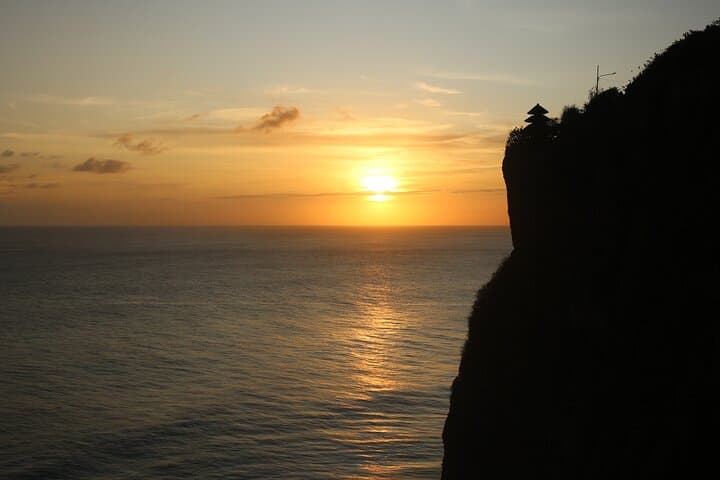
From GWK’s high terraces the urban grid of Denpasar and the sweep of Benoa Harbor spread below, a modern marker before the coastline narrows toward Uluwatu’s raw cliffs. Uluwatu Temple sits on a 70–100m limestone promontory carved by waves; the sea keeps pushing the rock into sharp profiles and the cliffside becomes the ideal stage for the Kecak dance at sunset. The Kecak—an all-male vocal chorus performing a scene from the Ramayana—adds ritual rhythm to the closing light.
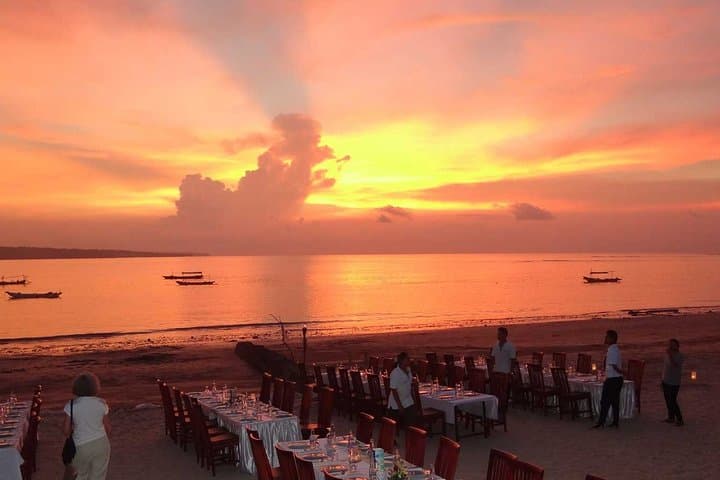
The route ends at Jimbaran Bay, where a former fishing village now sets simple long tables on white sand and grills fresh catch while a breeze dares you to slow down.
Practical note: this private half-day runs about six hours, with short walks, stair sections at Uluwatu and crowded, monkey-prone areas. Bring cash for temple offerings and beachside stalls; entrances and performances may be paid on site. Wear sturdy closed shoes for cliff trails and a sarong or cover-up for temple visits; secure loose items—macaques are persistent. Time your pickup to arrive at Uluwatu 45–60 minutes before sunset for the best vantage and the Kecak performance.
This itinerary blends contemporary sculpture, coastal geology, living ritual and beachside dining into a compact afternoon that’s equal parts cultural context and raw coastal theater.
easy.
6 hours.
Suitable for most fitness levels; expect short stair climbs and uneven cliff paths but no sustained hiking
Typically not included; fees for Uluwatu Temple and Kecak performances are usually paid on site—bring small Indonesian rupiah notes.
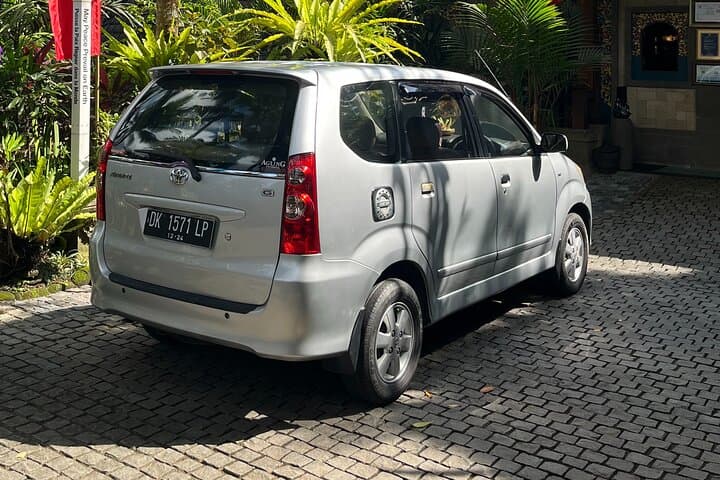
Most private tours include hotel pickup within the pickup area—confirm your pickup point and time at booking and allow traffic buffer time.
Yes; the itinerary is low-impact but includes steps and cliff edges—supervise children and allow slower pacing for older guests.
Monkeys are free-roaming and curious; maintain distance, secure loose items, and follow guide instructions to avoid scratches or theft of belongings.
Uluwatu dates to at least the 11th century as a sea temple with later additions by Javanese revivalists; GWK is a modern cultural park built to celebrate Hindu epics in monumental form.
Coastal erosion and visitor pressure are ongoing concerns—stay on marked paths, respect temple rules and avoid feeding wildlife to reduce human-wildlife conflict.
Bali Tourist Information operates guided outdoor trips and adventures with an emphasis on safety, stewardship, and memorable experiences.

You arrive on a warm south-Bali afternoon and the first thing you notice is scale: the Garuda Wisnu Kencana (GWK) statue lifts itself above the coastline, metal and stone catching late light like a deliberate silhouette.
You arrive on a warm south-Bali afternoon and the first thing you notice is scale: the Garuda Wisnu Kencana (GWK) statue lifts itself above the coastline, metal and stone catching late light like a deliberate silhouette.
From GWK’s high terraces the urban grid of Denpasar and the sweep of Benoa Harbor spread below, a modern marker before the coastline narrows toward Uluwatu’s raw cliffs. Uluwatu Temple sits on a 70–100m limestone promontory carved by waves; the sea keeps pushing the rock into sharp profiles and the cliffside becomes the ideal stage for the Kecak dance at sunset. The Kecak—an all-male vocal chorus performing a scene from the Ramayana—adds ritual rhythm to the closing light.
The route ends at Jimbaran Bay, where a former fishing village now sets simple long tables on white sand and grills fresh catch while a breeze dares you to slow down.
Practical note: this private half-day runs about six hours, with short walks, stair sections at Uluwatu and crowded, monkey-prone areas. Bring cash for temple offerings and beachside stalls; entrances and performances may be paid on site. Wear sturdy closed shoes for cliff trails and a sarong or cover-up for temple visits; secure loose items—macaques are persistent. Time your pickup to arrive at Uluwatu 45–60 minutes before sunset for the best vantage and the Kecak performance.
This itinerary blends contemporary sculpture, coastal geology, living ritual and beachside dining into a compact afternoon that’s equal parts cultural context and raw coastal theater.