THE ADVENTURE COLLECTIVE® · Independent discovery and booking for outdoor travel

Climb the Acropolis with a private guide and pair the hilltop monuments with the Acropolis Museum’s originals. This 3–4 hour guided walk mixes on-site archaeology with curated museum displays—ideal for history-minded travelers who want context, close viewing, and practical tips for navigating the citadel.
Climb the Acropolis with a private guide and pair the hilltop monuments with the Acropolis Museum’s originals. This 3–4 hour guided walk mixes on-site archaeology with curated museum displays—ideal for history-minded travelers who want context, close viewing, and practical tips for navigating the citadel.
You step out of the metro into the white light of Athens and the city slopes toward a single, dominant rise—the Acropolis. The climb up is immediate: uneven marble steps, the murmur of other visitors, and the Parthenon rising like a sculpted horizon. Your guide—licensed, fluent in several languages—keeps the pace deliberate, pointing out the carved rhythms of Doric columns and the theater platforms where dramas once tested civic life.
Verified experiences and guided adventures in the surrounding area.
Operated by Athenian Tours · Athens, Attica
You step out of the metro into the white light of Athens and the city slopes toward a single, dominant rise—the Acropolis. The climb up is immediate: uneven marble steps, the murmur of other visitors, and the Parthenon rising like a sculpted horizon. Your guide—licensed, fluent in several languages—keeps the pace deliberate, pointing out the carved rhythms of Doric columns and the theater platforms where dramas once tested civic life.
This tour threads two kinds of history: the open-air archaeology of the Acropolis and the museum’s carefully lit interiors. On the hill you’ll pass the Theater of Dionysus, the propylaea gateway, Athena Nike’s small temple and the asymmetrical elegance of the Erechtheion. Each stone is 2,500 years old and bears witness to Athens’ classical age under Pericles; the museum houses originals that once crowned these monuments and offers a view of ongoing excavations beneath glass walkways.
Geology here is shallow—limestone bedrock scored by centuries of weather, quarried and reused—but its exposure shapes the cityscape. Culturally, the Acropolis is both a religious center and a modern symbol of democratic heritage, contested and conserved in equal measure.
Practical guidance: allow 3–4 hours, buy or reserve tickets in advance, wear sturdy shoes for slippery marble, and carry water—the site has limited services. Expect steady uphill walking, short stair sections, and crowd movement near the Parthenon. Time your visit for early morning or late afternoon light to avoid the hottest sun and to see the reliefs and friezes in their best detail.
moderate.
3–4 hours.
Should be comfortable walking on uneven terrain and handling short uphill stair sections for several hours; not suitable for mobility-impaired visitors.
The tour lists admission to both the Acropolis and the Acropolis Museum; confirm whether tickets are reserved for your time slot at booking or whether you should purchase them in advance.
Most tours meet at the Acropolis metro station—your confirmation will list the exact meeting spot and time.
The tour is not recommended for children under 6 or visitors with mobility impairments due to uneven steps and uphill walking.
Private guides are available in English, German, Italian, Spanish and Norwegian per the listing—confirm your preferred language when booking.
The Acropolis’ major monuments were reshaped during the 5th century B.C. under Pericles; the Parthenon functioned as temple, treasury and later as a church and mosque before modern preservation efforts.
Extensive conservation projects aim to stabilize and restore marble elements while managing visitor impact; follow marked paths and avoid touching sculptures to support preservation.
Athenian Tours operates guided outdoor trips and adventures with an emphasis on safety, stewardship, and memorable experiences.
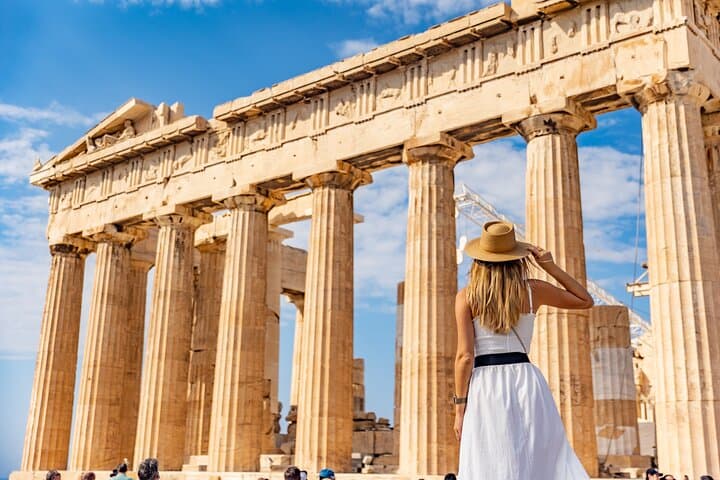
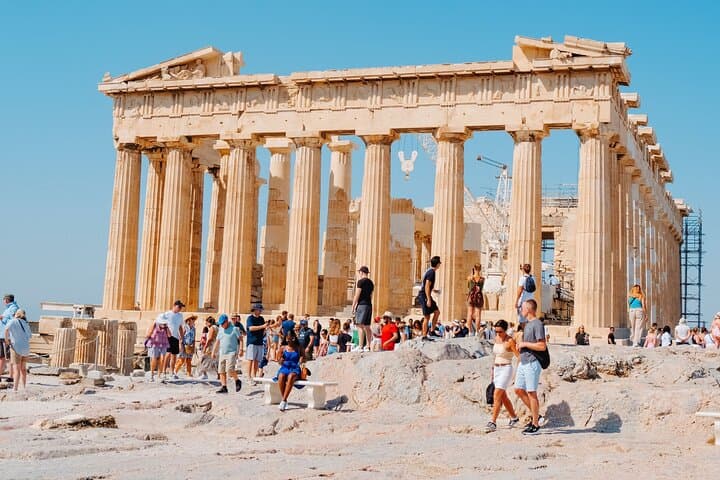
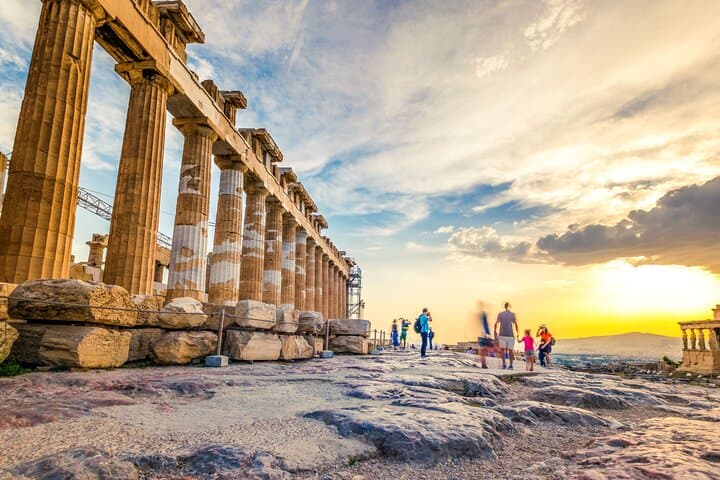
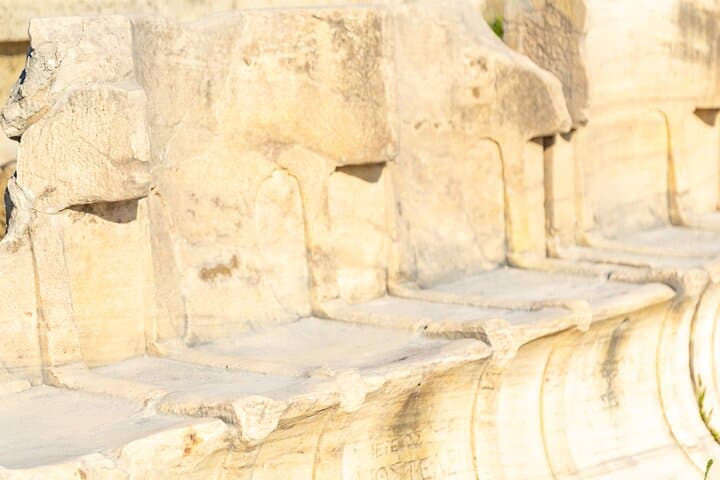
You step out of the metro into the white light of Athens and the city slopes toward a single, dominant rise—the Acropolis. The climb up is immediate: uneven marble steps, the murmur of other visitors, and the Parthenon rising like a sculpted horizon. Your guide—licensed, fluent in several languages—keeps the pace deliberate, pointing out the carved rhythms of Doric columns and the theater platforms where dramas once tested civic life.
You step out of the metro into the white light of Athens and the city slopes toward a single, dominant rise—the Acropolis. The climb up is immediate: uneven marble steps, the murmur of other visitors, and the Parthenon rising like a sculpted horizon. Your guide—licensed, fluent in several languages—keeps the pace deliberate, pointing out the carved rhythms of Doric columns and the theater platforms where dramas once tested civic life.
This tour threads two kinds of history: the open-air archaeology of the Acropolis and the museum’s carefully lit interiors. On the hill you’ll pass the Theater of Dionysus, the propylaea gateway, Athena Nike’s small temple and the asymmetrical elegance of the Erechtheion. Each stone is 2,500 years old and bears witness to Athens’ classical age under Pericles; the museum houses originals that once crowned these monuments and offers a view of ongoing excavations beneath glass walkways.
Geology here is shallow—limestone bedrock scored by centuries of weather, quarried and reused—but its exposure shapes the cityscape. Culturally, the Acropolis is both a religious center and a modern symbol of democratic heritage, contested and conserved in equal measure.
Practical guidance: allow 3–4 hours, buy or reserve tickets in advance, wear sturdy shoes for slippery marble, and carry water—the site has limited services. Expect steady uphill walking, short stair sections, and crowd movement near the Parthenon. Time your visit for early morning or late afternoon light to avoid the hottest sun and to see the reliefs and friezes in their best detail.