THE ADVENTURE COLLECTIVE® · Independent discovery and booking for outdoor travel

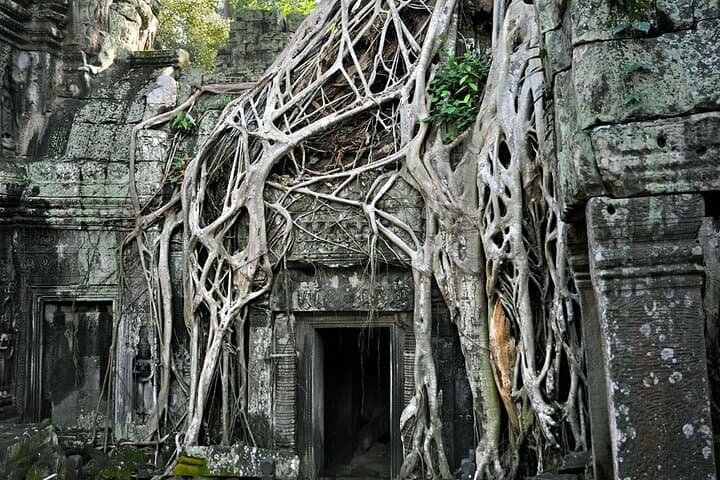
Spend a long day exploring Angkor’s highlights plus quieter jungle temples on a private A/C vehicle tour. Visit Angkor Wat twice for different light, see Ta Prohm’s roots, and uncover lesser-known ruins like Ta Nei.
Spend a long day exploring Angkor’s highlights plus quieter jungle temples on a private A/C vehicle tour. Visit Angkor Wat twice for different light, see Ta Prohm’s roots, and uncover lesser-known ruins like Ta Nei.
You step out of the cooled vehicle into a breath of warm Cambodian air; morning light slants across sandstone towers and the moat reflects carved faces as if holding time itself. The guide leads you through the east entrance of Angkor Wat when the stone is soft with dawn, then lets you roam later in the afternoon for mirrored views from the west—two visits to the same giant complex that reveal different moods of shadow and relief.
Verified experiences and guided adventures in the surrounding area.
Operated by Angkor-Travel Tours · Siem Reap, Siem Reap Province
You step out of the cooled vehicle into a breath of warm Cambodian air; morning light slants across sandstone towers and the moat reflects carved faces as if holding time itself. The guide leads you through the east entrance of Angkor Wat when the stone is soft with dawn, then lets you roam later in the afternoon for mirrored views from the west—two visits to the same giant complex that reveal different moods of shadow and relief.
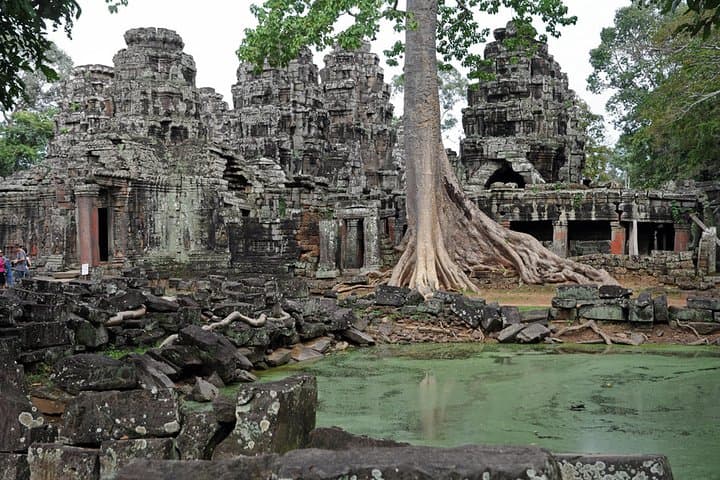
This loop focuses on the classic Small Circuit: Angkor Wat, Ta Prohm’s strangler figs, and Angkor Thom’s South Gate, with quieter stops like Prasat Kravan and Ta Nei. The park sits on a low, seasonally influenced plain carved into reservoirs (barays) and ceremonial ponds like Srah Srang, remnants of the Khmer Empire (9th–15th centuries) that engineered hydraulic networks as much for ritual as agriculture.
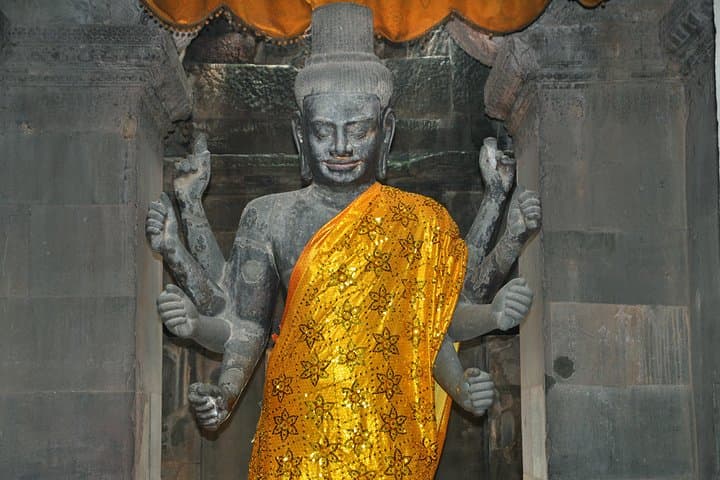
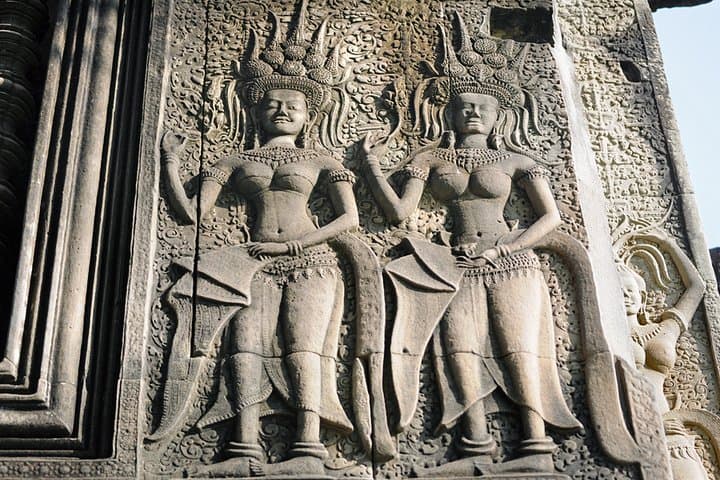
Culturally the sites blend Hindu and Buddhist iconography; stone faces, pediments, and brick reliefs tell political and spiritual stories. Expect dusty gravel tracks to reach off-the-beaten temples and a steady hum of tuk-tuks back in Siem Reap.
Practical: allow 9–10 hours, bring your Angkor Pass (not included), wear breathable long sleeves and a hat for sun and respectful temple attire that covers shoulders and knees. Comfortable closed-toe shoes handle uneven laterite and steep stairs at Ta Keo; plan lunch at Srah Srang and carry cash for small vendors. Hydrate generously—the day is long but mostly easy-paced walking between highlights, with plenty of photo stops and time to absorb the jungle-claimed ruins.
easy.
9–10 hours.
Suitable for most fitness levels but expect a long day of standing, short walks on uneven ground, and some steep steps.
No—Angkor Park tickets are separate and must be purchased (mobile or paper). A 1-day pass is common, but multi-day tickets are recommended for deeper exploration.
The tour runs about 9–10 hours; private hotel pickup and drop-off in Siem Reap are usually arranged—confirm pickup point when booking.
Lunch is not included by default; the itinerary schedules a lunch break at Srah Srang where several restaurants operate, or you can return to town for an extra fee for driver mileage.
Yes—Ta Prohm (the jungle temple) is a key stop and the route includes major Angkor Thom sights such as the South Gate and photo stops at Bayon and Victory Gate.
The Angkor complex was the heart of the Khmer Empire (9th–15th centuries); many reservoirs and temple layouts reflect sophisticated water-management and state religion shifts from Hinduism to Buddhism.
Visitor fees fund conservation and community projects; stick to marked paths, don’t climb fragile carvings, and avoid feeding wildlife to reduce impact.
Angkor-Travel Tours operates guided outdoor trips and adventures with an emphasis on safety, stewardship, and memorable experiences.
You step out of the cooled vehicle into a breath of warm Cambodian air; morning light slants across sandstone towers and the moat reflects carved faces as if holding time itself. The guide leads you through the east entrance of Angkor Wat when the stone is soft with dawn, then lets you roam later in the afternoon for mirrored views from the west—two visits to the same giant complex that reveal different moods of shadow and relief.
You step out of the cooled vehicle into a breath of warm Cambodian air; morning light slants across sandstone towers and the moat reflects carved faces as if holding time itself. The guide leads you through the east entrance of Angkor Wat when the stone is soft with dawn, then lets you roam later in the afternoon for mirrored views from the west—two visits to the same giant complex that reveal different moods of shadow and relief.
This loop focuses on the classic Small Circuit: Angkor Wat, Ta Prohm’s strangler figs, and Angkor Thom’s South Gate, with quieter stops like Prasat Kravan and Ta Nei. The park sits on a low, seasonally influenced plain carved into reservoirs (barays) and ceremonial ponds like Srah Srang, remnants of the Khmer Empire (9th–15th centuries) that engineered hydraulic networks as much for ritual as agriculture.
Culturally the sites blend Hindu and Buddhist iconography; stone faces, pediments, and brick reliefs tell political and spiritual stories. Expect dusty gravel tracks to reach off-the-beaten temples and a steady hum of tuk-tuks back in Siem Reap.
Practical: allow 9–10 hours, bring your Angkor Pass (not included), wear breathable long sleeves and a hat for sun and respectful temple attire that covers shoulders and knees. Comfortable closed-toe shoes handle uneven laterite and steep stairs at Ta Keo; plan lunch at Srah Srang and carry cash for small vendors. Hydrate generously—the day is long but mostly easy-paced walking between highlights, with plenty of photo stops and time to absorb the jungle-claimed ruins.