THE ADVENTURE COLLECTIVE® · Independent discovery and booking for outdoor travel

Stand beneath the carved colossi of Ramesses II on a private, Egyptologist-led day trip from Aswan. This accessible tour blends a dramatic desert drive with expert interpretation and the preserved majesty of Abu Simbel.
Stand beneath the carved colossi of Ramesses II on a private, Egyptologist-led day trip from Aswan. This accessible tour blends a dramatic desert drive with expert interpretation and the preserved majesty of Abu Simbel.
You arrive before the sun fully blanches the sandstone, the desert air pushing at your jacket as the colossal faces of Ramesses II watch you approach. The twin temples at Abu Simbel sit on a low bluff above Lake Nasser; their carved figures dominate the horizon and seem to hold the light itself.
Verified experiences and guided adventures in the surrounding area.
Operated by Egypt Sunny Tours · Abu Simbel, Aswan Governorate
You arrive before the sun fully blanches the sandstone, the desert air pushing at your jacket as the colossal faces of Ramesses II watch you approach. The twin temples at Abu Simbel sit on a low bluff above Lake Nasser; their carved figures dominate the horizon and seem to hold the light itself.
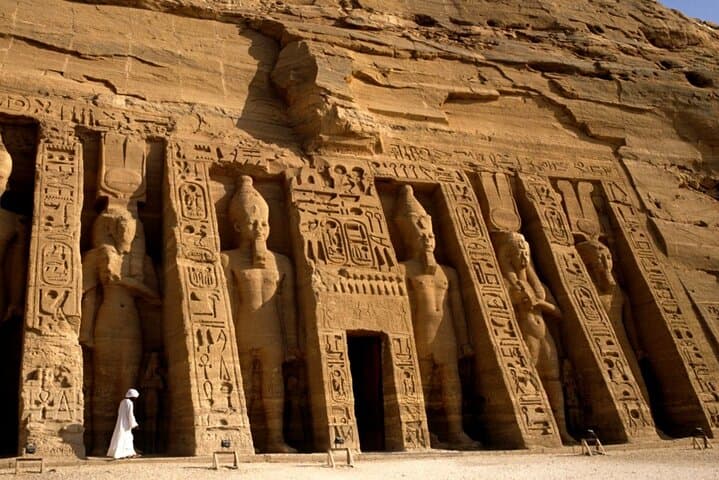
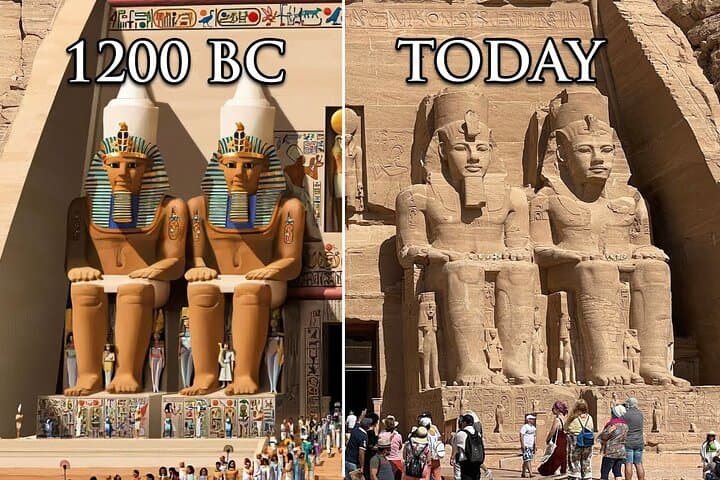
Carved in the 13th century BCE under Ramesses II, the Great Temple and the smaller Hathor temple for Nefertari celebrate royal power and solar ritual. Geologically, the temples are cut from Nubian sandstone—eroded by wind and shaped by centuries of sand—but saved from rising waters in the 1960s when a UNESCO-backed relocation lifted and reassembled the complexes on higher ground. Local culture still frames these monuments within Nile-linked cycles of life and ritual, and an Egyptologist guide will unpack iconography—divine epithets, battle reliefs, and the rare prominence of a queen.
Expect a largely accessible site with short walking distances, brief stair sections and shaded display areas; the visit is compact but intense in historical density. Photographic light is best early or late; midday brings heat and flatter contrasts. Practical notes: carry your passport for entry, hydration and sun protection are mandatory, and plan for roughly an eight-hour round-trip from Aswan. If you travel in a private vehicle, use the transit time to rest—this is a day built around two hours of immersive archaeology and a long, contemplative drive through desert-scored landscape.
easy.
8 hours.
Suitable for most fitness levels; requires short walks, some stairs, and tolerance for long vehicle transfers
Yes — private, air‑conditioned transportation to and from Aswan is included in the tour.
Entrance fees are included as part of the tour inclusions.
The tour lists wheelchair accessibility for transport and surfaces, though certain temple areas have steps; check specifics with the operator.
October–April offers milder temperatures; early morning departures are recommended year-round to avoid heat and crowds.
Constructed under Ramesses II in the 13th century BCE and relocated in the 1960s to avoid Lake Nasser’s rising waters, the temples are a highlight of New Kingdom statecraft and UNESCO conservation efforts.
The 1960s relocation preserved the monuments, and current visitor protocols aim to manage foot traffic and reduce wear; follow stay-on-path rules and avoid touching reliefs.
Egypt Sunny Tours operates guided outdoor trips and adventures with an emphasis on safety, stewardship, and memorable experiences.
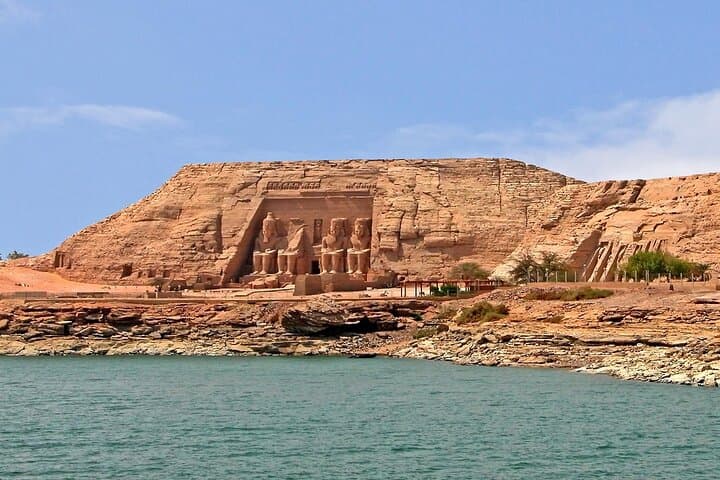
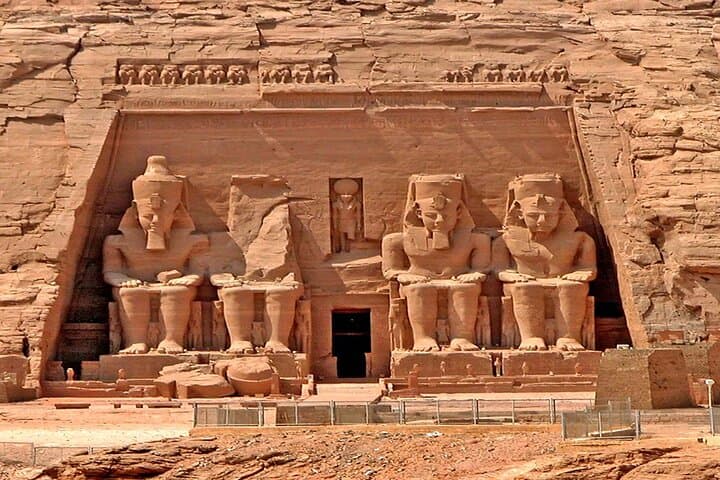
You arrive before the sun fully blanches the sandstone, the desert air pushing at your jacket as the colossal faces of Ramesses II watch you approach. The twin temples at Abu Simbel sit on a low bluff above Lake Nasser; their carved figures dominate the horizon and seem to hold the light itself.
You arrive before the sun fully blanches the sandstone, the desert air pushing at your jacket as the colossal faces of Ramesses II watch you approach. The twin temples at Abu Simbel sit on a low bluff above Lake Nasser; their carved figures dominate the horizon and seem to hold the light itself.
Carved in the 13th century BCE under Ramesses II, the Great Temple and the smaller Hathor temple for Nefertari celebrate royal power and solar ritual. Geologically, the temples are cut from Nubian sandstone—eroded by wind and shaped by centuries of sand—but saved from rising waters in the 1960s when a UNESCO-backed relocation lifted and reassembled the complexes on higher ground. Local culture still frames these monuments within Nile-linked cycles of life and ritual, and an Egyptologist guide will unpack iconography—divine epithets, battle reliefs, and the rare prominence of a queen.
Expect a largely accessible site with short walking distances, brief stair sections and shaded display areas; the visit is compact but intense in historical density. Photographic light is best early or late; midday brings heat and flatter contrasts. Practical notes: carry your passport for entry, hydration and sun protection are mandatory, and plan for roughly an eight-hour round-trip from Aswan. If you travel in a private vehicle, use the transit time to rest—this is a day built around two hours of immersive archaeology and a long, contemplative drive through desert-scored landscape.