THE ADVENTURE COLLECTIVE® · Independent discovery and booking for outdoor travel

An early-morning flight from Cairo delivers you to the monumental temples of Abu Simbel—rescued from the rising waters of Lake Nasser and reassembled to preserve Ramesses II’s grand façade. This private full-day trip packs history, dramatic desert drives, and practical logistics into one long but manageable day.
An early-morning flight from Cairo delivers you to the monumental temples of Abu Simbel—rescued from the rising waters of Lake Nasser and reassembled to preserve Ramesses II’s grand façade. This private full-day trip packs history, dramatic desert drives, and practical logistics into one long but manageable day.
A predawn pickup from Cairo feels like a negotiation with time: the city still breathes, your guide waits, and the airport lights blur into the horizon. By first light you’re over Upper Egypt, and the desert below seems to push you south toward a set of colossal stone faces that stare out across Lake Nasser.
Verified experiences and guided adventures in the surrounding area.
Operated by Egypt Best Day Tours · Abu Simbel, Aswan Governorate
A predawn pickup from Cairo feels like a negotiation with time: the city still breathes, your guide waits, and the airport lights blur into the horizon. By first light you’re over Upper Egypt, and the desert below seems to push you south toward a set of colossal stone faces that stare out across Lake Nasser.
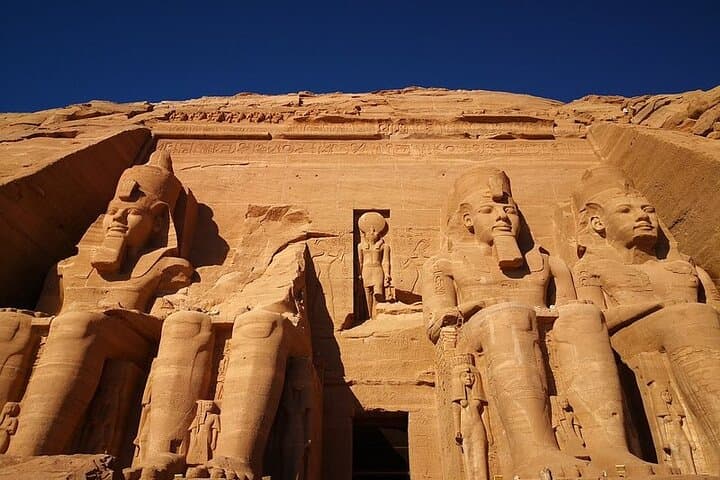
The temples at Abu Simbel were carved in the 13th century BCE under Ramesses II and moved, block by block, in the 1960s to escape the rising waters behind the Aswan High Dam. That engineering rescue is part of the site’s modern geology—ancient sandstone cut and reassembled on a higher bluff so the sun still reaches the inner sanctuary twice a year.
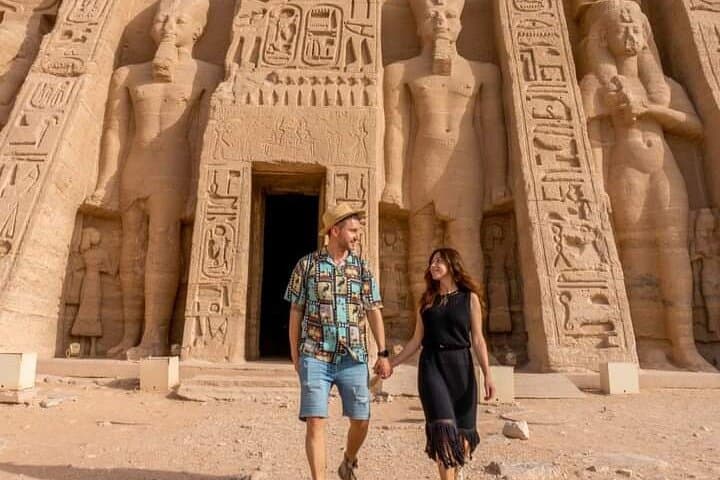
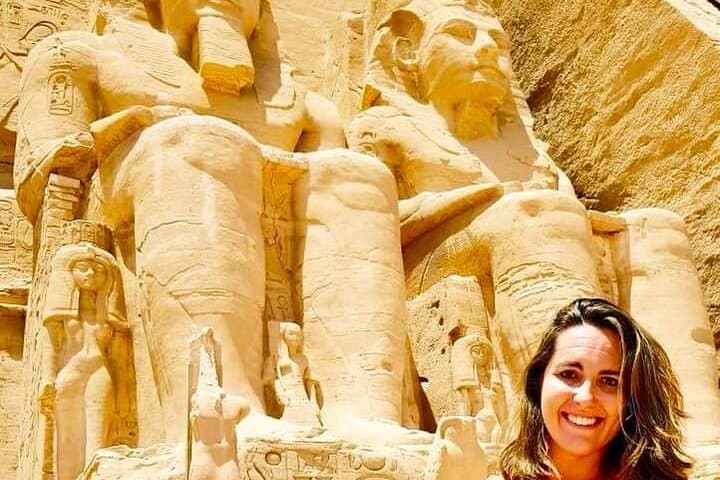
Culturally, Abu Simbel broadcasts royal power: the Great Temple proclaims Ramesses’ alliance with the gods while the smaller temple honors Queen Nefertari. Local insights carry through the drive from Aswan—Nubian craft markets, the broad sweep of Lake Nasser, and wind-roughened dunes that keep the air sharp and clear.
Practical guidance: expect a very early start (pickups around 3:00 AM), a domestic flight to Aswan, then a private air-conditioned transfer roughly three hours south. Visits usually last two to three hours; the day returns to Cairo the same evening. Bring your passport and a printed voucher, sun protection, refillable water, and comfortable shoes: surfaces are mostly flat but exposed. If mobility is a concern, this tour is wheelchair accessible with advance notice. Timing your visit outside peak summer months reduces heat stress; patience in lines and respect for the site help preserve these monuments for the next traveler.
easy.
12–13 hours.
Suitable for most fitness levels—long day with minimal walking on even but exposed terrain
Yes—the tour includes round-trip domestic flights between Cairo and Aswan as well as transfers stated in the itinerary.
Typical visits allow approximately two to three hours at the temples, which covers exterior viewing and interior access where permitted.
The tour notes wheelchair-accessible transportation and surfaces; advise the operator in advance to arrange appropriate assistance.
Admission and a qualified Egyptologist guide are included in the package, along with pickup/drop-off and service charges listed in the booking details.
The Abu Simbel temples were relocated in a UNESCO-led operation in the 1960s to save them from flooding after the Aswan High Dam project, reassembled on an artificial hill 65 meters higher and 200 meters back from the original location.
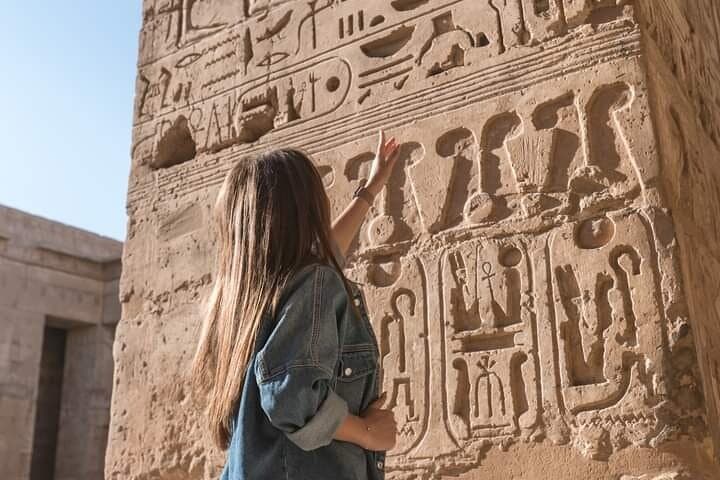
High visitor numbers and harsh sun accelerate wear; stay on marked paths, avoid touching reliefs, and use refillable bottles to reduce plastic waste.
Egypt Best Day Tours operates guided outdoor trips and adventures with an emphasis on safety, stewardship, and memorable experiences.
A predawn pickup from Cairo feels like a negotiation with time: the city still breathes, your guide waits, and the airport lights blur into the horizon. By first light you’re over Upper Egypt, and the desert below seems to push you south toward a set of colossal stone faces that stare out across Lake Nasser.
A predawn pickup from Cairo feels like a negotiation with time: the city still breathes, your guide waits, and the airport lights blur into the horizon. By first light you’re over Upper Egypt, and the desert below seems to push you south toward a set of colossal stone faces that stare out across Lake Nasser.
The temples at Abu Simbel were carved in the 13th century BCE under Ramesses II and moved, block by block, in the 1960s to escape the rising waters behind the Aswan High Dam. That engineering rescue is part of the site’s modern geology—ancient sandstone cut and reassembled on a higher bluff so the sun still reaches the inner sanctuary twice a year.
Culturally, Abu Simbel broadcasts royal power: the Great Temple proclaims Ramesses’ alliance with the gods while the smaller temple honors Queen Nefertari. Local insights carry through the drive from Aswan—Nubian craft markets, the broad sweep of Lake Nasser, and wind-roughened dunes that keep the air sharp and clear.
Practical guidance: expect a very early start (pickups around 3:00 AM), a domestic flight to Aswan, then a private air-conditioned transfer roughly three hours south. Visits usually last two to three hours; the day returns to Cairo the same evening. Bring your passport and a printed voucher, sun protection, refillable water, and comfortable shoes: surfaces are mostly flat but exposed. If mobility is a concern, this tour is wheelchair accessible with advance notice. Timing your visit outside peak summer months reduces heat stress; patience in lines and respect for the site help preserve these monuments for the next traveler.