THE ADVENTURE COLLECTIVE® · Independent discovery and booking for outdoor travel

A compact private tour that pairs a Sheikh Zayed photo stop and Corniche drive with entry to Qasr Al Watan. Expect cultural context, light walking, and dedicated hotel pickup from Dubai.
A compact private tour that pairs a Sheikh Zayed photo stop and Corniche drive with entry to Qasr Al Watan. Expect cultural context, light walking, and dedicated hotel pickup from Dubai.
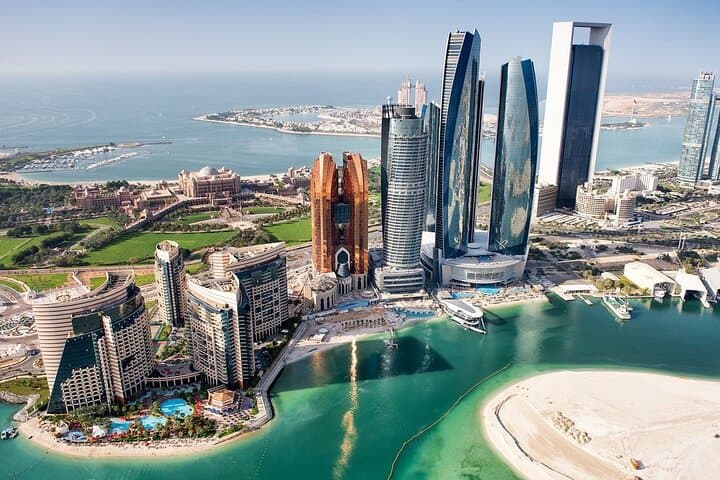
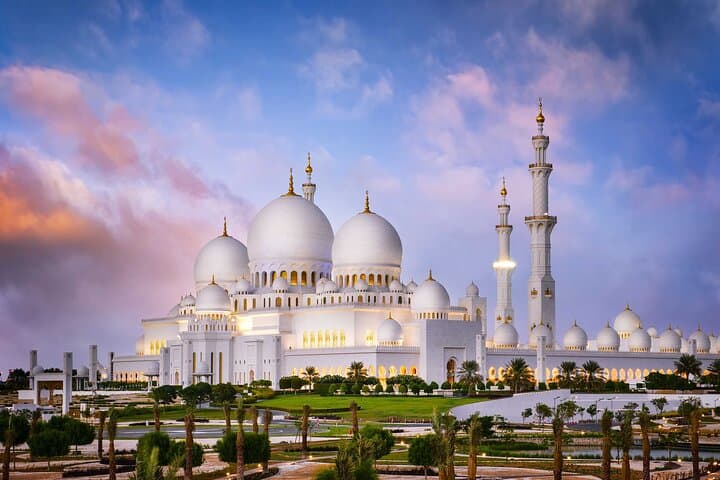
You step off the air-conditioned van and the city opens: broad boulevards, glittering low-rises, and a mosque whose white domes seem to hold the sun. The tour moves deliberately — a photo stop at Sheikh Zayed Grand Mosque, a drive along the palm-lined Corniche, a browse of Marjan Gallery and the Dates Market, then the slow reveal of Qasr Al Watan’s ornate halls.
Verified experiences and guided adventures in the surrounding area.
Operated by ULTIMATE EXPERIENCE TOURISM · Abu Dhabi, Abu Dhabi
You step off the air-conditioned van and the city opens: broad boulevards, glittering low-rises, and a mosque whose white domes seem to hold the sun. The tour moves deliberately — a photo stop at Sheikh Zayed Grand Mosque, a drive along the palm-lined Corniche, a browse of Marjan Gallery and the Dates Market, then the slow reveal of Qasr Al Watan’s ornate halls.
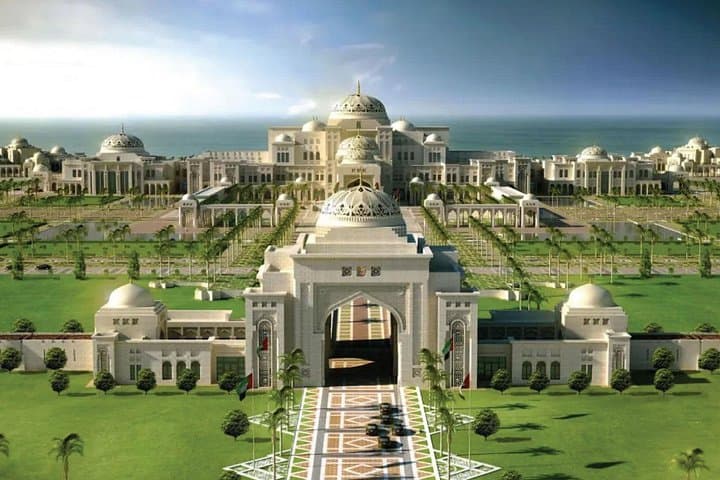
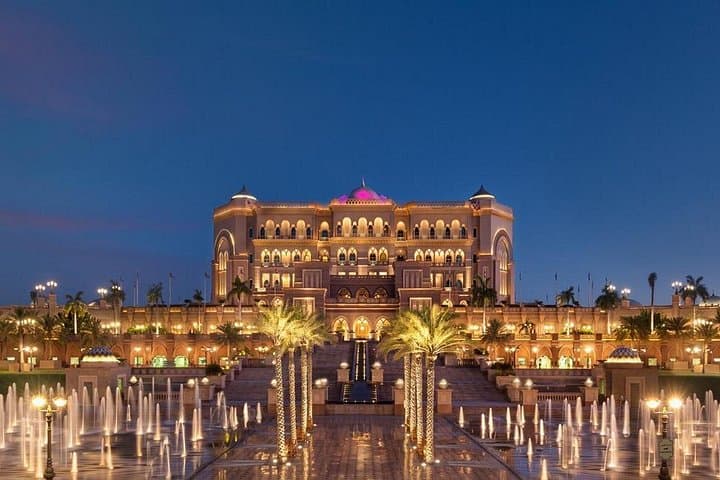
Abu Dhabi’s modern skyline sits on centuries of maritime trade and pearl diving; the island city’s limestone and coastal plain were shaped by the Persian Gulf’s tidal edges and human ambition. Qasr Al Watan, opened in 2017, is both working seat of governance and a museum of Emirati crafts and state artifacts, its architecture drawing on Islamic motifs and regional forms.
The cultural contrast is immediate: from the mosque’s calligraphy and marble inlay to the markets’ tactile goods and the Corniche’s waterfront breeze. Guides translate history into clear reference points — how tribal governance evolved into federation, and how palms and dates still anchor local cuisine.
Practicalities are straightforward. Expect light walking between stops, sun in abundance, and security checks at major sites. Dress modestly for mosque entry; women will need head coverings and both sexes long sleeves and pants or long skirts. If you’re coming from Dubai, plan for a 1.5‑ to 2‑hour transfer each way depending on traffic.
Timing matters: mornings and late afternoons are the most comfortable. Carry water, sunscreen, and a free hour to linger at Qasr Al Watan’s public exhibits if you want to read plaques and view the ceremonial rooms in detail.
easy.
6 hours.
Suitable for most fitness levels — light walking and standing during site visits
The tour can include mosque entry; there is an additional USD 30 booking fee for organized entry — otherwise the stop may be limited to exterior photos.
Yes — hotel pickup and drop-off from Dubai locations are provided; pickup time varies by hotel location and will be confirmed at booking.
The tour and included sites offer wheelchair accessible options and accessible transportation, though some historic areas may have steps or uneven surfaces.
Mobile vouchers are accepted, but guests should have the voucher and photo ID available for confirmation at pickup and attractions.
Abu Dhabi grew from a small fishing and pearling community; oil discoveries in the mid-20th century transformed it into the capital of the UAE and funded its major civic projects.
Water use and coastal development are monitored as Abu Dhabi balances urban growth with Gulf ecosystems; visitors are encouraged to minimize waste and respect protected areas.
ULTIMATE EXPERIENCE TOURISM operates guided outdoor trips and adventures with an emphasis on safety, stewardship, and memorable experiences.
You step off the air-conditioned van and the city opens: broad boulevards, glittering low-rises, and a mosque whose white domes seem to hold the sun. The tour moves deliberately — a photo stop at Sheikh Zayed Grand Mosque, a drive along the palm-lined Corniche, a browse of Marjan Gallery and the Dates Market, then the slow reveal of Qasr Al Watan’s ornate halls.
You step off the air-conditioned van and the city opens: broad boulevards, glittering low-rises, and a mosque whose white domes seem to hold the sun. The tour moves deliberately — a photo stop at Sheikh Zayed Grand Mosque, a drive along the palm-lined Corniche, a browse of Marjan Gallery and the Dates Market, then the slow reveal of Qasr Al Watan’s ornate halls.
Abu Dhabi’s modern skyline sits on centuries of maritime trade and pearl diving; the island city’s limestone and coastal plain were shaped by the Persian Gulf’s tidal edges and human ambition. Qasr Al Watan, opened in 2017, is both working seat of governance and a museum of Emirati crafts and state artifacts, its architecture drawing on Islamic motifs and regional forms.
The cultural contrast is immediate: from the mosque’s calligraphy and marble inlay to the markets’ tactile goods and the Corniche’s waterfront breeze. Guides translate history into clear reference points — how tribal governance evolved into federation, and how palms and dates still anchor local cuisine.
Practicalities are straightforward. Expect light walking between stops, sun in abundance, and security checks at major sites. Dress modestly for mosque entry; women will need head coverings and both sexes long sleeves and pants or long skirts. If you’re coming from Dubai, plan for a 1.5‑ to 2‑hour transfer each way depending on traffic.
Timing matters: mornings and late afternoons are the most comfortable. Carry water, sunscreen, and a free hour to linger at Qasr Al Watan’s public exhibits if you want to read plaques and view the ceremonial rooms in detail.