THE ADVENTURE COLLECTIVE® · Independent discovery and booking for outdoor travel

A private, nine-day journey from Cairo’s pyramids to Abu Simbel and a three-night Nile cruise. Combine guided temple and tomb visits with a Nubian village visit and luxury onboard time.
A private, nine-day journey from Cairo’s pyramids to Abu Simbel and a three-night Nile cruise. Combine guided temple and tomb visits with a Nubian village visit and luxury onboard time.
You step off the transfer and the Giza Plateau opens: sandstone dust, a camel’s slow sway and the Great Pyramid towering against the pale sky. The city hums at the margins while the monuments hold a different cadence — slow, deliberate, centuries-old. By day three you’ll be trading Cairo traffic for the Nile’s measured push, watching palm-fringed banks slide by from a luxury cruise deck as the river dares you to slow down.
Verified experiences and guided adventures in the surrounding area.
Operated by Your Egypt Tours · Cairo, Cairo Governorate
You step off the transfer and the Giza Plateau opens: sandstone dust, a camel’s slow sway and the Great Pyramid towering against the pale sky. The city hums at the margins while the monuments hold a different cadence — slow, deliberate, centuries-old. By day three you’ll be trading Cairo traffic for the Nile’s measured push, watching palm-fringed banks slide by from a luxury cruise deck as the river dares you to slow down.
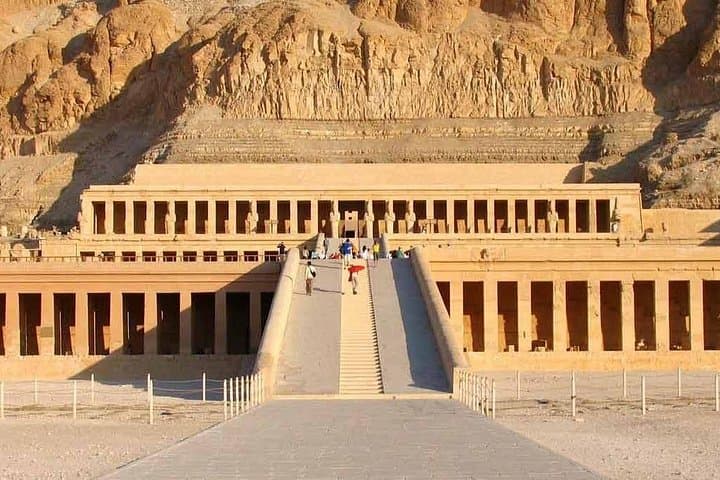
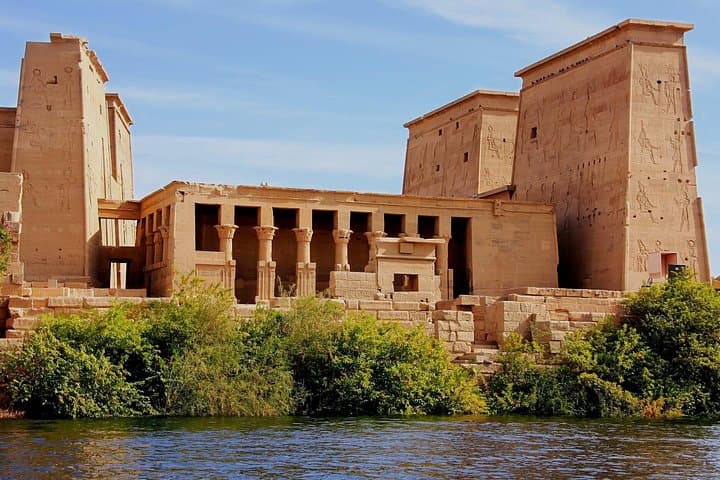
This itinerary threads together Egypt’s deep past and living culture — Pharaonic temples carved from bedrock, Nubian villages where language and crafts preserve a separate legacy, and modern Cairo’s museum halls that house Tutankhamun’s gilded objects. Geology is obvious: limestone plateaus at Giza, granite outcrops near Aswan and the river’s alluvial ribbon carving fertile lines through the desert. UNESCO-led efforts moved Philae and Abu Simbel to save them from rising waters; those engineering stories are part of the visit.
Practical first steps: book morning entries where possible to avoid heat and crowds, carry a refillable water bottle, and layer light clothing for sharp morning-to-afternoon temperature swings. Comfortable, broken-in walking shoes are essential for uneven temple floors and tomb steps. Expect guided transfers between sites and short domestic flights to Abu Simbel; luggage is handled but keep valuables and medication in your day pack. Tipping is customary; local guides and crew rely on it. Take time for quiet moments on deck at dusk — the Nile’s current and the desert wind will make the history feel immediate and intact.
moderate.
9 days.
Moderate mobility required; daily walking on uneven terrain and stairs, short camel rides and boat transfers.
Most visitors require a visa; check your national requirements and obtain one in advance or on arrival where applicable.
Yes — a three-night luxury Nile cruise is included as noted in the itinerary, with meals and onboard services per supplier details.
Many major museums and some cruise areas are accessible, but several ancient sites have uneven terrain and stairs; check specific accessibility needs with the operator.
Egyptian pounds are standard; ATMs in major cities work, but carry cash for tips, small purchases and local markets.
The itinerary covers millennia: from the Old Kingdom pyramids at Giza to New Kingdom temples in Luxor and the 19th–20th century relocations of Philae and Abu Simbel to save them from dam waters.
Rising tourism and river management affect fragile archaeological contexts; visitors are asked to stay on marked paths, avoid touching reliefs and support local guides who practice sustainable visitor management.
Your Egypt Tours operates guided outdoor trips and adventures with an emphasis on safety, stewardship, and memorable experiences.
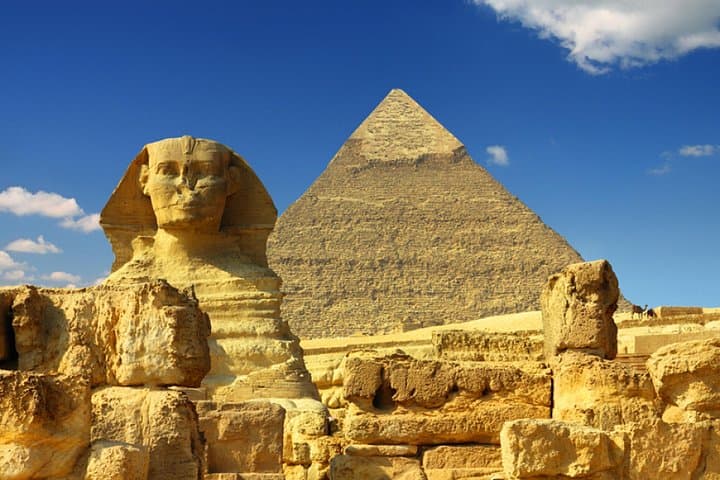
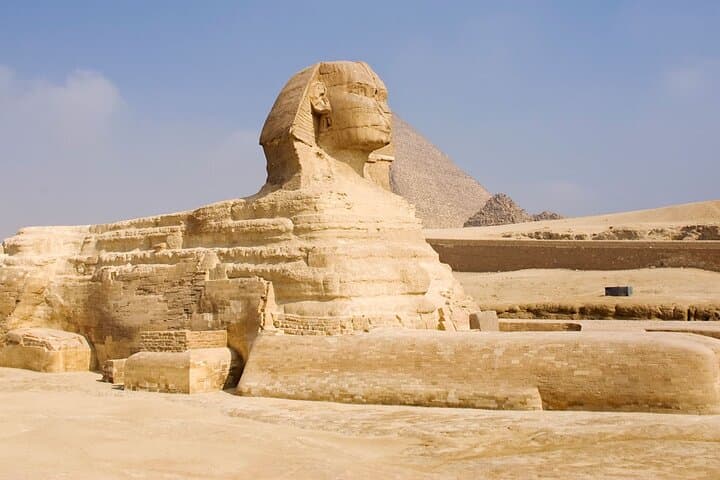
You step off the transfer and the Giza Plateau opens: sandstone dust, a camel’s slow sway and the Great Pyramid towering against the pale sky. The city hums at the margins while the monuments hold a different cadence — slow, deliberate, centuries-old. By day three you’ll be trading Cairo traffic for the Nile’s measured push, watching palm-fringed banks slide by from a luxury cruise deck as the river dares you to slow down.
You step off the transfer and the Giza Plateau opens: sandstone dust, a camel’s slow sway and the Great Pyramid towering against the pale sky. The city hums at the margins while the monuments hold a different cadence — slow, deliberate, centuries-old. By day three you’ll be trading Cairo traffic for the Nile’s measured push, watching palm-fringed banks slide by from a luxury cruise deck as the river dares you to slow down.
This itinerary threads together Egypt’s deep past and living culture — Pharaonic temples carved from bedrock, Nubian villages where language and crafts preserve a separate legacy, and modern Cairo’s museum halls that house Tutankhamun’s gilded objects. Geology is obvious: limestone plateaus at Giza, granite outcrops near Aswan and the river’s alluvial ribbon carving fertile lines through the desert. UNESCO-led efforts moved Philae and Abu Simbel to save them from rising waters; those engineering stories are part of the visit.
Practical first steps: book morning entries where possible to avoid heat and crowds, carry a refillable water bottle, and layer light clothing for sharp morning-to-afternoon temperature swings. Comfortable, broken-in walking shoes are essential for uneven temple floors and tomb steps. Expect guided transfers between sites and short domestic flights to Abu Simbel; luggage is handled but keep valuables and medication in your day pack. Tipping is customary; local guides and crew rely on it. Take time for quiet moments on deck at dusk — the Nile’s current and the desert wind will make the history feel immediate and intact.