THE ADVENTURE COLLECTIVE® · Independent discovery and booking for outdoor travel

See Santorini’s caldera cliffs, Oia’s blue-domed alleys, Akrotiri’s Bronze Age ruins, and volcanic beaches in a single private eight-hour loop. This air‑conditioned tour pairs geological context and local culture with flexible stops for photos and wine tasting.
See Santorini’s caldera cliffs, Oia’s blue-domed alleys, Akrotiri’s Bronze Age ruins, and volcanic beaches in a single private eight-hour loop. This air‑conditioned tour pairs geological context and local culture with flexible stops for photos and wine tasting.
The tour begins with the minivan threading along white cliff faces, the caldera opening like a wide, blue wound to the Aegean. Guests step out in Firostefani and Imerovigli where wind-polished alleys and low stone walls frame sudden, sweeping views of the volcanic caldera. Photographs are inevitable; the landscape compels them.
Verified experiences and guided adventures in the surrounding area.
Operated by Santorini Official Tours · Fira, South Aegean
The tour begins with the minivan threading along white cliff faces, the caldera opening like a wide, blue wound to the Aegean. Guests step out in Firostefani and Imerovigli where wind-polished alleys and low stone walls frame sudden, sweeping views of the volcanic caldera. Photographs are inevitable; the landscape compels them.
Santorini’s cliffs are the visible edge of a violent geological past — a mid-second-millennium BCE eruption reshaped the island and preserved Bronze Age life beneath ash at Akrotiri. The itinerary moves from cliffside settlements into quieter villages and the black-and-red beaches formed by volcanic lava and pumice, each shore telling a different chapter of the island’s formation. A winery stop introduces the island’s unusual viticulture: vines trained low to the ground, shielded in circular baskets to survive the arid wind.
Culturally, the route threads Cycladic architecture, Orthodox churches with blue domes, and maritime traditions tied to the Aegean’s fishing lanes. Guides often pause to explain local wine varieties, fresco fragments from Akrotiri, and why narrow lanes were built to funnel cooling breezes.
Practicalities are straightforward: the private tour runs roughly eight hours in an air-conditioned minivan with bottled water and onboard Wi‑Fi. Akrotiri requires separate admission; the black and red beaches are free but uneven underfoot. Expect several short walks, cobbled steps, and crowded viewpoints in high season — plan for sun protection, steady shoes, and an early or late itinerary to avoid peak crowds. The pace is customizable, making this a good option for travelers seeking a curated overview of Santorini’s geology, history, and coastal drama.
easy.
8 hours.
Suitable for travelers who can manage several short walks and stair sections; not strenuous but requires mobility on uneven surfaces.
No — the archaeological site requires a separate admission fee paid on arrival; booking ahead is recommended in high season.
Meals are not included; the tour has stops with restaurants where guests can buy lunch or snacks during the day.
Infant seats and stroller access are available for the minivan, but steep streets and steps in villages may limit stroller mobility at viewpoints.
Guests under 17 may visit the winery but cannot consume alcoholic samples; the cultural tour portion remains educational for all ages.
Santorini’s modern shoreline is the remnant of a massive volcanic eruption in the Bronze Age that buried the Akrotiri settlement and altered Aegean trade routes.
Water scarcity and heavy foot traffic concentrate impacts—choose refillable bottles, stick to marked paths, and respect archaeological site rules to minimize wear.
Santorini Official Tours operates guided outdoor trips and adventures with an emphasis on safety, stewardship, and memorable experiences.
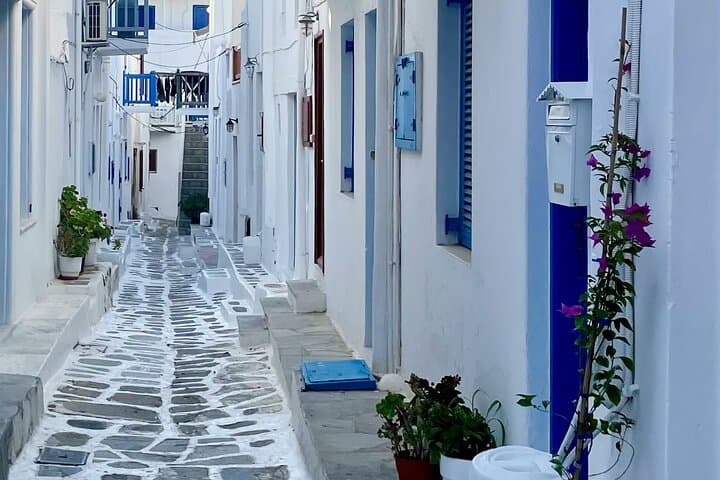
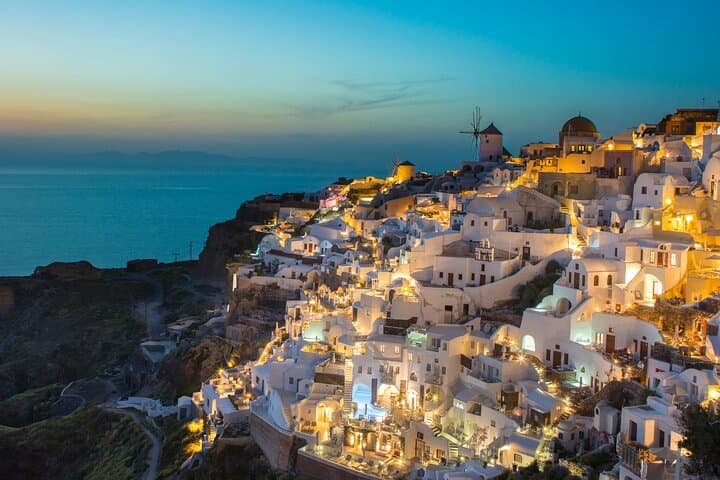
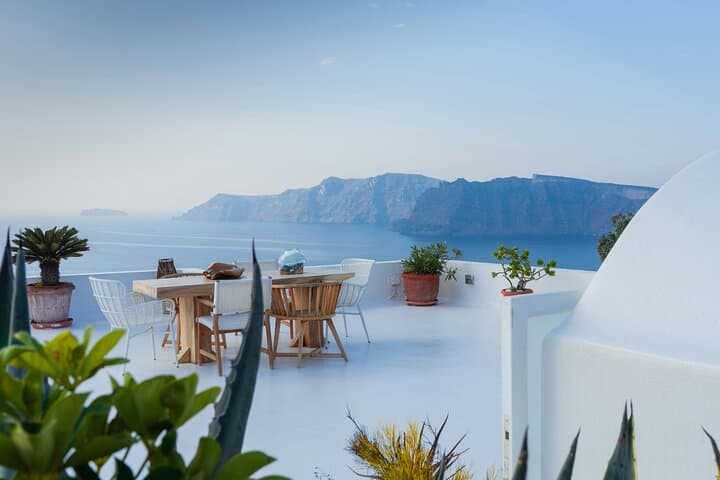
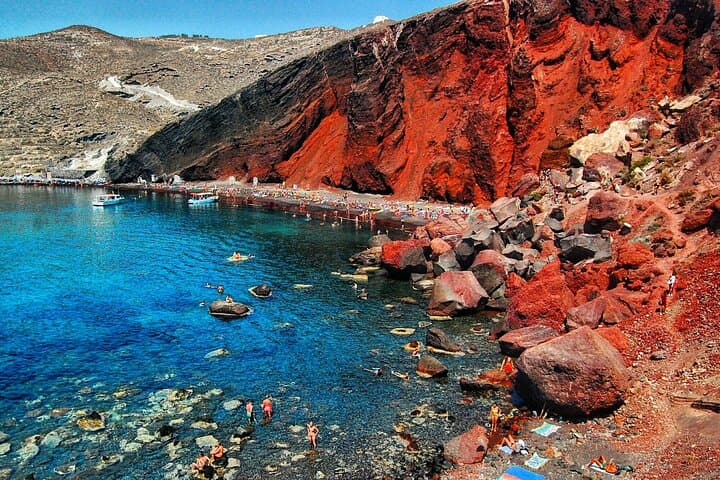
The tour begins with the minivan threading along white cliff faces, the caldera opening like a wide, blue wound to the Aegean. Guests step out in Firostefani and Imerovigli where wind-polished alleys and low stone walls frame sudden, sweeping views of the volcanic caldera. Photographs are inevitable; the landscape compels them.
The tour begins with the minivan threading along white cliff faces, the caldera opening like a wide, blue wound to the Aegean. Guests step out in Firostefani and Imerovigli where wind-polished alleys and low stone walls frame sudden, sweeping views of the volcanic caldera. Photographs are inevitable; the landscape compels them.
Santorini’s cliffs are the visible edge of a violent geological past — a mid-second-millennium BCE eruption reshaped the island and preserved Bronze Age life beneath ash at Akrotiri. The itinerary moves from cliffside settlements into quieter villages and the black-and-red beaches formed by volcanic lava and pumice, each shore telling a different chapter of the island’s formation. A winery stop introduces the island’s unusual viticulture: vines trained low to the ground, shielded in circular baskets to survive the arid wind.
Culturally, the route threads Cycladic architecture, Orthodox churches with blue domes, and maritime traditions tied to the Aegean’s fishing lanes. Guides often pause to explain local wine varieties, fresco fragments from Akrotiri, and why narrow lanes were built to funnel cooling breezes.
Practicalities are straightforward: the private tour runs roughly eight hours in an air-conditioned minivan with bottled water and onboard Wi‑Fi. Akrotiri requires separate admission; the black and red beaches are free but uneven underfoot. Expect several short walks, cobbled steps, and crowded viewpoints in high season — plan for sun protection, steady shoes, and an early or late itinerary to avoid peak crowds. The pace is customizable, making this a good option for travelers seeking a curated overview of Santorini’s geology, history, and coastal drama.