THE ADVENTURE COLLECTIVE® · Independent discovery and booking for outdoor travel

Covering New Delhi, Agra, Jaipur and a two-day Ranthambore wildlife safari, this private eight-day tour combines imperial monuments with dry-forest wildlife viewing. Expect early safari starts, multi-hour drives, and guided cultural context at every stop.
Covering New Delhi, Agra, Jaipur and a two-day Ranthambore wildlife safari, this private eight-day tour combines imperial monuments with dry-forest wildlife viewing. Expect early safari starts, multi-hour drives, and guided cultural context at every stop.
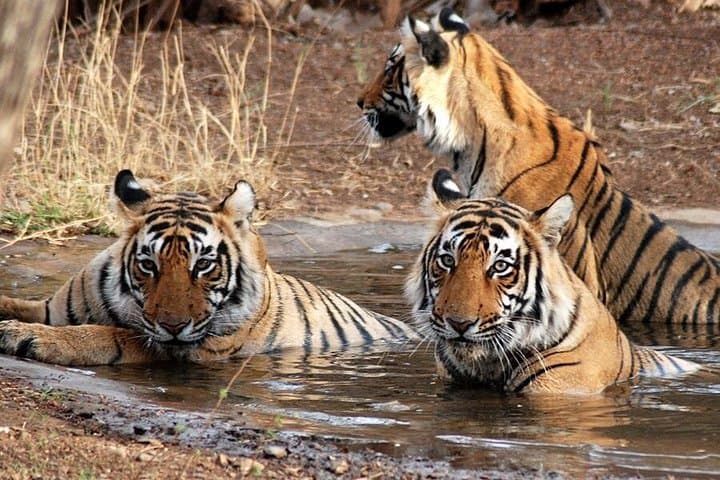
You arrive into New Delhi to a pulse of horns, spice smoke and the steady gaze of sandstone monuments; within days the landscape shifts to the soft ochre of Rajput forts and the scrubby teak forests of Ranthambore, where mornings open on the low rumble of jeep engines and the forest seems to test your patience.
Verified experiences and guided adventures in the surrounding area.
Operated by United Tours India · New Delhi, Delhi
You arrive into New Delhi to a pulse of horns, spice smoke and the steady gaze of sandstone monuments; within days the landscape shifts to the soft ochre of Rajput forts and the scrubby teak forests of Ranthambore, where mornings open on the low rumble of jeep engines and the forest seems to test your patience.
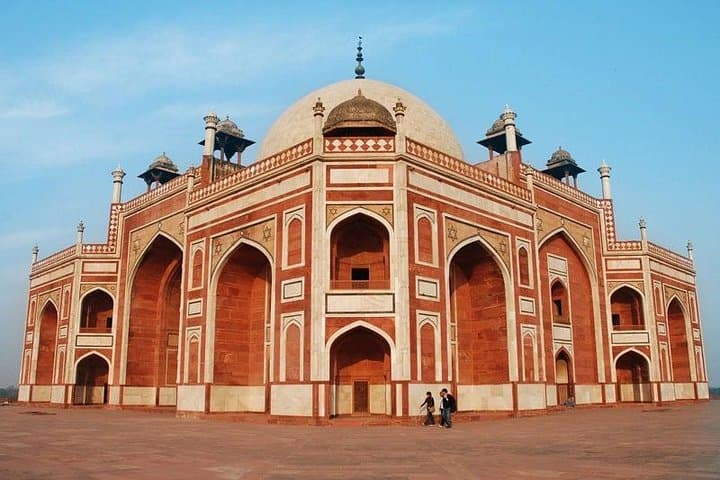
This eight-day private circuit links three UNESCO and imperial-era highlights of northern India — Delhi’s colonial avenues and Mughal tombs, Agra’s Taj Mahal and Shah Jahan’s marble artistry, and Jaipur’s hilltop Amber Fort and pink stone palaces — with a two-day wildlife window in Ranthambore National Park. Geology moves the story: the alluvial plains of the Yamuna yield to the older, eroded Aravalli slopes that frame Jaipur, and the Ranthambore reserve sits on granite outcrops and seasonal lakes that shape animal movement.
Culturally, expect layered histories: Mughal gardens, Rajput court rituals, and living craft traditions (stone inlay, block printing) in market lanes. Local guides interpret the architecture and point out less obvious details — cenotaph inscriptions, water-management features and hunting grounds turned conservation areas.
Practical guidance: the itinerary requires early wake-ups for safaris (pre-dawn), moderate walking at monuments (uneven stone, many steps) and multi-hour transfers by private vehicle — accommodations and a trained representative are included. Carry sun protection, a small daypack, passport copy for site entry, and local cash for tips and small purchases. Respect park rules on noise and photography; in Ranthambore, wildlife sightings are never guaranteed but come to those who arrive quietly and early.
moderate.
8 days.
Suitable for travelers in reasonable health who can handle early mornings, several hours of walking on uneven surfaces, and multi-hour road transfers.
No—sightings can’t be guaranteed. Ranthambore is a protected, free-ranging population; early morning and evening safaris increase chances but depend on animal movement and weather.
Yes—the private tour includes transfers between Delhi, Agra, Jaipur and Ranthambore by private vehicle, and accommodations are provided as part of the package.
Most international visitors require an Indian visa or e-visa; check your government’s requirements and apply in advance, and carry a passport valid for at least six months from arrival.
Guides typically speak English and often Hindi; breakfast is included for all seven mornings, with other meals available as noted in your booking details.
The Golden Triangle traces Mughal-era court centers and Rajput strongholds: Agra’s Mughal architecture, Delhi’s imperial layers and Jaipur’s planned Rajput capital reflect overlapping imperial and regional histories.
Ranthambore is part of India’s protected-area network focused on tiger recovery and habitat management; visitors should follow park rules, avoid feeding animals and minimize noise and litter.
United Tours India operates guided outdoor trips and adventures with an emphasis on safety, stewardship, and memorable experiences.
You arrive into New Delhi to a pulse of horns, spice smoke and the steady gaze of sandstone monuments; within days the landscape shifts to the soft ochre of Rajput forts and the scrubby teak forests of Ranthambore, where mornings open on the low rumble of jeep engines and the forest seems to test your patience.
You arrive into New Delhi to a pulse of horns, spice smoke and the steady gaze of sandstone monuments; within days the landscape shifts to the soft ochre of Rajput forts and the scrubby teak forests of Ranthambore, where mornings open on the low rumble of jeep engines and the forest seems to test your patience.
This eight-day private circuit links three UNESCO and imperial-era highlights of northern India — Delhi’s colonial avenues and Mughal tombs, Agra’s Taj Mahal and Shah Jahan’s marble artistry, and Jaipur’s hilltop Amber Fort and pink stone palaces — with a two-day wildlife window in Ranthambore National Park. Geology moves the story: the alluvial plains of the Yamuna yield to the older, eroded Aravalli slopes that frame Jaipur, and the Ranthambore reserve sits on granite outcrops and seasonal lakes that shape animal movement.
Culturally, expect layered histories: Mughal gardens, Rajput court rituals, and living craft traditions (stone inlay, block printing) in market lanes. Local guides interpret the architecture and point out less obvious details — cenotaph inscriptions, water-management features and hunting grounds turned conservation areas.
Practical guidance: the itinerary requires early wake-ups for safaris (pre-dawn), moderate walking at monuments (uneven stone, many steps) and multi-hour transfers by private vehicle — accommodations and a trained representative are included. Carry sun protection, a small daypack, passport copy for site entry, and local cash for tips and small purchases. Respect park rules on noise and photography; in Ranthambore, wildlife sightings are never guaranteed but come to those who arrive quietly and early.