THE ADVENTURE COLLECTIVE® · Independent discovery and booking for outdoor travel

An eight-day private journey through Cusco, the Sacred Valley and Machu Picchu that pairs moderate hiking with hands-on cultural encounters — weaving, community meals and Inca sites. Ideal for travelers who want active immersion with guided logistics handled.
An eight-day private journey through Cusco, the Sacred Valley and Machu Picchu that pairs moderate hiking with hands-on cultural encounters — weaving, community meals and Inca sites. Ideal for travelers who want active immersion with guided logistics handled.
You step off the van into thin, cool air — Cusco’s cobbled square opens ahead at roughly 3,400 m, stone walls and colonial balconies framing a city that still feels guarded by the high Andes. Over the next eight days you move with purpose: temple terraces, textile workshops, salt pans and a train that threads down the Urubamba Valley to Aguas Calientes and the terraces of Machu Picchu at 2,430 m.
Verified experiences and guided adventures in the surrounding area.
Operated by World Awaits Cultural Tours · Cusco, Cusco Region
You step off the van into thin, cool air — Cusco’s cobbled square opens ahead at roughly 3,400 m, stone walls and colonial balconies framing a city that still feels guarded by the high Andes. Over the next eight days you move with purpose: temple terraces, textile workshops, salt pans and a train that threads down the Urubamba Valley to Aguas Calientes and the terraces of Machu Picchu at 2,430 m.
This itinerary threads Inca engineering and Spanish-era overlays. From Tambomachay’s water channels to the zigzag megaliths at Sacsayhuamán and the concentric agricultural bowls at Moray, the landscape reveals deliberate manipulation of slope, water and microclimates that sustained Andean societies. The Sacred Valley’s geology — steep river-carved gorges and exposed volcanic-bedrock terraces — shapes local farming and ancient routes you’ll follow on short hikes (1–4 hours; mostly uneven, downhill stone paths).
Expect cultural immersion: hands-on weaving demonstrations in Chinchero, a pachamanca lunch with a community, and visits to markets in Pisac and Ollantaytambo. Travel is by air-conditioned vehicle, regional trains (≈1 h 45 min segments) and short shuttles to Machu Picchu’s gate.
Practical edge: allow 48–72 hours to acclimatize in Cusco, carry sun and rain protection, and break long days into slow sections to manage altitude. Footwear with grippy soles and a layered shell will keep you moving across dusty tracks, stone steps and occasional drizzle. The trip balances active walking with guided cultural time — arrive ready to walk 2–5 miles on uneven terrain each active day, and you’ll leave with context as well as stunning views.
moderate.
8 days.
Moderate — comfortable walking 2–5 miles per active day on uneven terrain and stairs; basic endurance for multi-day travel at altitude.
Yes — Cusco sits around 3,400 m; the itinerary expects moderate physical activity, so plan a light first day and hydrate to reduce altitude sickness risk.
The tour includes train tickets and the classic Machu Picchu entrance; optional additional climbs (Huayna Picchu/Montaña) may require separate tickets and advance booking.
Walks range from easy village strolls to moderate 2–4 hour downhill hikes on uneven Inca stone trails; good mobility and balance are recommended.
Minimum age is 6; some sites have stepped terrain and limited accessibility — inform the operator in advance to discuss accommodations and suitable activities.
Cusco was the administrative heart of the Inca Empire; many sites visited combine Inca foundations with Spanish colonial structures built atop them.
The region manages visitor numbers at Machu Picchu and uses the Boleto Turístico to fund site maintenance; practice leave-no-trace and support local businesses to reduce tourism impacts.
World Awaits Cultural Tours operates guided outdoor trips and adventures with an emphasis on safety, stewardship, and memorable experiences.
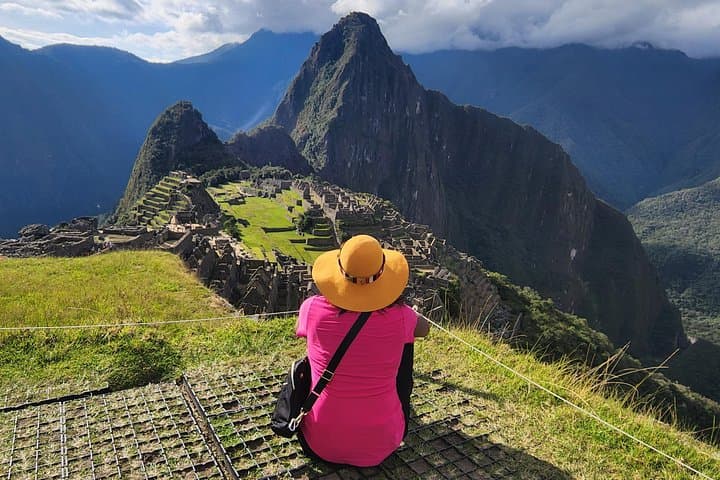
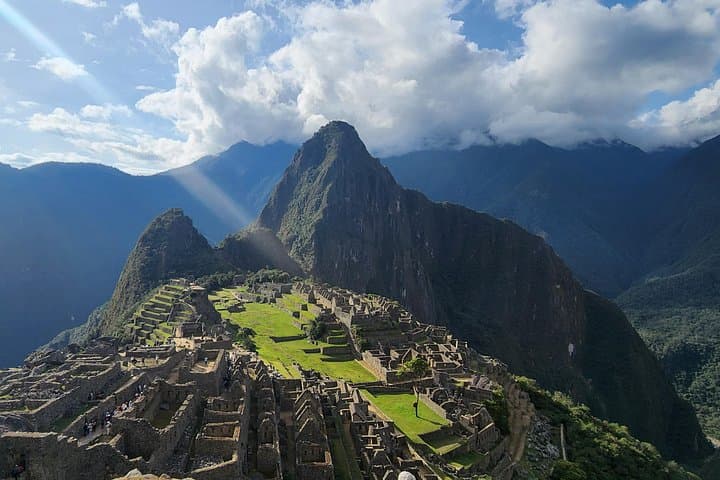
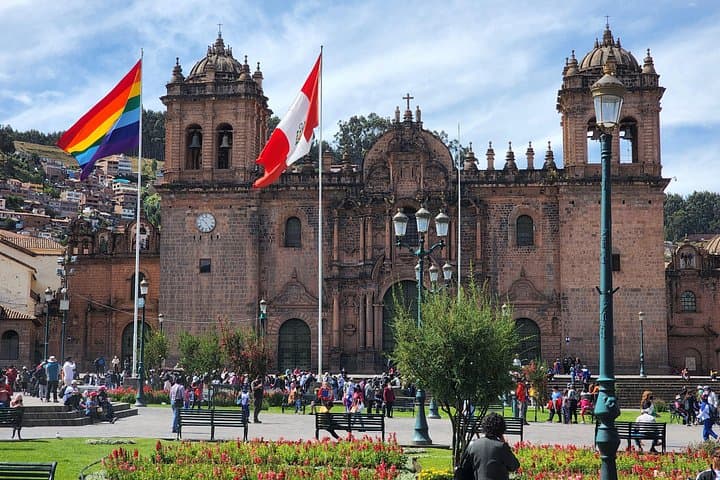
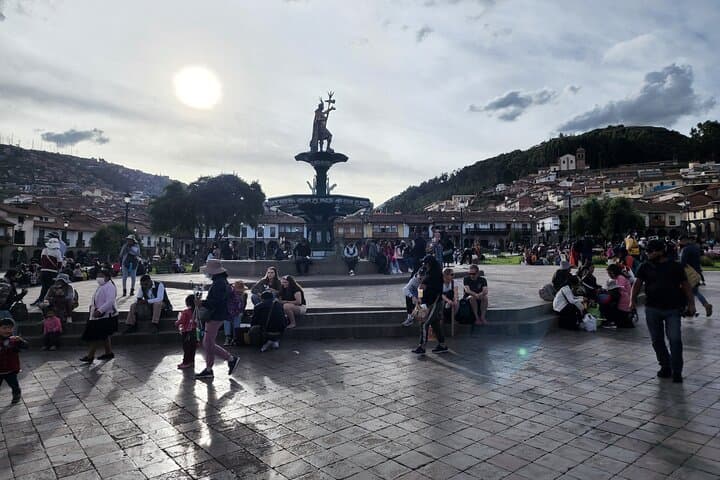
You step off the van into thin, cool air — Cusco’s cobbled square opens ahead at roughly 3,400 m, stone walls and colonial balconies framing a city that still feels guarded by the high Andes. Over the next eight days you move with purpose: temple terraces, textile workshops, salt pans and a train that threads down the Urubamba Valley to Aguas Calientes and the terraces of Machu Picchu at 2,430 m.
You step off the van into thin, cool air — Cusco’s cobbled square opens ahead at roughly 3,400 m, stone walls and colonial balconies framing a city that still feels guarded by the high Andes. Over the next eight days you move with purpose: temple terraces, textile workshops, salt pans and a train that threads down the Urubamba Valley to Aguas Calientes and the terraces of Machu Picchu at 2,430 m.
This itinerary threads Inca engineering and Spanish-era overlays. From Tambomachay’s water channels to the zigzag megaliths at Sacsayhuamán and the concentric agricultural bowls at Moray, the landscape reveals deliberate manipulation of slope, water and microclimates that sustained Andean societies. The Sacred Valley’s geology — steep river-carved gorges and exposed volcanic-bedrock terraces — shapes local farming and ancient routes you’ll follow on short hikes (1–4 hours; mostly uneven, downhill stone paths).
Expect cultural immersion: hands-on weaving demonstrations in Chinchero, a pachamanca lunch with a community, and visits to markets in Pisac and Ollantaytambo. Travel is by air-conditioned vehicle, regional trains (≈1 h 45 min segments) and short shuttles to Machu Picchu’s gate.
Practical edge: allow 48–72 hours to acclimatize in Cusco, carry sun and rain protection, and break long days into slow sections to manage altitude. Footwear with grippy soles and a layered shell will keep you moving across dusty tracks, stone steps and occasional drizzle. The trip balances active walking with guided cultural time — arrive ready to walk 2–5 miles on uneven terrain each active day, and you’ll leave with context as well as stunning views.