THE ADVENTURE COLLECTIVE® · Independent discovery and booking for outdoor travel

A six-hour private tour from the Tokyo Disney area that mixes Imperial history, shrine forests, and modern cityscapes. Choose 3–4 sites and travel by rail with an English-speaking licensed guide for an efficient, personalized day in Tokyo.
A six-hour private tour from the Tokyo Disney area that mixes Imperial history, shrine forests, and modern cityscapes. Choose 3–4 sites and travel by rail with an English-speaking licensed guide for an efficient, personalized day in Tokyo.
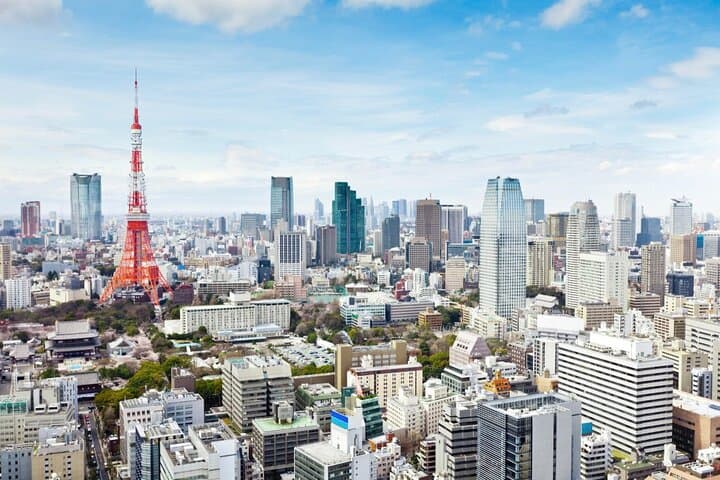
The morning train hums out of Urayasu and the city of Tokyo opens like a living map: neon arteries, tile-roofed alleys, pockets of cedar shadow. Your licensed English-speaking guide meets you near the Disney area, folds a route map, and guides you by rail and on foot through a curated six-hour loop — part contemporary spectacle, part quiet history.
Verified experiences and guided adventures in the surrounding area.
Operated by Japan Guide Agency · Urayasu, Chiba
The morning train hums out of Urayasu and the city of Tokyo opens like a living map: neon arteries, tile-roofed alleys, pockets of cedar shadow. Your licensed English-speaking guide meets you near the Disney area, folds a route map, and guides you by rail and on foot through a curated six-hour loop — part contemporary spectacle, part quiet history.
Tokyo's layers are visible in a single day: Edo-period stonework around the Imperial Palace, Meiji-era shrine forests, and the postwar consumer sprawl of Akihabara and Shibuya. Geology is subtle here — reclaimed bays, man-made islands like Odaiba, and tidally influenced gardens such as Hama Rikyu that still let the sea breathe into the city.
Culturally the city moves at multiple tempos: ritual at Sensoji, weekday efficiency at Tokyo Station, weekend youth culture in Harajuku. Your guide explains context — the shift from shogun to emperor, the rebuilding after war, and how neighborhood identity persists in markets, izakaya, and shrine rituals.
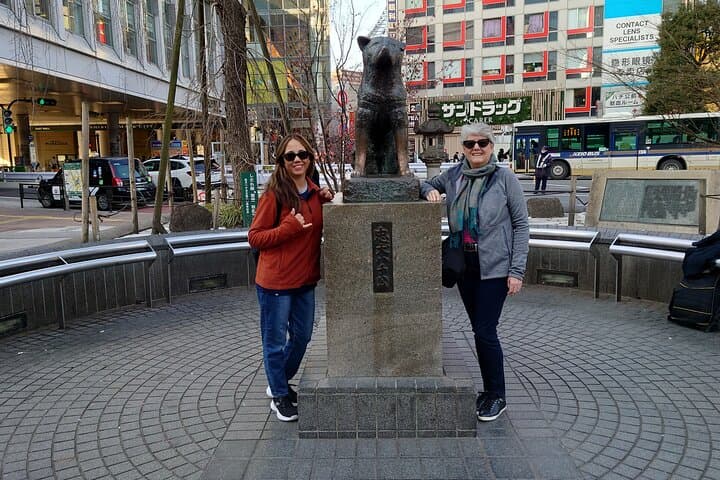
Practical phase: pick 3–4 sites from the suggested list (Imperial Palace view, Meiji Shrine, Asakusa/Sensoji, Shibuya, Tsukiji/old fish market, gardens), expect 5–30 minute stops at major sites and walking between stations. Comfortable shoes, an IC transit card (Suica/Pasmo), and a plan to avoid morning rushes will make the day smoother. Guides can adapt pace for families or mobility needs and will point out quieter detours — a small shrine, a hidden garden pond, a local snack stall — so even in a vast metropolis you find room to breathe and look closer.
easy.
6 hours.
Light — suitable for travelers comfortable with multiple short walks and stairs at some stations
The guide meets you in the Urayasu/Disney area and the itinerary typically returns you to the same neighborhood or a nearby station at the end of the six-hour tour.
Yes — the tour is designed for flexibility; choose 3–4 sites in advance or adjust with your guide during the day based on interests and pace.
Most meeting points and many sites listed are accessible and the tour is labeled wheelchair accessible, but notify the operator of specific mobility needs at booking so the guide can plan suitable routes.
Admission to paid attractions and meals are not included in the base tour price; your guide will advise on costs and help with reservations if needed.
Tokyo grew from Edo, the seat of Tokugawa shoguns; the Imperial Palace grounds occupy the original Edo Castle site and much of the city’s layout reflects that legacy.
City gardens and shrines rely on local conservation efforts and visitor etiquette — stay on paths, dispose of trash properly, and respect quiet zones to reduce impact.
Japan Guide Agency operates guided outdoor trips and adventures with an emphasis on safety, stewardship, and memorable experiences.
The morning train hums out of Urayasu and the city of Tokyo opens like a living map: neon arteries, tile-roofed alleys, pockets of cedar shadow. Your licensed English-speaking guide meets you near the Disney area, folds a route map, and guides you by rail and on foot through a curated six-hour loop — part contemporary spectacle, part quiet history.
The morning train hums out of Urayasu and the city of Tokyo opens like a living map: neon arteries, tile-roofed alleys, pockets of cedar shadow. Your licensed English-speaking guide meets you near the Disney area, folds a route map, and guides you by rail and on foot through a curated six-hour loop — part contemporary spectacle, part quiet history.
Tokyo's layers are visible in a single day: Edo-period stonework around the Imperial Palace, Meiji-era shrine forests, and the postwar consumer sprawl of Akihabara and Shibuya. Geology is subtle here — reclaimed bays, man-made islands like Odaiba, and tidally influenced gardens such as Hama Rikyu that still let the sea breathe into the city.
Culturally the city moves at multiple tempos: ritual at Sensoji, weekday efficiency at Tokyo Station, weekend youth culture in Harajuku. Your guide explains context — the shift from shogun to emperor, the rebuilding after war, and how neighborhood identity persists in markets, izakaya, and shrine rituals.
Practical phase: pick 3–4 sites from the suggested list (Imperial Palace view, Meiji Shrine, Asakusa/Sensoji, Shibuya, Tsukiji/old fish market, gardens), expect 5–30 minute stops at major sites and walking between stations. Comfortable shoes, an IC transit card (Suica/Pasmo), and a plan to avoid morning rushes will make the day smoother. Guides can adapt pace for families or mobility needs and will point out quieter detours — a small shrine, a hidden garden pond, a local snack stall — so even in a vast metropolis you find room to breathe and look closer.