THE ADVENTURE COLLECTIVE® · Independent discovery and booking for outdoor travel

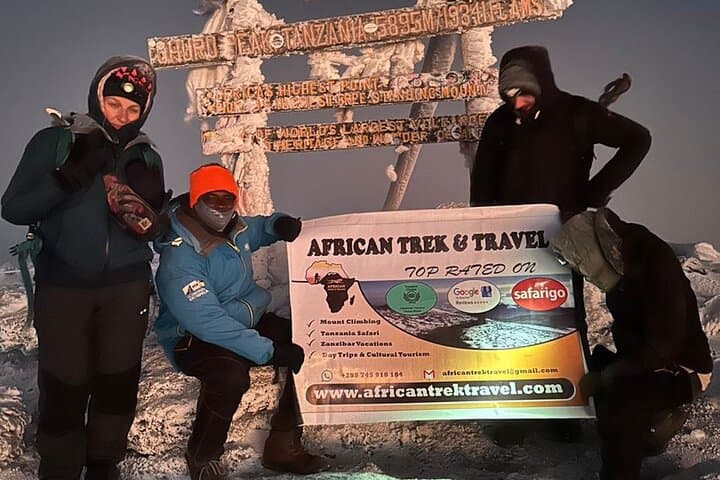
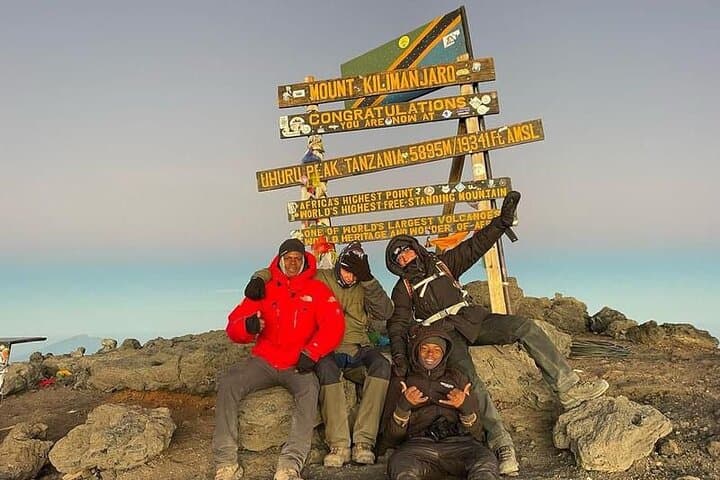
Seven days on the Lemosho Route moves from verdant montane forest to the ice-capped Uhuru Peak. This private itinerary balances acclimatization with daily mileage to maximize summit chances while offering dramatic views and local cultural contact.
Seven days on the Lemosho Route moves from verdant montane forest to the ice-capped Uhuru Peak. This private itinerary balances acclimatization with daily mileage to maximize summit chances while offering dramatic views and local cultural contact.
Night is thin air and headlamp beams as the Lemosho trail narrows beneath giant heather and the first bright stars. On day one the forest swallows the sound of footsteps; by day six the landscape has a hard, wind-swept honesty as the crater rim pokes above the clouds. Climbers move deliberately, led by guides and supported by porters who make the mountain’s logistics feel routine even as the summit remains exceptional.
Verified experiences and guided adventures in the surrounding area.
Operated by African Trek & Travel l.t.d (moshi) · Moshi, Kilimanjaro Region
Night is thin air and headlamp beams as the Lemosho trail narrows beneath giant heather and the first bright stars. On day one the forest swallows the sound of footsteps; by day six the landscape has a hard, wind-swept honesty as the crater rim pokes above the clouds. Climbers move deliberately, led by guides and supported by porters who make the mountain’s logistics feel routine even as the summit remains exceptional.
Kilimanjaro is a freestanding volcanic massif whose layered zones — montane forest, moorland, alpine desert, and the icy summit — tell a clear geological story. European explorers first reported Uhuru Peak in the late 19th century, and today the mountain sits inside Kilimanjaro National Park, a UNESCO-protected water catchment with strong local cultural ties to the Chagga communities on its lower slopes.
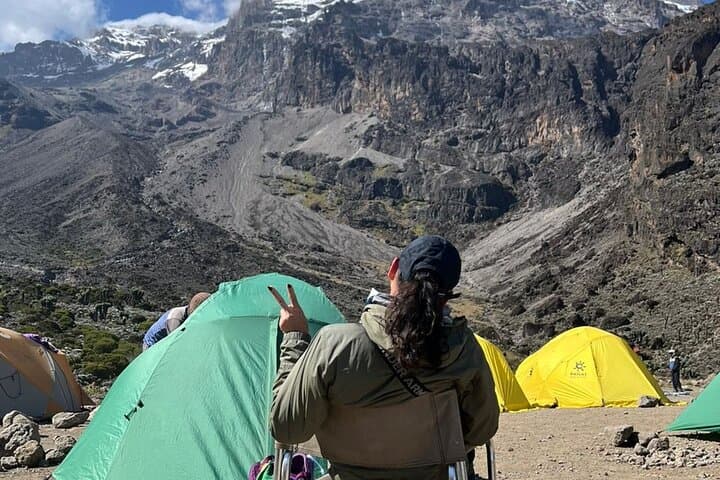
Expect long days and big elevation swings: the itinerary reaches 5,895 m at Uhuru Peak, with daily hiking from 3–8 hours and key stages like the Lava Tower acclimatization stop and the midnight summit push from Barafu Camp.
Practical guidance: pace yourself and practice the ‘pole, sip, breathe’ rhythm — short steps, frequent fluids, deliberate breathing. Layer for wide temperature swings; nights near the summit drop well below freezing. Use trekking poles, a 0°F-rated sleeping bag, and gaiters on the descent, where scree and mud alternate. Summit night starts around midnight; plan to move slowly and keep snacks and electrolyte tablets handy. If you have cardiovascular issues or cannot tolerate extended altitude, this route is not recommended. With patience and proper kit, Lemosho is one of the most scenic routes to Africa’s roof.
challenging.
7 days.
Good cardiovascular fitness and prior multi-day hiking experience recommended; ability to carry a daypack and walk 4–8 hours/day.
No technical climbing skills are required, but previous multi-day hiking experience and familiarity with carrying a daypack improve comfort and success.
Success depends on fitness, acclimatization, weather, and group pace; the 7-day Lemosho itinerary is designed to maximize summit chances, but no operator can guarantee reaching Uhuru Peak.
Camps use portable camp toilets or pit facilities at certain camps; hygiene stations are limited, so bring hand sanitizer and biodegradable wipes.
Tipping is customary and supports local crews; follow operator guidance on recommended amounts and prepare local currency if possible.
Kilimanjaro was first summited in 1889 and has since been a major landmark for exploration and the local Chagga communities who farm its lower slopes.
The mountain is a protected catchment within Kilimanjaro National Park; visitors should stick to trails, pack out waste, and respect local porter welfare to reduce environmental and social impacts.
African Trek & Travel l.t.d (moshi) operates guided outdoor trips and adventures with an emphasis on safety, stewardship, and memorable experiences.

Night is thin air and headlamp beams as the Lemosho trail narrows beneath giant heather and the first bright stars. On day one the forest swallows the sound of footsteps; by day six the landscape has a hard, wind-swept honesty as the crater rim pokes above the clouds. Climbers move deliberately, led by guides and supported by porters who make the mountain’s logistics feel routine even as the summit remains exceptional.
Night is thin air and headlamp beams as the Lemosho trail narrows beneath giant heather and the first bright stars. On day one the forest swallows the sound of footsteps; by day six the landscape has a hard, wind-swept honesty as the crater rim pokes above the clouds. Climbers move deliberately, led by guides and supported by porters who make the mountain’s logistics feel routine even as the summit remains exceptional.
Kilimanjaro is a freestanding volcanic massif whose layered zones — montane forest, moorland, alpine desert, and the icy summit — tell a clear geological story. European explorers first reported Uhuru Peak in the late 19th century, and today the mountain sits inside Kilimanjaro National Park, a UNESCO-protected water catchment with strong local cultural ties to the Chagga communities on its lower slopes.
Expect long days and big elevation swings: the itinerary reaches 5,895 m at Uhuru Peak, with daily hiking from 3–8 hours and key stages like the Lava Tower acclimatization stop and the midnight summit push from Barafu Camp.
Practical guidance: pace yourself and practice the ‘pole, sip, breathe’ rhythm — short steps, frequent fluids, deliberate breathing. Layer for wide temperature swings; nights near the summit drop well below freezing. Use trekking poles, a 0°F-rated sleeping bag, and gaiters on the descent, where scree and mud alternate. Summit night starts around midnight; plan to move slowly and keep snacks and electrolyte tablets handy. If you have cardiovascular issues or cannot tolerate extended altitude, this route is not recommended. With patience and proper kit, Lemosho is one of the most scenic routes to Africa’s roof.