THE ADVENTURE COLLECTIVE® · Independent discovery and booking for outdoor travel

A private, 7-day curated route through Japan’s highlights — Tokyo’s modern pulse, Mount Fuji’s looming presence, Kyoto’s temple-lined streets, Nara’s deer, and Osaka’s food scene. Expect guided, comfortable travel with flexible pacing and local insights.
A private, 7-day curated route through Japan’s highlights — Tokyo’s modern pulse, Mount Fuji’s looming presence, Kyoto’s temple-lined streets, Nara’s deer, and Osaka’s food scene. Expect guided, comfortable travel with flexible pacing and local insights.
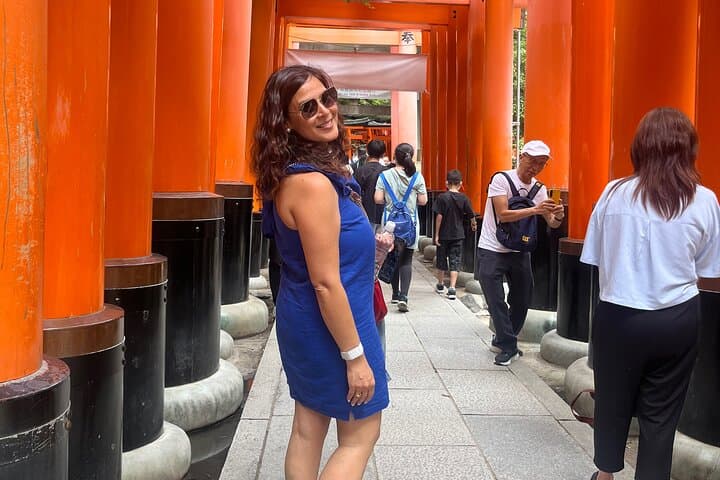
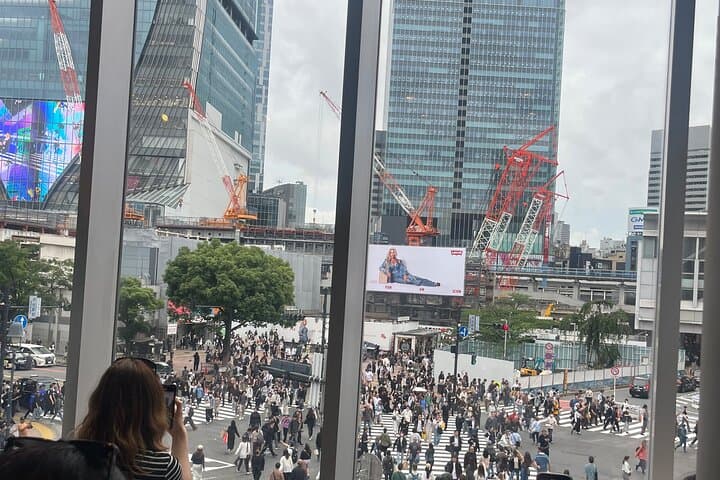
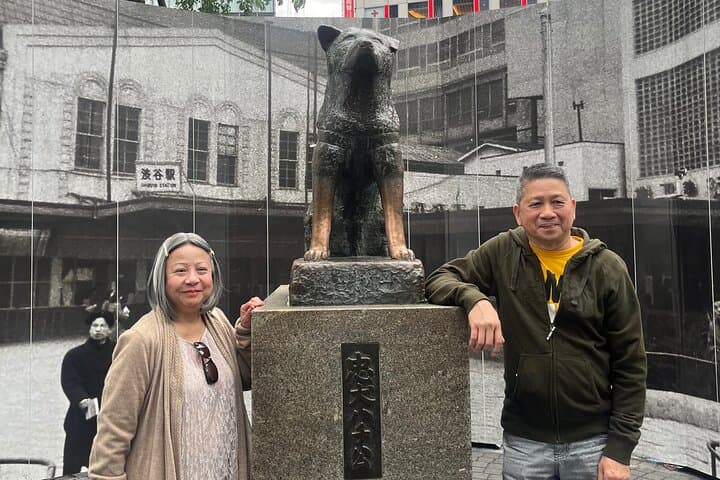
You step from the hum of Shinjuku into a curated week that trades crowds for cadence: neon avenues and izakaya alleyways in Tokyo, the sudden silence of torii at Fushimi Inari, and a sweep of alpine air beneath Mount Fuji.
Verified experiences and guided adventures in the surrounding area.
Operated by Smash Planner · Tokyo, Tokyo
You step from the hum of Shinjuku into a curated week that trades crowds for cadence: neon avenues and izakaya alleyways in Tokyo, the sudden silence of torii at Fushimi Inari, and a sweep of alpine air beneath Mount Fuji.
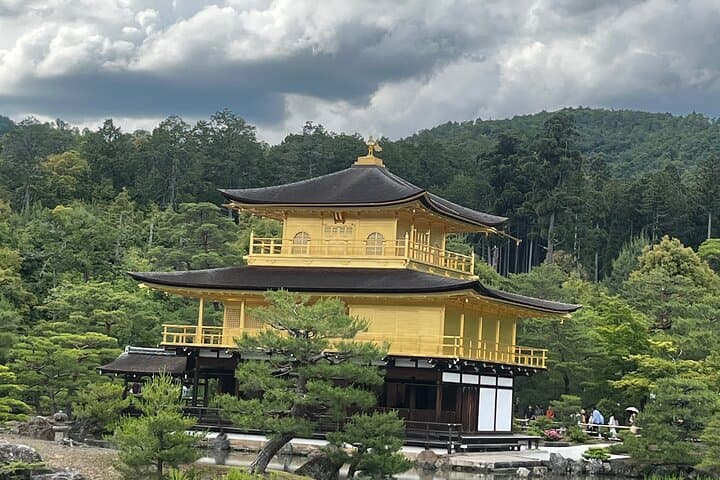
This seven-day private tour threads Japan’s major contrasts. Tokyo’s post-war rise from Edo-era alleys to a global megacity sets the modern stage; Kyoto’s centuries-old temples and Nara’s deer-trotted park recall the Heian capital and Japan’s early court culture. Geologically, the view of Mount Fuji dominates the itinerary—Japan’s 3,776 m stratovolcano shaped by repeated eruptions and glacial sculpting—and most visits reach the lower stations and viewpoints rather than a summit climb.
Culinary culture is a daily rhythm: morning markets and lunchtime ramen, evenings of yakitori and conveyor-belt sushi in Osaka. Local insights—useful bows, modest phone volume on public transport, and carrying small bills for shrine donations—make the pace smoother. Distances are bridged by private transfers and short regional trains; Tokyo to Mt. Fuji is about 100 km west, Tokyo to Kyoto roughly 450 km by rail (Shinkansen ~2–2.5 hours).
Practical guidance: expect 5–9 hours of touring most days with moderate walking on city streets and shrine steps; bring comfortable walking shoes, a light rain jacket, and an adapter for electronics. Mornings are best for major temples to avoid local peak times; afternoons suit food markets and neighborhood strolls. Even on a private tour, carry an IC transit card and a bit of cash—some shrines and small shops are cash-first. With a local guide and private transport, this itinerary balances iconic photography with time to breathe and notice the small seasonal details that reveal Japan beyond the postcard.
moderate.
7 days.
Suitable for travelers in average fitness who can walk 3–6 miles a day and handle stairs and urban terrain.
Not necessarily—this itinerary uses private transport and local trains; a JR Pass can be useful if you plan additional independent Shinkansen travel beyond the tour.
No—this itinerary visits viewpoints and the Fuji area (often the 5th Station) for photos and short walks; full summit climbs require separate planning and seasonal timing.
The tour listing notes wheelchair-accessible options, but accessibility varies by site; confirm individual site access and vehicle configuration with the operator before booking.
Bring Japanese yen for small purchases and shrine offerings; major hotels and many restaurants accept cards, but cash is preferred at markets and smaller stalls.
Kyoto was Japan’s imperial capital for over a thousand years; many temples and shrines date to Heian and Edo periods and reflect evolving Buddhist and Shinto practices.
High visitor numbers strain some temple precincts and natural sites—stick to trails, avoid feeding wildlife, and use bins or carry out waste to reduce impact.
Smash Planner operates guided outdoor trips and adventures with an emphasis on safety, stewardship, and memorable experiences.
You step from the hum of Shinjuku into a curated week that trades crowds for cadence: neon avenues and izakaya alleyways in Tokyo, the sudden silence of torii at Fushimi Inari, and a sweep of alpine air beneath Mount Fuji.
You step from the hum of Shinjuku into a curated week that trades crowds for cadence: neon avenues and izakaya alleyways in Tokyo, the sudden silence of torii at Fushimi Inari, and a sweep of alpine air beneath Mount Fuji.
This seven-day private tour threads Japan’s major contrasts. Tokyo’s post-war rise from Edo-era alleys to a global megacity sets the modern stage; Kyoto’s centuries-old temples and Nara’s deer-trotted park recall the Heian capital and Japan’s early court culture. Geologically, the view of Mount Fuji dominates the itinerary—Japan’s 3,776 m stratovolcano shaped by repeated eruptions and glacial sculpting—and most visits reach the lower stations and viewpoints rather than a summit climb.
Culinary culture is a daily rhythm: morning markets and lunchtime ramen, evenings of yakitori and conveyor-belt sushi in Osaka. Local insights—useful bows, modest phone volume on public transport, and carrying small bills for shrine donations—make the pace smoother. Distances are bridged by private transfers and short regional trains; Tokyo to Mt. Fuji is about 100 km west, Tokyo to Kyoto roughly 450 km by rail (Shinkansen ~2–2.5 hours).
Practical guidance: expect 5–9 hours of touring most days with moderate walking on city streets and shrine steps; bring comfortable walking shoes, a light rain jacket, and an adapter for electronics. Mornings are best for major temples to avoid local peak times; afternoons suit food markets and neighborhood strolls. Even on a private tour, carry an IC transit card and a bit of cash—some shrines and small shops are cash-first. With a local guide and private transport, this itinerary balances iconic photography with time to breathe and notice the small seasonal details that reveal Japan beyond the postcard.