THE ADVENTURE COLLECTIVE® · Independent discovery and booking for outdoor travel

Spend six hours touring Napa or Sonoma with a private driver, visiting three to four wineries. This practical guide highlights what to expect from terroir differences, tasting etiquette, and how to plan the perfect day of wine sampling.
Spend six hours touring Napa or Sonoma with a private driver, visiting three to four wineries. This practical guide highlights what to expect from terroir differences, tasting etiquette, and how to plan the perfect day of wine sampling.
The van eases onto a country road, rows of vines tilting like green ribs toward the sun, and the guide outlines the day's plan: three to four tasting rooms in six hours, each with a different varietal focus. In Napa and Sonoma the landscape speaks in terraces and trellises, the air carrying fermenting fruit and the faint tang of oak.
Verified experiences and guided adventures in the surrounding area.
Operated by Preferred Limo · Napa, California
The van eases onto a country road, rows of vines tilting like green ribs toward the sun, and the guide outlines the day's plan: three to four tasting rooms in six hours, each with a different varietal focus. In Napa and Sonoma the landscape speaks in terraces and trellises, the air carrying fermenting fruit and the faint tang of oak.
Viticulture here began in the 19th century and rebounded after Prohibition; the 1976 Judgment of Paris is the pivot that put Bay Area wines on the global map. Geologically, the valleys collect heat and cool air differently—Napa's volcanic and alluvial soils contrast with Sonoma's broader coastal influence—so tastings vary by terroir as much as by winemaker choice. Local culture blends small-family operations with high-end estates; expect casual hospitality at boutique rooms and structured flights at larger properties.
Practical guidance: book a private pickup and share preferences ahead of time so the driver fits in winemaker-only rooms. Pace your palate—spit or sip and save stronger reds for the last stop. Bring a light jacket; valley temperatures can shift with afternoon fog. Wear comfortable shoes; some tasting rooms and vineyard walks use gravel and gentle slopes.
Timing matters—late mornings avoid the busiest arrival windows and give staff time to open bottles properly. Hydrate between tastings and plan a food stop in Yountville or Sonoma Plaza to reset your senses before heading back to town.
easy.
6 hours.
Minimal walking and standing; suitable for most fitness levels but expect short walks on uneven ground
Yes — this private 6-hour tour serves both valleys; communicate your preference at booking and the operator will plan stops accordingly.
Typically three to four wineries in six hours, depending on driving time and how long you linger at each stop.
Private transportation is included, with pickup and drop-off arranged when you book.
Tasting fees vary by winery and are often separate; confirm whether any tastings are pre-paid when you reserve.
Napa and Sonoma developed commercial viticulture in the 1800s; the 1976 Judgment of Paris propelled California wines to international recognition.
Many wineries participate in water-conservation, cover-cropping, and sustainable certification programs—pack out trash and respect vineyard boundaries to minimize impact.
Preferred Limo operates guided outdoor trips and adventures with an emphasis on safety, stewardship, and memorable experiences.
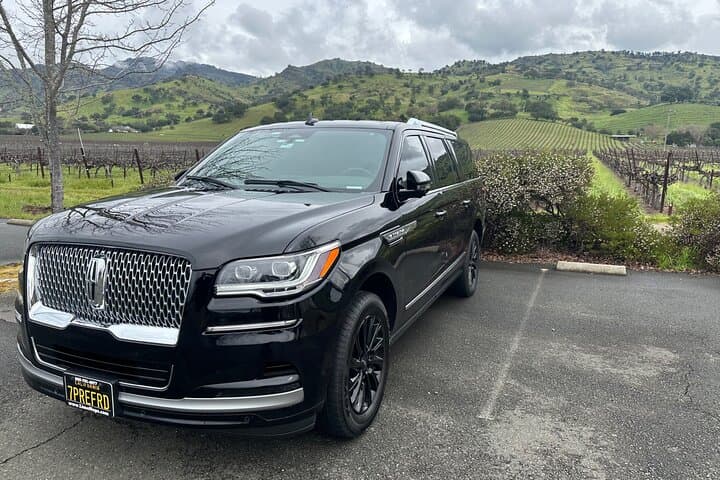
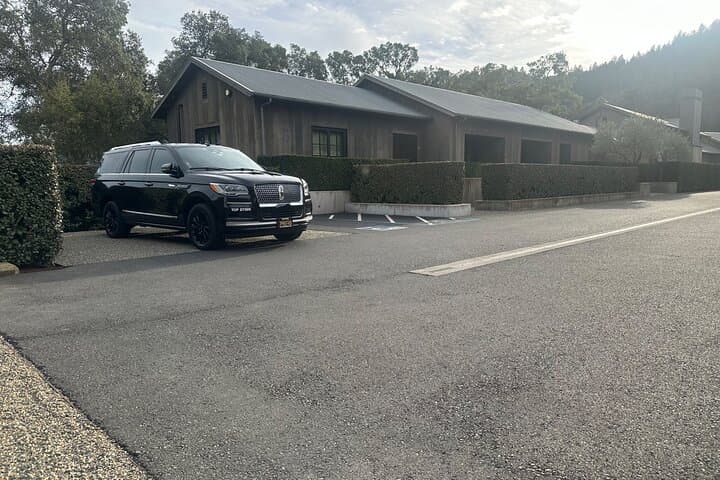
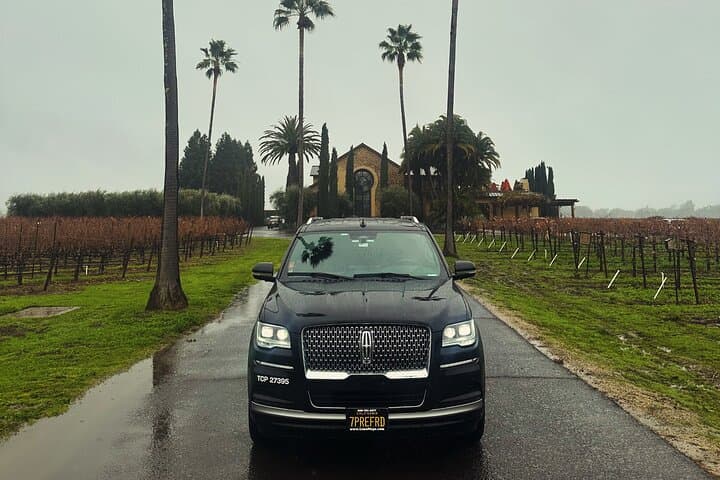
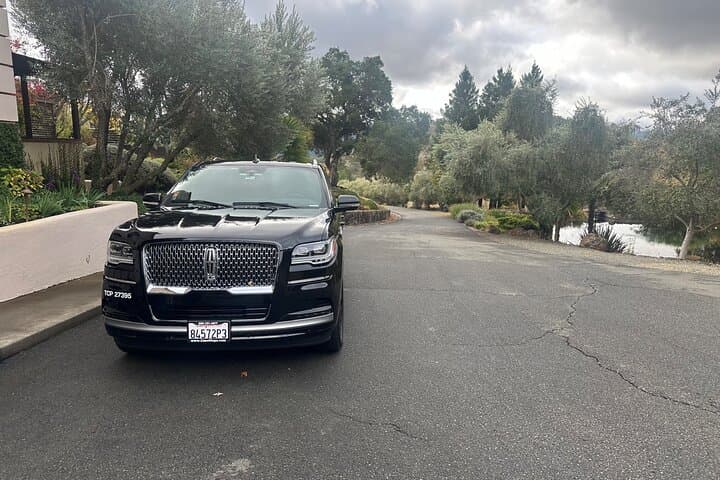
The van eases onto a country road, rows of vines tilting like green ribs toward the sun, and the guide outlines the day's plan: three to four tasting rooms in six hours, each with a different varietal focus. In Napa and Sonoma the landscape speaks in terraces and trellises, the air carrying fermenting fruit and the faint tang of oak.
The van eases onto a country road, rows of vines tilting like green ribs toward the sun, and the guide outlines the day's plan: three to four tasting rooms in six hours, each with a different varietal focus. In Napa and Sonoma the landscape speaks in terraces and trellises, the air carrying fermenting fruit and the faint tang of oak.
Viticulture here began in the 19th century and rebounded after Prohibition; the 1976 Judgment of Paris is the pivot that put Bay Area wines on the global map. Geologically, the valleys collect heat and cool air differently—Napa's volcanic and alluvial soils contrast with Sonoma's broader coastal influence—so tastings vary by terroir as much as by winemaker choice. Local culture blends small-family operations with high-end estates; expect casual hospitality at boutique rooms and structured flights at larger properties.
Practical guidance: book a private pickup and share preferences ahead of time so the driver fits in winemaker-only rooms. Pace your palate—spit or sip and save stronger reds for the last stop. Bring a light jacket; valley temperatures can shift with afternoon fog. Wear comfortable shoes; some tasting rooms and vineyard walks use gravel and gentle slopes.
Timing matters—late mornings avoid the busiest arrival windows and give staff time to open bottles properly. Hydrate between tastings and plan a food stop in Yountville or Sonoma Plaza to reset your senses before heading back to town.