THE ADVENTURE COLLECTIVE® · Independent discovery and booking for outdoor travel

Step away from Prague for a focused, private six‑hour visit to Terezín (Theresienstadt). This guided tour combines the Small Fortress prison, the ghetto museum, and a paced walkthrough that emphasizes history, testimony, and respectful observation.
Step away from Prague for a focused, private six‑hour visit to Terezín (Theresienstadt). This guided tour combines the Small Fortress prison, the ghetto museum, and a paced walkthrough that emphasizes history, testimony, and respectful observation.
A low, brick wind presses against the fortress walls as the van eases into Terezín’s broad square — the town’s geometry still reads like military logic. Visitors step from an air‑conditioned car onto cobbled streets that lead immediately to stone ramparts and the Small Fortress, where narrow cells and dim corridors keep the past close and unyielding.
Verified experiences and guided adventures in the surrounding area.
Operated by taxiGo Limo Airport Service · Terezín, Ústí nad Labem Region
A low, brick wind presses against the fortress walls as the van eases into Terezín’s broad square — the town’s geometry still reads like military logic. Visitors step from an air‑conditioned car onto cobbled streets that lead immediately to stone ramparts and the Small Fortress, where narrow cells and dim corridors keep the past close and unyielding.
Built in the late 18th century as a Habsburg fortress, Terezín (Theresienstadt) was repurposed by the Nazis during World War II as a ghetto and a Gestapo prison. The site combines austere military architecture — glacis, bastions and tunnels — with later layers of human history: propaganda films, cultural life forced into confinement, and museum displays that trace individual stories. Geologically the area sits on low rolling plains and river terraces, so expect flat walking with cobbles and a few stairs rather than steep climbs.
Culturally, the town is quieter than Prague; local guides emphasize testimony and preservation. Outside the museum spaces, the Ohře river and surrounding farmland give the place a measured pace, the breeze along the river daring visitors to pause.
Practical guidance: the private tour includes round‑trip transportation from central Prague and a guided visit to the Small Fortress and the Jewish ghetto museum, with a lunch break. Wear comfortable walking shoes for cobbles and stairs, bring a water bottle and a weatherproof layer — rain can be sudden. Photography rules vary inside exhibits; follow guide directions. Be prepared for emotionally heavy content: the itinerary focuses on memorialization and individual histories, so allow extra time afterward for reflection or quiet return to Prague.
easy.
6 hours.
Suitable for most fitness levels; involves several hours of walking at a slow pace with short standing periods and some stairs.
Yes — private pick‑up and drop‑off in central Prague or at specified hotels is included as part of the tour.
Admission to the Museum of the former Jewish ghetto is included per the itinerary; your guide handles logistics for site entry and the Small Fortress visit.
A lunch break is included in the tour program; details such as menu depend on the operator and can be requested at booking.
The tour is described as suitable for a range of fitness levels, but it is not recommended for pregnant travelers; parents should consider emotional content for younger children.
Terezín began as an 18th‑century Habsburg fortress and was converted by the Nazi regime into a ghetto and a Gestapo prison; it was also used in propaganda to portray a false ‘model’ Jewish settlement.
Terezín is a protected memorial site — visitors should stay on paths, avoid touching artifacts, and follow guide rules to preserve fabric and respect remembrance.
taxiGo Limo Airport Service operates guided outdoor trips and adventures with an emphasis on safety, stewardship, and memorable experiences.
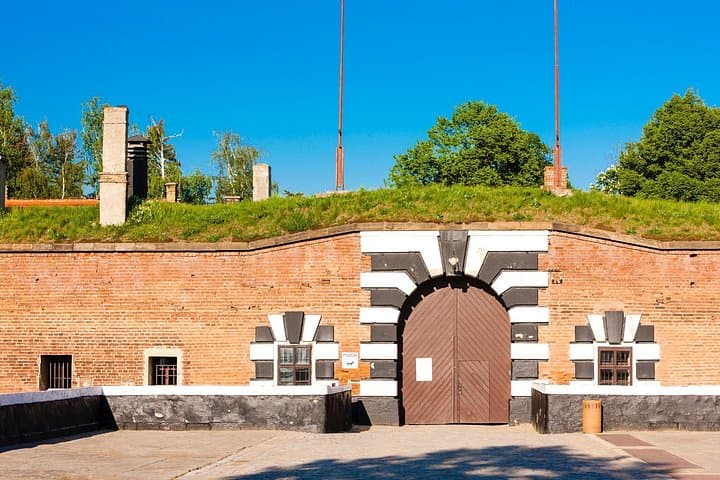
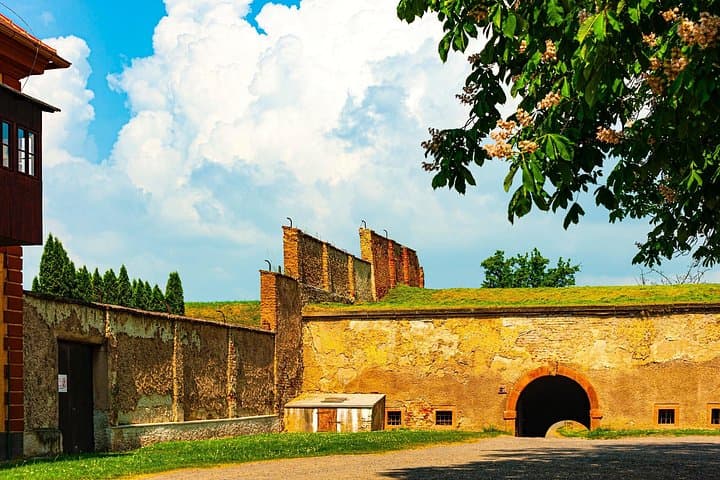
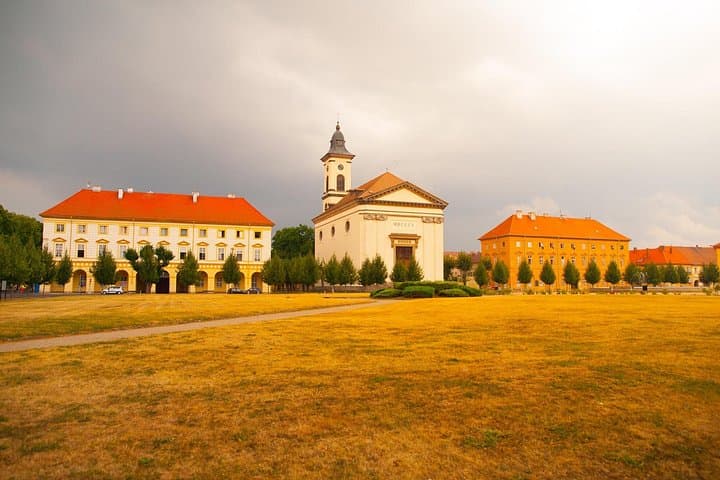

A low, brick wind presses against the fortress walls as the van eases into Terezín’s broad square — the town’s geometry still reads like military logic. Visitors step from an air‑conditioned car onto cobbled streets that lead immediately to stone ramparts and the Small Fortress, where narrow cells and dim corridors keep the past close and unyielding.
A low, brick wind presses against the fortress walls as the van eases into Terezín’s broad square — the town’s geometry still reads like military logic. Visitors step from an air‑conditioned car onto cobbled streets that lead immediately to stone ramparts and the Small Fortress, where narrow cells and dim corridors keep the past close and unyielding.
Built in the late 18th century as a Habsburg fortress, Terezín (Theresienstadt) was repurposed by the Nazis during World War II as a ghetto and a Gestapo prison. The site combines austere military architecture — glacis, bastions and tunnels — with later layers of human history: propaganda films, cultural life forced into confinement, and museum displays that trace individual stories. Geologically the area sits on low rolling plains and river terraces, so expect flat walking with cobbles and a few stairs rather than steep climbs.
Culturally, the town is quieter than Prague; local guides emphasize testimony and preservation. Outside the museum spaces, the Ohře river and surrounding farmland give the place a measured pace, the breeze along the river daring visitors to pause.
Practical guidance: the private tour includes round‑trip transportation from central Prague and a guided visit to the Small Fortress and the Jewish ghetto museum, with a lunch break. Wear comfortable walking shoes for cobbles and stairs, bring a water bottle and a weatherproof layer — rain can be sudden. Photography rules vary inside exhibits; follow guide directions. Be prepared for emotionally heavy content: the itinerary focuses on memorialization and individual histories, so allow extra time afterward for reflection or quiet return to Prague.