THE ADVENTURE COLLECTIVE® · Independent discovery and booking for outdoor travel

Spend six curated hours touring Napa and Sonoma in a private limousine — from castle-like Castello di Amorosa to the iconic Stags' Leap. This customizable service covers transport, bottled water, and curated stops; reservations and a credit-card hold are required.
Spend six curated hours touring Napa and Sonoma in a private limousine — from castle-like Castello di Amorosa to the iconic Stags' Leap. This customizable service covers transport, bottled water, and curated stops; reservations and a credit-card hold are required.
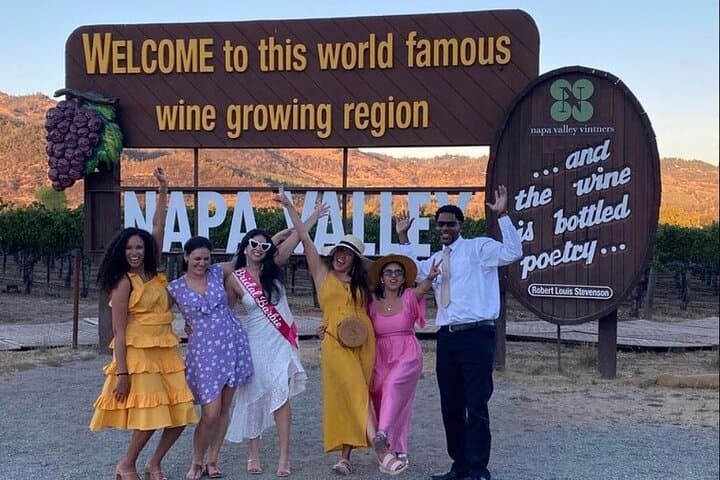
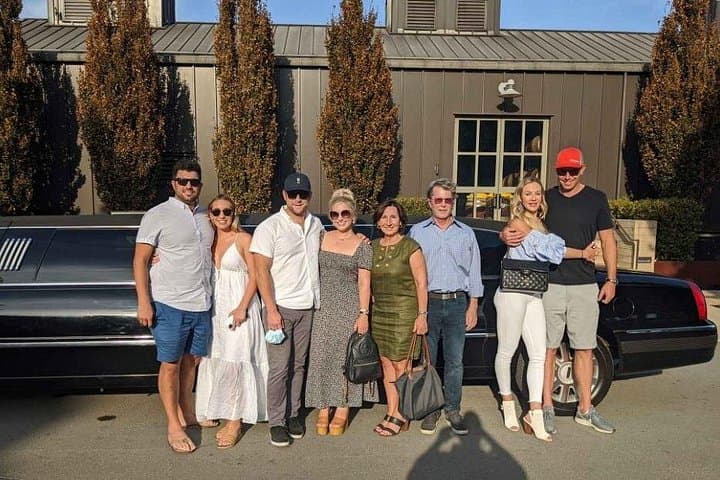
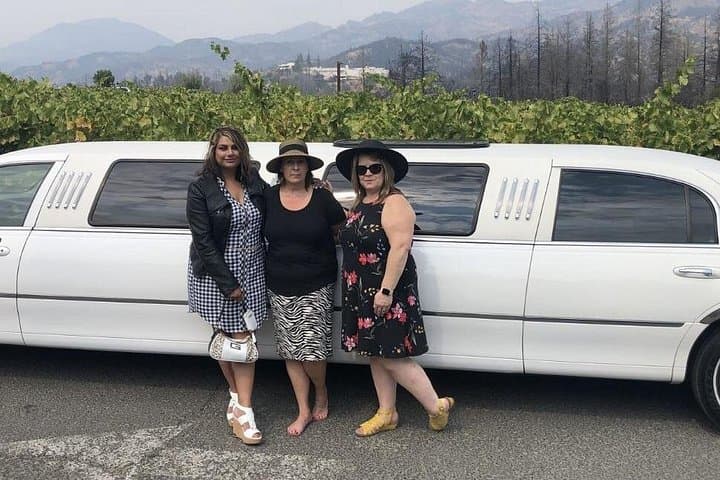
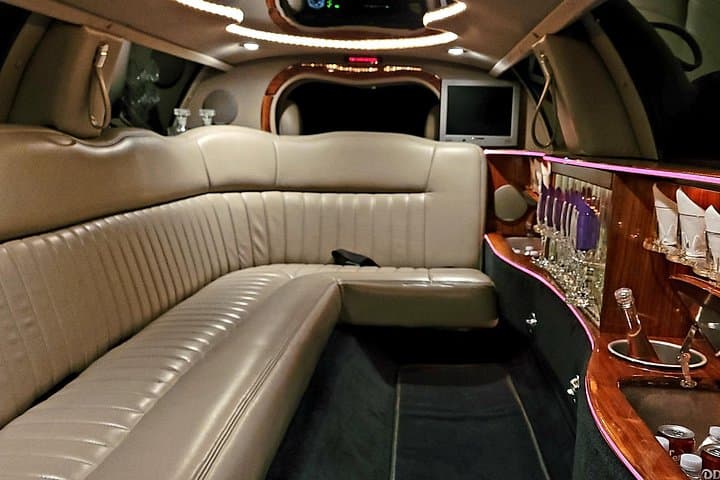
Morning light slips between rows of vines as a chauffeur eases a stretch limousine onto Silverado Trail — bottles and curiosity tucked inside the cabin, and the valley spreading out like a working map. Over six hours you move deliberately: medieval stone at Castello di Amorosa, the classical chateau terraces of Domaine Carneros, and the storied slopes of Stags' Leap where a 1976 tasting changed global wine history.
Verified experiences and guided adventures in the surrounding area.
Operated by Rodney B. · Napa, California
Morning light slips between rows of vines as a chauffeur eases a stretch limousine onto Silverado Trail — bottles and curiosity tucked inside the cabin, and the valley spreading out like a working map. Over six hours you move deliberately: medieval stone at Castello di Amorosa, the classical chateau terraces of Domaine Carneros, and the storied slopes of Stags' Leap where a 1976 tasting changed global wine history.
The region is defined by geology and microclimate: volcanic soils and alluvial deposits create pockets of heat and cool, while the Mayacamas and Vaca ranges funnel maritime fog that tempers summer highs. Napa and Sonoma grew from 19th-century vineyards and Gold Rush-era communities into tightly managed appellations—expect reservation-only tastings and estate-only pours at higher-profile houses.
Practically, this is a private, customizable service: the base time is six hours with options to extend; bottled water and soda are provided, and service animals are allowed. Bring reservation confirmations for each winery — many tasting rooms limit parties and require pre-booked slots. Dress smart-casual and layer; wind and fog can make midday cooler than town temps suggest. Plan for gratuity and a credit-card hold for incidentals; cancellation is typically full refund if made 24 hours in advance.
Timing matters: start mid-morning to avoid late-afternoon traffic and to secure cellar tours. Use the chauffeur to shuttle logistics so you can focus on tasting notes, vineyard views, and the slow calibration of an afternoon spent among vines.
easy.
6–8 hours.
Minimal physical exertion; able to board a vehicle and stand for tastings.
The standard service provides bottled water and soda; food is not included—many guests arrange lunch at a winery restaurant or bring snacks.
Yes — itineraries are customizable; the operator will review your selections for access and timing and can make reservations on your behalf.
Overtime may incur additional charges; a credit-card hold covers incidentals and extended time if agreed during the booking.
Children are permitted, but wineries vary on tasting policies and some estate tastings are 21+; check each winery’s age rules when booking.
Napa and Sonoma’s modern wine industry grew from 19th-century plantings and surged internationally after the 1976 Judgment of Paris, which elevated California wines on the world stage.
Many estates follow sustainable and organic practices to protect soil and water; wildfire risk and water management are ongoing conservation priorities in the region.
Rodney B. operates guided outdoor trips and adventures with an emphasis on safety, stewardship, and memorable experiences.
Morning light slips between rows of vines as a chauffeur eases a stretch limousine onto Silverado Trail — bottles and curiosity tucked inside the cabin, and the valley spreading out like a working map. Over six hours you move deliberately: medieval stone at Castello di Amorosa, the classical chateau terraces of Domaine Carneros, and the storied slopes of Stags' Leap where a 1976 tasting changed global wine history.
Morning light slips between rows of vines as a chauffeur eases a stretch limousine onto Silverado Trail — bottles and curiosity tucked inside the cabin, and the valley spreading out like a working map. Over six hours you move deliberately: medieval stone at Castello di Amorosa, the classical chateau terraces of Domaine Carneros, and the storied slopes of Stags' Leap where a 1976 tasting changed global wine history.
The region is defined by geology and microclimate: volcanic soils and alluvial deposits create pockets of heat and cool, while the Mayacamas and Vaca ranges funnel maritime fog that tempers summer highs. Napa and Sonoma grew from 19th-century vineyards and Gold Rush-era communities into tightly managed appellations—expect reservation-only tastings and estate-only pours at higher-profile houses.
Practically, this is a private, customizable service: the base time is six hours with options to extend; bottled water and soda are provided, and service animals are allowed. Bring reservation confirmations for each winery — many tasting rooms limit parties and require pre-booked slots. Dress smart-casual and layer; wind and fog can make midday cooler than town temps suggest. Plan for gratuity and a credit-card hold for incidentals; cancellation is typically full refund if made 24 hours in advance.
Timing matters: start mid-morning to avoid late-afternoon traffic and to secure cellar tours. Use the chauffeur to shuttle logistics so you can focus on tasting notes, vineyard views, and the slow calibration of an afternoon spent among vines.