THE ADVENTURE COLLECTIVE® · Independent discovery and booking for outdoor travel

Spend six immersive hours with a government-licensed English guide exploring Kyoto’s temples, markets, and historic districts. Customize your route to hit Kiyomizu-dera, Fushimi Inari, Nijo-jo and more while walking through centuries of living history.
Spend six immersive hours with a government-licensed English guide exploring Kyoto’s temples, markets, and historic districts. Customize your route to hit Kiyomizu-dera, Fushimi Inari, Nijo-jo and more while walking through centuries of living history.
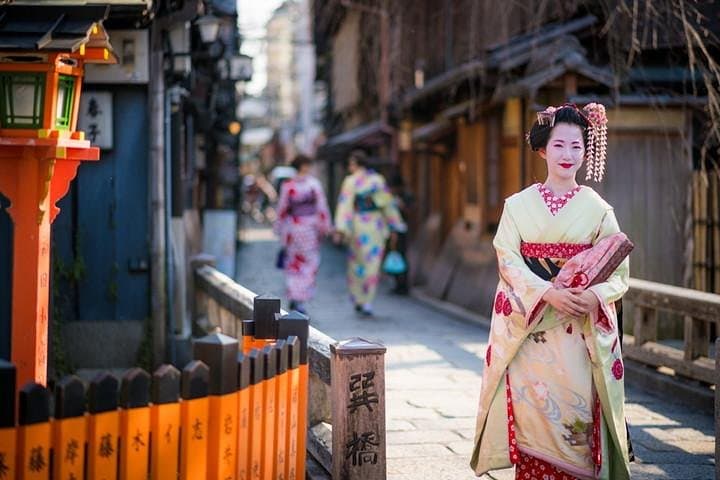
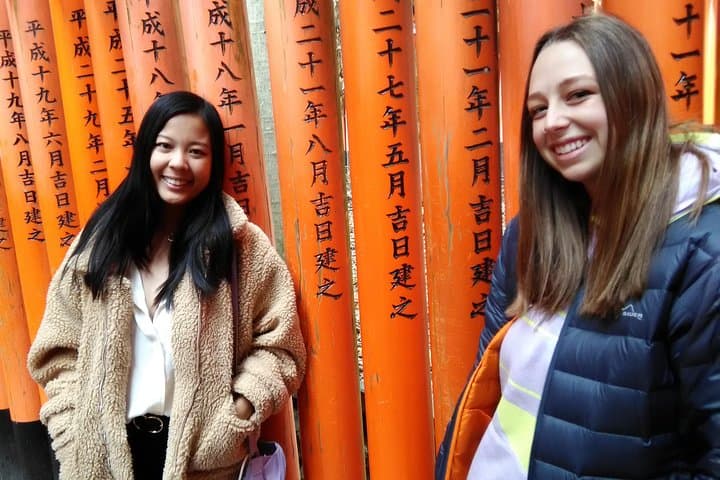
You step off a stone-paved lane as the city exhales centuries of history—wooden eaves, the low hum of bicycles, and the channel of the Kamo River nudging you downstream. For six hours an English-speaking, government-licensed guide becomes your map and narrator, moving you deliberately through Kyoto’s living archive: vermilion torii at Fushimi Inari, the broad veranda of Kiyomizu-dera, and the guarded courtyards of Nijo Castle.
Verified experiences and guided adventures in the surrounding area.
Operated by Japan Guide Agency · Kyoto, Kyoto Prefecture
You step off a stone-paved lane as the city exhales centuries of history—wooden eaves, the low hum of bicycles, and the channel of the Kamo River nudging you downstream. For six hours an English-speaking, government-licensed guide becomes your map and narrator, moving you deliberately through Kyoto’s living archive: vermilion torii at Fushimi Inari, the broad veranda of Kiyomizu-dera, and the guarded courtyards of Nijo Castle.
Kyoto was Japan’s imperial capital until 1868; its streets preserve Heian- and Edo-period architecture and garden craft. Geology here is gentle—low hills to the east and north form a wooded frame that channels seasonal weather into the city, feeding rivers and the moss gardens you'll encounter. Culture appears in small acts: a tea bowl lifted at a quiet machiya, merchants in Nishiki Market calling out seasonal fish, and the measured pace of a temple attendant.
This private, customizable tour lets you pick 3–4 stops from a long list of temples, shrines, markets, and historic districts, or rely on the guide’s curated route. Expect walking on cobblestones, short staircases at temple sites, and urban transit between distant neighborhoods. The guide meets you on foot within a designated area of central Kyoto; public transport options are nearby.
Practical tips: wear comfortable shoes and a light weather layer, carry water and cash for small vendors, and reserve at least two weeks in advance to secure a licensed guide. If weather forces change, the tour offers a full refund with 24-hour cancellation—so plan your route, but leave room to wander.
easy.
6 hours.
Suitable for most fitness levels; expect several hours of walking with short stair climbs at temples.
Yes—bookings let you select 3–4 spots from the guide’s list or ask the guide to recommend an itinerary based on your interests.
Many central Kyoto streets and several sites are wheelchair accessible; confirm specific site access with the guide when planning your route.
Reserve at least two weeks ahead to secure a government-licensed guide and preferred time slots, especially in peak seasons.
Full refund if canceled at least 24 hours before the scheduled start; tours may be canceled for severe weather with full refund.
Kyoto served as Japan’s imperial capital from 794 until 1868 and retains many preserved temples, castles, and garden styles developed across Heian, Muromachi and Edo periods.
High visitor volumes strain fragile temple gardens and narrow streets—stay on designated paths, avoid touching historic woodwork, and support local shops to keep cultural sites funded.
Japan Guide Agency operates guided outdoor trips and adventures with an emphasis on safety, stewardship, and memorable experiences.
You step off a stone-paved lane as the city exhales centuries of history—wooden eaves, the low hum of bicycles, and the channel of the Kamo River nudging you downstream. For six hours an English-speaking, government-licensed guide becomes your map and narrator, moving you deliberately through Kyoto’s living archive: vermilion torii at Fushimi Inari, the broad veranda of Kiyomizu-dera, and the guarded courtyards of Nijo Castle.
You step off a stone-paved lane as the city exhales centuries of history—wooden eaves, the low hum of bicycles, and the channel of the Kamo River nudging you downstream. For six hours an English-speaking, government-licensed guide becomes your map and narrator, moving you deliberately through Kyoto’s living archive: vermilion torii at Fushimi Inari, the broad veranda of Kiyomizu-dera, and the guarded courtyards of Nijo Castle.
Kyoto was Japan’s imperial capital until 1868; its streets preserve Heian- and Edo-period architecture and garden craft. Geology here is gentle—low hills to the east and north form a wooded frame that channels seasonal weather into the city, feeding rivers and the moss gardens you'll encounter. Culture appears in small acts: a tea bowl lifted at a quiet machiya, merchants in Nishiki Market calling out seasonal fish, and the measured pace of a temple attendant.
This private, customizable tour lets you pick 3–4 stops from a long list of temples, shrines, markets, and historic districts, or rely on the guide’s curated route. Expect walking on cobblestones, short staircases at temple sites, and urban transit between distant neighborhoods. The guide meets you on foot within a designated area of central Kyoto; public transport options are nearby.
Practical tips: wear comfortable shoes and a light weather layer, carry water and cash for small vendors, and reserve at least two weeks in advance to secure a licensed guide. If weather forces change, the tour offers a full refund with 24-hour cancellation—so plan your route, but leave room to wander.