THE ADVENTURE COLLECTIVE® · Independent discovery and booking for outdoor travel

Skip the subway and let a licensed English-speaking driver move you between Kyoto’s top sights on your schedule. This six-hour private vehicle rental lets you explore Kiyomizu-dera, Gion, Arashiyama and Fushimi Inari at your own pace—no guide required.
Skip the subway and let a licensed English-speaking driver move you between Kyoto’s top sights on your schedule. This six-hour private vehicle rental lets you explore Kiyomizu-dera, Gion, Arashiyama and Fushimi Inari at your own pace—no guide required.
A morning in Kyoto begins with the car door clicking shut and the city unfurling like a map of eras. Streets hum with delivery bikes and distant temple bells; through the window you watch tiled roofs and cedar groves pass by until the bamboo of Arashiyama leans in, rustling as if to point the way.
Verified experiences and guided adventures in the surrounding area.
Operated by Japan Guide Agency · Kyoto, Kyoto Prefecture
A morning in Kyoto begins with the car door clicking shut and the city unfurling like a map of eras. Streets hum with delivery bikes and distant temple bells; through the window you watch tiled roofs and cedar groves pass by until the bamboo of Arashiyama leans in, rustling as if to point the way.
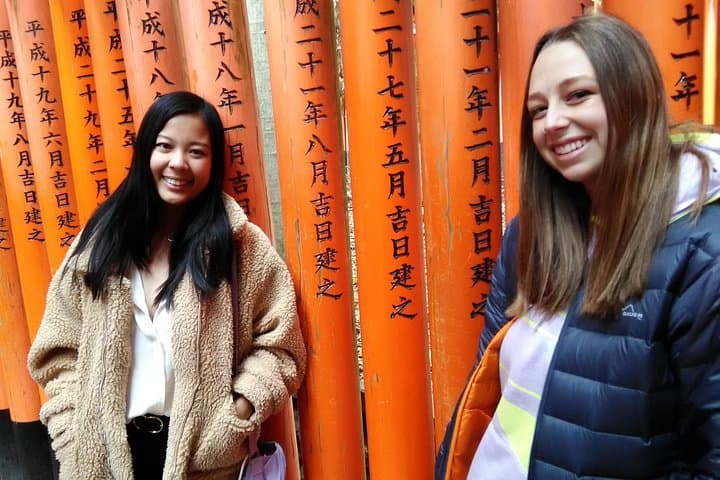
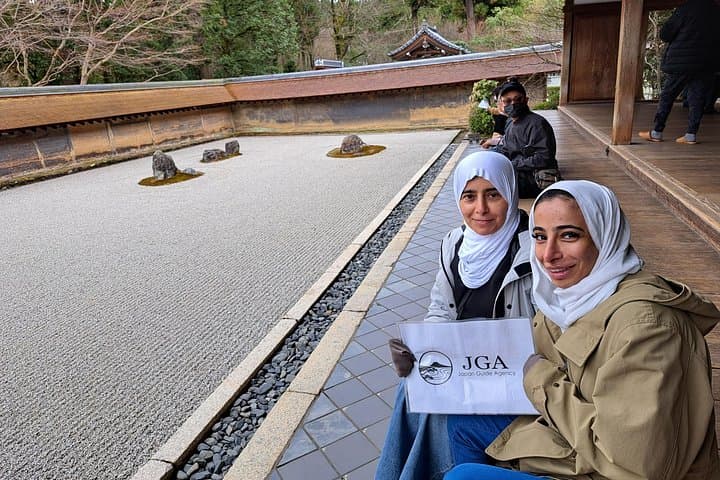
Kyoto’s streets overlay centuries: Heian-era palaces give way to Edo-period merchant lanes and modern tram lines. The city sits on an alluvial plain at the base of wooded hills, its temples built from local timber and stones quarried from nearby ranges. Cultural rhythms — tea houses in Gion, the vermilion sweep of Fushimi Inari’s torii, Zen gardens at Tenryū-ji — reflect religious and civic histories that shaped Japan’s capital for 1,000 years.
This six-hour private-driver option is practical: a licensed English-speaking driver handles parking and city logistics while you choose three or four stops to explore on foot. It’s not a guided tour, so plan where you want context or download an audio guide. Expect walking on uneven temple paths, short climbs at Kiyomizu-dera, and crowd navigation at popular sites.
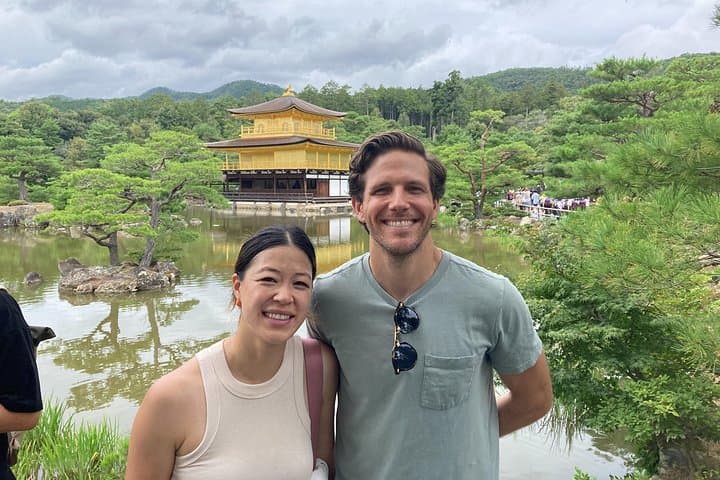
Timing matters: early starts beat the crowds at Kinkaku-ji and the Bamboo Grove; lunchtimes fill Gion’s restaurant strips. Carry a reusable water bottle, wear non-slip shoes, and leave large backpacks at your hotel if possible. Admissions are usually paid on-site and the driver will wait between stops. With a little planning, this vehicle-first approach turns Kyoto’s logistical friction into time spent wandering lanes, lingering at shrines, and moving through history at your own pace.
easy.
6 hours.
Mostly low exertion; expect short walks and stair climbs at temple sites—suitable for most fitness levels
No; this product includes an English-speaking driver only. If you want historical commentary or a licensed sightseeing guide, book a guided tour separately.
Yes; the driver will wait at each stop within the agreed schedule, allowing you to explore independently before moving to the next location.
Admissions and meals are not included—plan to pay on-site for temple entries, meals, and any optional activities.
The tour lists wheelchair and stroller accessibility for the vehicle, but car seat availability is limited—contact the operator ahead for specific needs.
Kyoto served as Japan’s imperial capital from 794 until 1868; many temples and neighborhood layouts reflect centuries of court and religious influence.
High visitor numbers strain small temple sites—stay on marked paths, avoid feeding wildlife, and support local conservation by respecting signage and waste rules.
Japan Guide Agency operates guided outdoor trips and adventures with an emphasis on safety, stewardship, and memorable experiences.
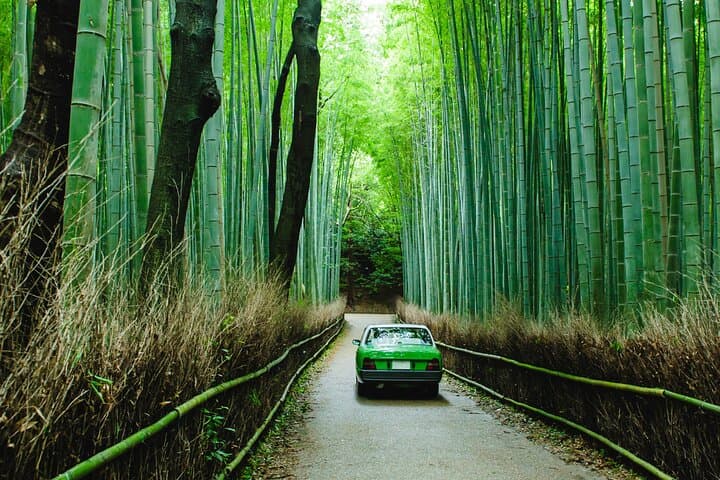
A morning in Kyoto begins with the car door clicking shut and the city unfurling like a map of eras. Streets hum with delivery bikes and distant temple bells; through the window you watch tiled roofs and cedar groves pass by until the bamboo of Arashiyama leans in, rustling as if to point the way.
A morning in Kyoto begins with the car door clicking shut and the city unfurling like a map of eras. Streets hum with delivery bikes and distant temple bells; through the window you watch tiled roofs and cedar groves pass by until the bamboo of Arashiyama leans in, rustling as if to point the way.
Kyoto’s streets overlay centuries: Heian-era palaces give way to Edo-period merchant lanes and modern tram lines. The city sits on an alluvial plain at the base of wooded hills, its temples built from local timber and stones quarried from nearby ranges. Cultural rhythms — tea houses in Gion, the vermilion sweep of Fushimi Inari’s torii, Zen gardens at Tenryū-ji — reflect religious and civic histories that shaped Japan’s capital for 1,000 years.
This six-hour private-driver option is practical: a licensed English-speaking driver handles parking and city logistics while you choose three or four stops to explore on foot. It’s not a guided tour, so plan where you want context or download an audio guide. Expect walking on uneven temple paths, short climbs at Kiyomizu-dera, and crowd navigation at popular sites.
Timing matters: early starts beat the crowds at Kinkaku-ji and the Bamboo Grove; lunchtimes fill Gion’s restaurant strips. Carry a reusable water bottle, wear non-slip shoes, and leave large backpacks at your hotel if possible. Admissions are usually paid on-site and the driver will wait between stops. With a little planning, this vehicle-first approach turns Kyoto’s logistical friction into time spent wandering lanes, lingering at shrines, and moving through history at your own pace.